Artemis II Mission: Astronauts to Face Planned Communication Blackout During Lunar Flyby
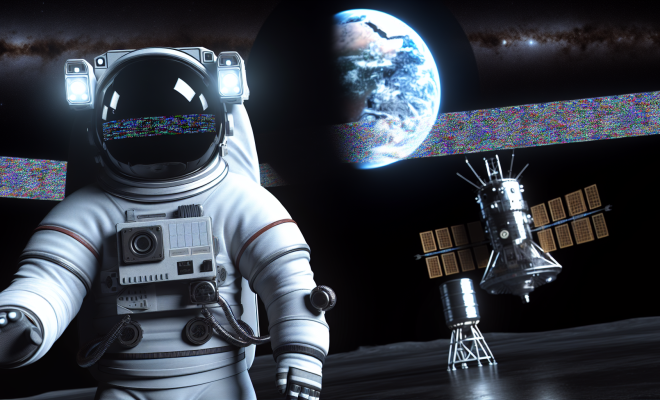
The Artemis II mission, a significant milestone in NASA’s goal to return humans to the Moon, is set to experience a brief but critical communication blackout as the spacecraft navigates the lunar environment. Scheduled for April 6, 2026, at approximately 4:17 AM IST, the crew aboard Artemis II will find themselves out of contact with mission control for a planned 40 minutes.
The Nature of the Blackout
This communication blackout is not an unexpected incident but rather a standard procedure during the mission’s flyby of the Moon. As the spacecraft travels behind the far side of the lunar surface, the Moon will obstruct all radio and laser signals that facilitate communication between the crew and mission control in Houston. During this period, the astronauts will be unable to receive instructions or updates from the ground, a situation that is crucial for understanding the challenges of deep space exploration.
Why Communication Blackouts Occur
Communication blackouts can occur for several reasons, particularly during space missions involving celestial bodies such as the Moon. The primary reason for this 40-minute blackout during Artemis II is the Moon’s physical obstruction. The following points highlight the significance and implications of such blackouts:
- Geometric Limitations: The Moon’s position creates a natural barrier for radio waves and other forms of communication, making it impossible for signals to reach Earth.
- Safety Protocols: The mission profile anticipates and prepares for these gaps in communication, allowing the crew to function autonomously during this time.
- Historical Precedent: Similar blackouts have been experienced during past lunar missions, making them a well-understood aspect of space travel.
Preparedness of the Artemis II Crew
During the blackout period, the Artemis II astronauts will rely on their extensive training and preparation. The crew, consisting of four astronauts, has been trained to handle various scenarios, including communication failures. They will be equipped with the necessary protocols to ensure their safety and mission success while out of contact with Earth.
Mission Objectives and Responsibilities
The Artemis II mission aims to demonstrate NASA’s capabilities for crewed deep space exploration. The astronauts’ responsibilities during the blackout will include:
- Monitoring Systems: Astronauts will continuously check spacecraft systems, ensuring all operations are running smoothly.
- Conducting Experiments: The crew may engage in scientific experiments or observations that do not require direct communication with mission control.
- Autonomous Decision-Making: In the absence of real-time instructions, astronauts will need to rely on their training to make decisions regarding the spacecraft’s operations.
The Importance of Artemis II
The Artemis II mission is more than just a lunar flyby; it is an essential step towards returning humans to the Moon and eventually exploring Mars. This mission will pave the way for Artemis III, which aims to land astronauts on the lunar surface by 2025. The Artemis program is designed to establish a sustainable human presence on the Moon by the end of the decade, allowing for ongoing scientific research and technology development.
The Broader Context of Space Exploration
As humanity pushes the boundaries of space exploration, missions like Artemis II become increasingly crucial. They provide insights into the challenges of long-duration spaceflight and the complexities of operating beyond Earth’s immediate environment. The planned blackout during this mission underscores the need for astronauts to be self-sufficient and capable of handling unexpected situations.
Future Implications
Looking ahead, the experiences gained from Artemis II and the handling of communication blackouts will inform future missions to Mars and beyond. Understanding how to operate independently during periods of communication loss will be vital as humankind sets its sights on the Red Planet.
In conclusion, while the 40-minute communication blackout during the Artemis II mission may seem daunting, it is a calculated aspect of the mission that allows astronauts to conduct their work autonomously. As NASA continues its preparations for this landmark journey, it is essential to appreciate the complexities involved in lunar exploration and the critical role that communication plays in the safety and success of space missions.