The Tech Edvocate

Top Menu

  • Advertisement
  • Apps
  • Home Page
  • Home Page Five (No Sidebar)
  • Home Page Four
  • Home Page Three
  • Home Page Two
  • Home Tech2
  • Icons [No Sidebar]
  • Left Sidbear Page
  • Lynch Educational Consulting
  • My Account
  • My Speaking Page
  • Newsletter Sign Up Confirmation
  • Newsletter Unsubscription
  • Our Brands
  • Page Example
  • Privacy Policy
  • Protected Content
  • Register
  • Request a Product Review
  • Shop
  • Shortcodes Examples
  • Signup
  • Start Here
    • Governance
    • Careers
    • Contact Us
  • Terms and Conditions
  • The Edvocate
  • The Tech Edvocate Product Guide
  • Topics
  • Write For Us
  • Advertise

Main Menu

  • Start Here
    • Our Brands
    • Governance
      • Lynch Educational Consulting, LLC.
      • Dr. Lynch’s Personal Website
      • Careers
    • Write For Us
    • The Tech Edvocate Product Guide
    • Contact Us
    • Books
    • Edupedia
    • Post a Job
    • The Edvocate Podcast
    • Terms and Conditions
    • Privacy Policy
  • Topics
    • Assistive Technology
    • Child Development Tech
    • Early Childhood & K-12 EdTech
    • EdTech Futures
    • EdTech News
    • EdTech Policy & Reform
    • EdTech Startups & Businesses
    • Higher Education EdTech
    • Online Learning & eLearning
    • Parent & Family Tech
    • Personalized Learning
    • Product Reviews
  • Advertise
  • Tech Edvocate Awards
  • The Edvocate
  • Pedagogue
  • School Ratings

logo

The Tech Edvocate

  • Start Here
    • Our Brands
    • Governance
      • Lynch Educational Consulting, LLC.
      • Dr. Lynch’s Personal Website
        • My Speaking Page
      • Careers
    • Write For Us
    • The Tech Edvocate Product Guide
    • Contact Us
    • Books
    • Edupedia
    • Post a Job
    • The Edvocate Podcast
    • Terms and Conditions
    • Privacy Policy
  • Topics
    • Assistive Technology
    • Child Development Tech
    • Early Childhood & K-12 EdTech
    • EdTech Futures
    • EdTech News
    • EdTech Policy & Reform
    • EdTech Startups & Businesses
    • Higher Education EdTech
    • Online Learning & eLearning
    • Parent & Family Tech
    • Personalized Learning
    • Product Reviews
  • Advertise
  • Tech Edvocate Awards
  • The Edvocate
  • Pedagogue
  • School Ratings
  • The Hidden Cost of EVs: Why Your Battery Could Cost More Than Your Car in 2026

  • Jensen Huang’s Shock Exit: This Unbelievable Scandal Just Rocked Nvidia and the AI World

  • Big Walk developer House House Confirms ‘Sparing’ Use of Gen AI – Press Start

  • Baffling: How a Cyber Breach at South Korea’s Top Security Watchdog Exposed Millions

  • Wenn Ordnung den Bildschirm beruhigt: Warum klare Abläufe Casino-Unterhaltung einladender machen

  • Reddit AI Reviews: The Quiet Reshaping of Online Opinion

  • The Chilling Truth: Iran Cyberattacks Europe’s Food and Blood Supplies

  • Anthropic’s $3.4 Billion Bet on Gas: The Unseen Cost of AI’s Future

  • Tribit FlyBuds C3 Earbuds: Premium Features at a Budget-Friendly Price

  • Is AuraCam Pro’s Emotional AI a Privacy Nightmare or Security Breakthrough?

Tech News
Home›Tech News›Jerome Powell: Data Centers Fueling Inflation & Higher Energy Bills

Jerome Powell: Data Centers Fueling Inflation & Higher Energy Bills

By Matthew Lynch
March 20, 2026
0
Spread the love

In a recent address, Federal Reserve Chair Jerome Powell underscored the significant role that data centers are playing in escalating consumer bills and contributing to the upward pressure on inflation. His remarks shine a spotlight on how the growing demand for artificial intelligence (AI) and increased computing power are influencing energy costs and broader economic trends.

Data Centers: The New Power Players in Inflation

Powell’s acknowledgment comes as the economy grapples with various inflationary pressures, particularly as the demand for data processing and AI technologies surges. With businesses and consumers alike increasingly reliant on digital services, data centers have become critical infrastructure, but they also carry substantial energy requirements.

According to Powell, the rapid expansion of data centers, driven by the AI boom, is one of the factors pushing inflation higher. “You’re right to blame data centers for making your bills more expensive,” he stated, emphasizing the direct link between the energy consumption of these facilities and increased costs for consumers.

The Energy Demand Dilemma

Data centers require significant amounts of electricity to operate, not only for running servers but also for cooling systems that prevent overheating. As the demand for cloud computing and data processing grows, so does the energy consumption of these centers. This increase in demand can lead to higher electricity prices, which, in turn, impacts consumer bills.

  • Increased Demand: The proliferation of AI technologies and digital services has led to a surge in the number of data centers worldwide.
  • Energy Consumption: Data centers are estimated to consume about 1-2% of global electricity, a figure that is projected to rise.
  • Cost Implications: Higher energy prices are likely to be passed on to consumers, contributing to overall inflation.

Federal Reserve’s Ongoing Monitoring

Powell’s comments come amid the Federal Reserve’s concerted efforts to monitor various drivers of inflation as they prepare for potential economic scenarios in the coming years, particularly as they look ahead to 2026. The Fed is keenly aware that the factors contributing to inflation are multifaceted and often interlinked.

In recent months, the Fed has raised interest rates in an attempt to curb inflation, which has affected various sectors of the economy. However, the impact of energy costs—exacerbated by the data center phenomenon—adds a layer of complexity to their strategy.

Broader Implications for Consumers

The implications of Powell’s remarks are profound for consumers. As energy bills rise, households may face tighter budgets, which could influence spending patterns and economic growth. The interplay between rising costs from data centers and the overall economy reflects a broader trend of digital transformation, where technological advancements have both positive and negative economic ramifications.

For instance, while AI and cloud computing can enhance efficiency and drive productivity, the rising costs associated with their infrastructure can burden consumers and businesses alike. This paradox poses significant questions for policymakers aiming to strike a balance between fostering innovation and controlling inflation.

Looking Ahead: The Future of Data Centers and Inflation

As the reliance on digital services continues to grow, it is likely that the energy consumption of data centers will also increase. Industry experts predict that without significant advancements in energy efficiency or a shift toward renewable energy sources, the inflationary pressure associated with these facilities may persist.

Moreover, as the global economy becomes increasingly digital, the demand for data centers is expected to keep rising. Companies are investing heavily in infrastructure to support AI applications, which could further amplify the energy consumption challenges.

Possible Solutions

To mitigate the inflationary effects of data centers, several strategies could be employed:

  • Investing in Renewable Energy: Transitioning data centers to renewable energy sources can help alleviate some of the pressures associated with rising energy costs.
  • Enhancing Energy Efficiency: Implementing more energy-efficient technologies within data centers can reduce overall consumption and costs.
  • Policy Interventions: Encouraging policies that promote sustainable energy practices in the tech industry can help balance growth with environmental considerations.

As the Federal Reserve continues to navigate the complexities of inflation, Powell’s insights serve as a crucial reminder of the interconnectedness of technology, energy, and economic stability. Addressing the challenges posed by data centers will be essential in shaping a resilient economy that can adapt to the demands of the digital age.


Previous Article

US Stock Market Downturn 2026: Navigating Geopolitical ...

Next Article

National Debt Hits $38.9 Trillion: How It ...

Matthew Lynch

Related articles More from author

  • Tech News

    Fix Your iPad Not Charging: A Complete Troubleshooting Guide

    June 23, 2026
    By Matthew Lynch
  • Tech News

    Protect Your Child from ADHD: A Simple Habit for 2026

    June 28, 2026
    By Matthew Lynch
  • Tech News

    Master the Art of Fresh Juicing for Vibrant Health

    July 10, 2026
    By Matthew Lynch
  • Tech News

    Viator app vs website

    September 2, 2026
    By Matthew Lynch
  • Tech News

    3 Agentic AI Marketing Trends to Watch in 2028

    May 14, 2026
    By Matthew Lynch
  • Tech News

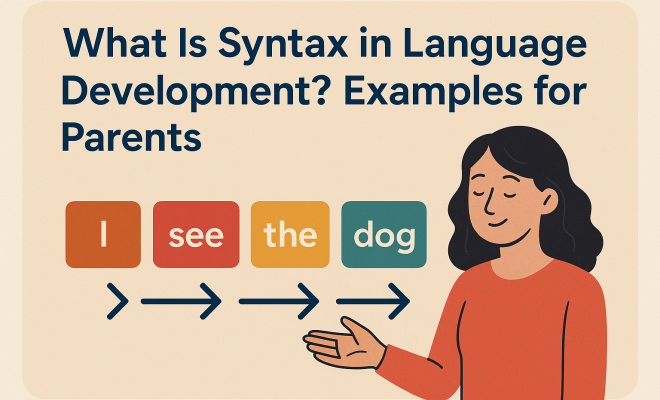
    What Is Syntax in Language Development? Examples for Parents

    July 5, 2026
    By Matthew Lynch

Search

Login & Registration

  • Log in
  • Entries feed
  • Comments feed
  • WordPress.org

Newsletter

Signup for The Tech Edvocate Newsletter and have the latest in EdTech news and opinion delivered to your email address!

About Us

Since technology is not going anywhere and does more good than harm, adapting is the best course of action. That is where The Tech Edvocate comes in. We plan to cover the PreK-12 and Higher Education EdTech sectors and provide our readers with the latest news and opinion on the subject. From time to time, I will invite other voices to weigh in on important issues in EdTech. We hope to provide a well-rounded, multi-faceted look at the past, present, the future of EdTech in the US and internationally.

We started this journey back in June 2016, and we plan to continue it for many more years to come. I hope that you will join us in this discussion of the past, present and future of EdTech and lend your own insight to the issues that are discussed.

Newsletter

Signup for The Tech Edvocate Newsletter and have the latest in EdTech news and opinion delivered to your email address!

Contact Us

The Tech Edvocate
910 Goddin Street
Richmond, VA 23231
(601) 630-5238
[email protected]

Copyright © 2026 Matthew Lynch. All rights reserved.