Parents’ Crucial Role in Education: 2026 Insights
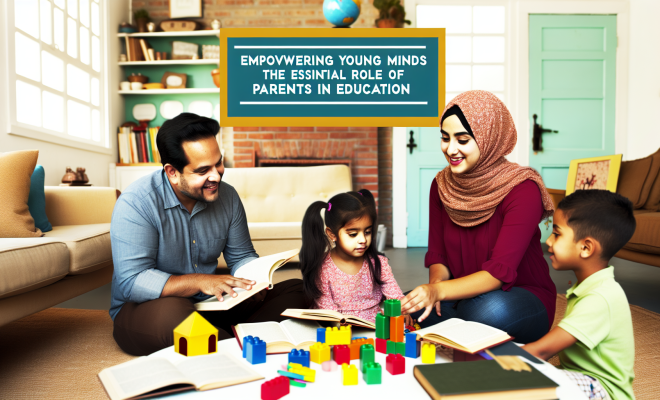
In the ever-evolving landscape of education, the role of parents has never been more crucial. As the foundation of a child’s learning journey, parents must take an active stance in their children’s education, extending beyond the confines of the classroom. Kiki Angelos, in her insightful opinion piece published on March 20, 2026, articulates this vital responsibility, urging parents to seize the initiative in shaping their children’s learning experiences.
The Power of Early Literacy
One of the fundamental ways parents can influence their child’s educational trajectory is by fostering a love for reading from an early age. Reading is not just a skill; it is a gateway to knowledge, critical thinking, and imagination. Angelos emphasizes that parents should introduce books to their children as soon as possible. This early engagement with literature lays the groundwork for literacy skills that are essential in both academic and personal development.
Building a Reading Routine
- Start With Storytime: Make reading a daily routine by dedicating time each day to read together. This not only enhances vocabulary but also strengthens the bond between parent and child.
- Encourage Library Visits: Regular trips to the library can ignite a child’s curiosity and provide access to a diverse range of books that cater to their interests.
- Engage in Discussions: After reading, discuss the story with your child. Ask questions about the characters, plot, and themes to develop their critical thinking and comprehension skills.
The Importance of Inquiry
Encouraging children to ask questions is another crucial aspect of their learning process. Angelos notes that fostering an environment where inquiry is welcomed not only deepens understanding but also cultivates a critical mindset. Parents should create a safe space for their children to express curiosity, which can lead to meaningful discussions and discoveries.
Questioning as a Learning Tool
- Model Curiosity: Show enthusiasm for learning by asking questions yourself. This sets an example for children and encourages them to explore the world around them.
- Encourage Open-Ended Questions: Teach your children to ask questions that cannot be answered with a simple ‘yes’ or ‘no.’ This promotes deeper thinking and engagement.
- Explore Answers Together: When your child asks a question, explore the answer together. This teaches them how to seek information and enhances their research skills.
Life Lessons Beyond the Classroom
Education is not confined to academic subjects; it encompasses life skills that shape character and values. According to Angelos, parents should take the opportunity to teach essential life lessons that will serve their children well into adulthood. These lessons include the importance of hard work, financial literacy, and the simple yet profound act of kindness.
Key Life Skills to Teach
- Hard Work: Instill a strong work ethic by involving children in household chores and responsibilities. This teaches them the value of effort and perseverance.
- Understanding Money: Educate your children about money management, savings, and the value of hard-earned cash. Simple activities like setting up a savings jar can make financial literacy fun and practical.
- Spreading Kindness: A smile can go a long way. Teach your children the impact of kindness and how small gestures can create a ripple effect in their community.
Conclusion: Take Charge of Your Child’s Education
In her compelling piece, Kiki Angelos highlights that the responsibility of educating children does not rest solely on schools. Parents must actively engage in their children’s learning and personal development. By prioritizing reading, encouraging questions, and imparting critical life lessons, parents can significantly influence their children’s growth and success.
As we navigate the complexities of parenting in the modern age, let us remember that our involvement is crucial. Education begins at home, and the efforts we make can lay a strong foundation for our children’s futures. Whether it’s through reading a bedtime story, discussing the day’s events, or simply sharing a smile, every moment counts in the journey of nurturing inquisitive, resilient, and kind individuals.