Foreign Policy Challenges Facing the New Administration
As Donald Trump prepares to return to the White House, he faces a complex global landscape that has evolved significantly since his first term. Several key foreign policy challenges will demand immediate attention from the new administration.
The ongoing conflict between Israel and Hamas remains a critical issue, with implications for broader Middle East stability. Trump’s approach to this conflict, including his choice of advisors like Massad Boulos, will be closely watched both domestically and internationally.
Relations with China continue to be a major focus. Trump’s previous tough stance on trade and technology transfer is likely to continue, potentially escalating tensions between the world’s two largest economies. The status of Taiwan and disputes in the South China Sea remain potential flashpoints.
The war in Ukraine, which has lasted for nearly three years, presents another significant challenge. Trump’s skepticism about U.S. involvement in the conflict during his campaign has raised questions about future American support for Ukraine against Russian aggression.
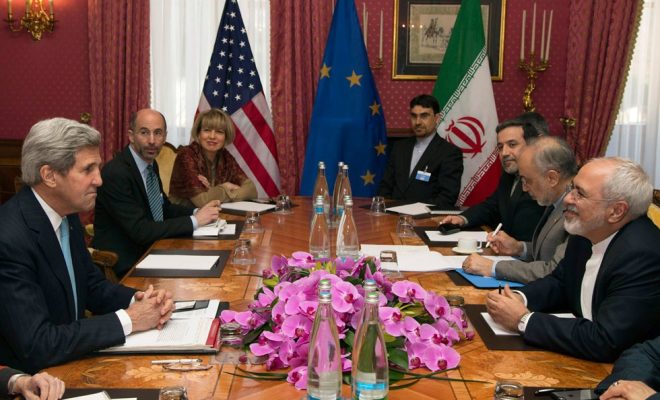
Nuclear proliferation concerns, particularly regarding Iran and North Korea, will require careful diplomacy. Trump’s previous withdrawal from the Iran nuclear deal and his unorthodox approach to North Korea will likely influence his strategy in these areas.
Climate change, despite Trump’s skepticism, remains a global concern. His anticipated withdrawal from international climate agreements could impact U.S. relations with allies, particularly in Europe.
As the administration formulates its foreign policy, it will need to navigate these complex issues while balancing domestic priorities and maintaining key international alliances. The world will be watching closely to see how Trump’s “America First” philosophy translates into concrete foreign policy actions in his second term.