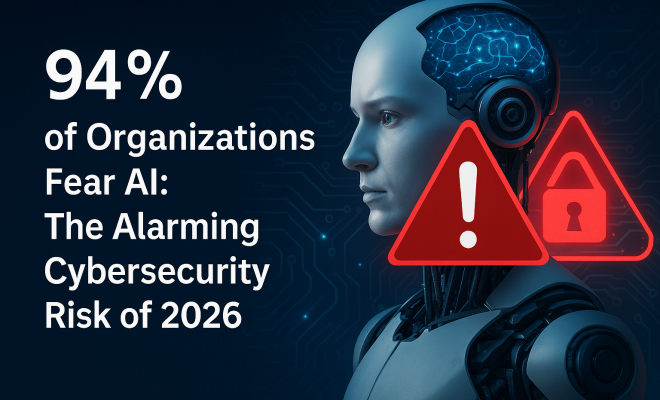
94% of Orgs Fear AI: Cybersecurity’s Alarming Risk for 2026
“`html
The landscape of cybersecurity is shifting dramatically, and recent statistics are turning heads in the tech community. A striking 94% of organizations have identified Artificial Intelligence (AI) as their main cybersecurity risk for 2026, according to a viral post by Cybexel Technologies. This revelation has ignited widespread discussion and concern, given that AI was once viewed as a formidable ally in combatting cyber threats. Now, it appears that the very technology designed to enhance security is being seen as a potential harbinger of peril. In this article, we’ll explore the implications of this finding, the nature of AI-generated threats, and what organizations can do to prepare for the challenges that lie ahead.
Understanding the Landscape: Why the Shift?
To comprehend the significance of this statistic, we must first understand the evolving nature of cyber threats. Traditionally, cybersecurity measures have focused on identifying and neutralizing human-driven attacks. However, with AI technologies advancing at breakneck speed, the cyber threat landscape is morphing into something far more sophisticated.
AI is no longer just a tool for enhancing security protocols; it’s now being utilized by malicious actors to create highly sophisticated attacks. Cybercriminals are leveraging AI to automate phishing schemes, generate deepfakes, and even orchestrate large-scale cyber assaults that can overwhelm existing defenses. These developments have contributed to a growing unease among security professionals, leading them to view AI as a primary risk rather than a solution.
The Rise of AI-Powered Threats
Some of the most concerning threats associated with the use of AI include:
- Deepfakes: These AI-generated videos and audio recordings can convincingly impersonate individuals, creating opportunities for fraud and misinformation.
- Automated Attacks: AI algorithms can launch coordinated attacks faster than human operators can respond, making traditional defenses obsolete.
- Data Poisoning: Attackers can manipulate the training data of machine learning systems, causing them to make inaccurate predictions or decisions.
These threats not only challenge security measures but also create a psychological burden for organizations that must now contend with a rapidly evolving threat landscape. The fear of falling victim to an AI-driven attack looms large, leading to a critical need for updated governance strategies.
Engagement and Response: The Social Media Impact
The post by Cybexel Technologies has garnered significant attention on platforms like Instagram and Twitter, sparking discussions among security professionals and raising awareness about the AI cybersecurity risk. Many industry experts responded with urgency, expressing their fear of missing out on effective governance strategies to counter these emerging threats.
This intense engagement reflects a growing alarm in the cybersecurity community. As organizations scramble to build ‘unhackable AI’ systems, experts are emphasizing the necessity of establishing robust governance frameworks. They argue that simply developing advanced AI systems is not enough; organizations must prioritize safety and oversight to mitigate risks.
Governance Over Innovation: A Shift in Focus
As organizations rush to integrate AI into their cybersecurity efforts, they must also recognize the pressing need for governance. The focus cannot solely be on creating new technologies; it must also include the mechanisms that guide their use. Effective governance strategies can help organizations:
- Identify Risks: A comprehensive risk assessment can help organizations understand potential vulnerabilities associated with AI.
- Establish Protocols: Clear policies can guide the responsible use of AI in cybersecurity, ensuring that systems are safeguarded against misuse.
- Encourage Transparency: Building trust in AI technologies requires transparency in algorithms and decision-making processes.
This shift toward governance emphasizes that not all AI implementation is beneficial. Organizations must be discerning about how they integrate AI into their cybersecurity strategies.
Real-World Examples: Learning from the Frontlines
Looking at real-world examples can provide insight into how organizations are tackling these challenges. Several high-profile incidents serve as cautionary tales: (See: AI cybersecurity risks in 2023.)
- Twitter’s Deepfake Crisis: In 2020, a well-crafted deepfake of a public figure circulated on social media, leading to widespread misinformation and confusion.
- AI-Powered Phishing Scams: Cybercriminals have increasingly adopted AI to create personalized phishing emails that can fool even the most cautious individuals.
- Automated Ransomware Attacks: AI systems have been employed to carry out ransomware attacks on a massive scale, compromising sensitive data in multinational corporations.
These examples highlight the urgent need for organizations to take proactive measures against AI-driven threats. By learning from these incidents, businesses can better understand how to fortify their defenses against emerging risks.
Building Resilience: Strategies for Organizations
Organizations must adopt a multifaceted approach to combat the AI cybersecurity risk. Here are some strategies to consider:
- Invest in Training: Providing ongoing education and training for employees can empower them to recognize and respond to AI-generated threats.
- Implement Multi-Factor Authentication: Strengthening access control measures can help protect sensitive information from unauthorized access.
- Regularly Update Security Protocols: Cybersecurity measures should be continually assessed and updated in response to new threats and vulnerabilities.
- Collaborate with Experts: Partnering with cybersecurity professionals can provide valuable insights and strategies for navigating the complexities of AI in security.
Taking these proactive steps can help organizations build resilience against AI-driven cyber threats and reduce vulnerability.
The Emotional Charge: Why This Topic Resonates
The emotional weight of the statistic that 94% of organizations see AI as their primary cybersecurity risk cannot be underestimated. The combination of fear and urgency propels this topic into the spotlight, where security professionals remember past failures that have resulted in significant breaches. Organizations are now more aware than ever that the very technologies meant to protect them can also be subverted.
This emotional charge has contributed to the viral nature of the conversation around AI cybersecurity risk. Professionals are not only concerned about the technology but also about the potential ramifications for their organizations, their data, and their reputations.
The Call to Action: What Needs to Change
As the landscape evolves, a call to action arises for organizations to take a stand against AI-related cybersecurity risks. It’s not enough to merely react; proactive measures are essential. Leaders in tech and security must:
- Advocate for Research: Investing in research on AI safety and governance can lead to the development of better frameworks to handle potential risks.
- Foster Collaboration: Encourage collaboration between tech companies, cybersecurity firms, and regulatory bodies to establish standards and best practices.
- Enhance Public Awareness: Raising awareness among the general public about AI risks can equip individuals to recognize potential threats.
The urgency of these actions cannot be overstated. As organizations grapple with the evolving nature of cyber threats, a collective effort is necessary to safeguard the future.
Looking Ahead: The Future of AI and Cybersecurity
The future of AI in cybersecurity is a double-edged sword. On one hand, the potential for AI to enhance security protocols remains immense, with innovations in threat detection and response on the horizon. On the other hand, the risks associated with AI misuse will only grow as technology becomes more accessible.
In the years to come, organizations will need to strike a balance between leveraging AI’s advantages while simultaneously addressing the AI cybersecurity risk. Establishing robust governance frameworks will be essential, as the technology continues to evolve and present new challenges.
Technological Innovations to Counter AI Cybersecurity Risks
As the threat landscape changes, new technological innovations are emerging to help counteract AI-related risks. Some promising advancements include:
- AI-Driven Defense Mechanisms: Just as cybercriminals utilize AI for their attacks, defenders are employing AI algorithms to detect anomalies and respond to threats in real-time. Machine learning models can analyze network traffic patterns and identify deviations from normal behavior, triggering alerts or automated responses.
- Blockchain Technology: The decentralized nature of blockchain offers a means of securing data integrity and authenticity. By using blockchain, organizations can create tamper-proof logs of transactions, making it harder for cybercriminals to manipulate data.
- Behavioral Biometrics: This technology monitors user behavior patterns to authenticate identities continuously. By assessing factors such as typing rhythm and mouse movements, organizations can enhance access security and detect fraudulent activity.
These innovations represent just a slice of the technological landscape aimed at mitigating AI cybersecurity risk. As organizations adopt these technologies, they can build stronger defenses against evolving threats.
AI in Governance: The Role of Oversight in AI Systems
As organizations incorporate AI into their cybersecurity frameworks, the need for oversight becomes paramount. Establishing governance for AI involves creating guidelines and standards that ensure these systems operate within safe parameters. (See: CDC cybersecurity resources.)
Effective oversight can include:
- Ethical Guidelines: Defining ethical standards for AI use in cybersecurity helps maintain the integrity of systems and protect user data. This includes ensuring that AI systems do not perpetuate bias and are transparent in their decision-making processes.
- Compliance Protocols: Adhering to legal and regulatory requirements can help organizations navigate the complexities of AI governance. Compliance frameworks ensure that organizations meet industry standards and protect both their operations and users.
- Continuous Monitoring: Regular audits and assessments of AI systems can help identify vulnerabilities and areas for improvement. Continuous monitoring ensures organizations remain vigilant against emerging threats.
Incorporating these elements into governance frameworks can help organizations mitigate risks associated with AI utilization.
Statistics and Trends: The Growing AI Cybersecurity Risk
Understanding the landscape requires an examination of current statistics and trends. According to recent research by Cybersecurity Ventures:
- By 2025, cybercrime is expected to cost the world $10.5 trillion annually, highlighting the urgent need for organizations to reassess their cybersecurity investments.
- AI-powered cyberattacks are projected to increase by 300% over the next five years, demonstrating the escalating threat posed by malicious use of AI.
- Over 60% of companies report having experienced at least one cyber incident related to AI, showcasing the pervasive nature of these threats.
These figures illustrate the importance of proactive measures and strategic governance to combat the AI cybersecurity risk.
Frequently Asked Questions (FAQ)
What is the primary risk of AI in cybersecurity?
The primary risk of AI in cybersecurity lies in its potential misuse by cybercriminals to automate attacks, create convincing deepfakes, and manipulate data. As organizations increasingly rely on AI for security, they must also defend against these sophisticated threats.
How can organizations prepare for AI-driven threats?
Organizations can prepare for AI-driven threats by investing in employee training, adopting stringent access controls, regularly updating security protocols, and collaborating with cybersecurity experts to stay informed about emerging risks.
What are some real-world examples of AI cybersecurity risks?
Real-world examples include deepfake incidents that spread misinformation, AI-generated phishing scams that mislead users, and automated ransomware attacks targeting sensitive corporate data.
Why is governance important in AI cybersecurity?
Governance is crucial because it establishes the frameworks and protocols necessary to ensure responsible AI use, mitigate risks, and protect against potential misuse. Strong governance helps organizations navigate the complexities of AI while safeguarding their operations.
What technological innovations can help combat AI cybersecurity risks?
Technological innovations such as AI-driven defense mechanisms, blockchain for data integrity, and behavioral biometrics can enhance security and help organizations defend against AI-related threats.
What is the expected future of AI in cybersecurity?
The future of AI in cybersecurity will likely involve a balance between leveraging AI’s capabilities to improve security and addressing the risks associated with its misuse. Establishing robust governance frameworks will be critical to navigating these challenges. (See: Nature article on AI threats.)
The Importance of Continuous Learning in Cybersecurity
With the rapid evolution of AI technologies, continuous learning and adaptation are essential for organizations. Cybersecurity professionals must stay informed about the latest threats, trends, and technological advancements. This can be achieved through:
- Regular Training Programs: Hosting frequent workshops and training sessions can help employees stay up to date on the latest cybersecurity practices, tools, and threats.
- Industry Conferences: Attending conferences and seminars allows professionals to network with peers, share knowledge, and gain insights into emerging trends and solutions in the field.
- Online Courses and Certifications: Many platforms offer online courses and certifications specifically focused on AI and cybersecurity, providing professionals with the skills they need to combat AI-related threats.
Fostering a culture of continuous learning will empower organizations to navigate the complexities of the ever-evolving cybersecurity landscape.
Case Studies: Success Stories in Managing AI Cybersecurity Risks
Examining case studies of organizations that have successfully managed AI cybersecurity risks can provide valuable insights. Here are a few success stories:
- Financial Institutions: Many banks and financial institutions have adopted AI-driven fraud detection systems that leverage machine learning algorithms to analyze transaction patterns and identify suspicious activities in real-time. By doing so, they’ve reduced fraud losses significantly while improving customer trust.
- Healthcare Organizations: Hospitals and healthcare providers have implemented AI solutions to secure patient data. By employing AI algorithms to monitor access and usage patterns, these organizations can detect and respond to anomalies that may indicate unauthorized access, ensuring patient confidentiality and compliance with regulations.
- Retail Companies: Retailers are using AI to protect consumer data during online transactions. By integrating AI-based authentication processes and machine learning models to assess transaction risks, they have successfully reduced the instances of account takeovers and payment fraud, enhancing customer security.
These case studies illustrate the importance of proactively managing AI cybersecurity risks and adapting successful strategies to fit various industries.
The Role of Government and Regulation in Cybersecurity
As the risks associated with AI in cybersecurity grow, the role of government and regulation becomes increasingly important. Policymakers must develop frameworks that encourage innovation while ensuring adequate protections are in place. Key aspects of this initiative include:
- Establishing Standards: Governments can work with industry leaders to establish cybersecurity standards that organizations should meet, promoting a baseline level of security across sectors.
- Creating Incentives for Best Practices: Providing incentives for organizations to adopt best practices in AI governance and cybersecurity can encourage compliance and bolster defenses against emerging threats.
- Facilitating Information Sharing: Governments can support initiatives that encourage information sharing between organizations and public agencies. This collaborative approach helps build a more robust defense against cyber threats.
By playing an active role in shaping cybersecurity policies, governments can help mitigate the risks associated with AI while promoting innovation.
Conclusion: Navigating the Future of AI Cybersecurity Risk
As we move toward 2026, organizations face a daunting challenge in navigating the evolving landscape of AI cybersecurity risks. The statistics and trends highlight the urgency for proactive measures, robust governance frameworks, and a commitment to continuous learning. Through collaboration and innovation, organizations can harness the power of AI while minimizing its associated risks. The journey ahead may be complex, but with a strategic approach, organizations can secure their futures in an increasingly digital world.
“`
Trending Now
Frequently Asked Questions
Why are organizations concerned about AI in cybersecurity?
Organizations are increasingly worried about AI in cybersecurity because 94% view it as a major risk for 2026. AI, once seen as a tool for enhancing security, is now being exploited by cybercriminals to execute sophisticated attacks, leading to heightened fears among security professionals.
What types of threats are associated with AI?
AI is linked to several alarming threats, including deepfakes, which can impersonate individuals convincingly, and automated attacks that can launch coordinated cyber assaults faster than human responses. These advancements in AI technology have transformed the threat landscape significantly.
How has the role of AI in cybersecurity changed?
The role of AI in cybersecurity has shifted from being a protective ally to a potential threat. While AI was initially used to bolster security measures, it is now being harnessed by cybercriminals to create sophisticated and automated attacks, raising concerns among organizations.
What can organizations do to prepare for AI-related cybersecurity risks?
Organizations can prepare for AI-related cybersecurity risks by investing in advanced security technologies, enhancing employee training on recognizing AI-generated threats, and developing robust response strategies to counter automated cyber attacks. Staying informed about evolving threats is crucial.
What is the significance of the statistic that 94% of organizations fear AI?
The statistic that 94% of organizations fear AI highlights a significant shift in the perception of technology in cybersecurity. It underscores the urgent need for organizations to reassess their security strategies and address the emerging risks posed by AI-driven threats.
Have you experienced this yourself? We’d love to hear your story in the comments.