9 Anti-Aging Foods That Transform Your Blood Markers
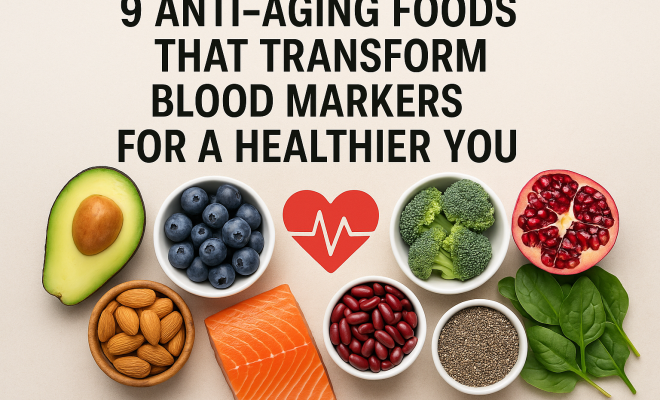
“`html
The quest for longevity and vibrant health has left many people searching for effective strategies. Among these, the discovery of anti-aging foods that can quickly alter blood markers holds great promise. Recent research has identified specific foods that not only contribute to better health but also lead to measurable improvements in blood parameters. By focusing on what to eat, you can pave the way for a youthful, energetic life.
1. The Role of Blood Markers in Aging
When it comes to aging, blood markers are invaluable indicators of your overall wellness. They can provide insight into how well your body is functioning and how effectively it can combat aging. Key markers like triglycerides, fasting glucose, LDL cholesterol (LDL-C), and C-reactive protein (CRP) can shift in response to dietary changes. For instance, elevated triglycerides and LDL-C are often linked to increased risks of cardiovascular diseases, while high CRP can signal inflammation.
Understanding how these markers change can guide your dietary choices. For example, as you incorporate anti-aging foods into your meals, you may notice improvements in these markers relatively quickly, particularly if you focus on reducing refined carbs and increasing soluble fiber.
2. Fast-Tracking Health: The First Changes to Expect
So, what can you expect when you start incorporating anti-aging foods? Generally, the most rapid changes occur within the first few weeks of dietary adjustments. Triglycerides, for example, can show improvement in as little as 2 to 4 weeks, while LDL-C often requires a longer commitment, typically around 6 to 12 weeks. This data provides hope; it means that if you’re looking for quick wins in your health journey, you may find them sooner than you think.
By focusing on the right foods, you can jumpstart these changes. Reducing your intake of refined carbohydrates, for instance, has been shown to lead to a rapid decrease in triglyceride levels. Transitioning to healthier fats can also yield positive results, ultimately allowing you to experience the benefits of anti-aging foods sooner.
3. Understanding the Power of Soluble Fiber
One of the dietary strategies that can lead to quick improvements in blood markers is increasing the intake of soluble fiber. Foods rich in soluble fiber, such as oats, beans, and lentils, help to lower cholesterol levels and stabilize blood sugar. By incorporating these foods, you’re not just nourishing your body; you’re also actively working to improve your blood markers.
Soluble fiber works by binding to cholesterol in the digestive system, which helps to remove it from the body. This function not only aids in reducing LDL-C but also supports gut health, which is increasingly recognized for its role in overall wellness. As you increase your soluble fiber intake, you’ll likely see significant health benefits in a matter of weeks.
4. Oats: A Breakfast Champion
Oats are a staple in many diets and for good reason. They’re packed with soluble fiber, specifically beta-glucan, which has been shown to effectively lower cholesterol levels. Regular consumption of oats can lead to measurable improvements in blood markers related to heart health.
Start your day with a bowl of oatmeal topped with fresh fruits or nuts for added nutrients. This simple yet powerful breakfast choice can set the tone for your day, providing you with the energy you need while also working toward your long-term health goals. Plus, oats are incredibly versatile; you can incorporate them into smoothies, baked goods, or even savory dishes.
5. Beans and Lentils: The Superfoods of the Plant Kingdom
Beans and lentils are often overlooked but are exceptional anti-aging foods that pack a nutritional punch. They’re not only high in protein but also rich in soluble fiber, which contributes to lowering cholesterol levels and improving blood sugar regulation. Regularly including these legumes in your meals can help shift your blood markers in a positive direction.
Consider adding beans to salads, soups, or stews, and opt for lentils in curries or as a meat substitute in various dishes. The flexibility of these legumes means you can easily find a way to incorporate them into your diet without feeling bored or limited.
6. Berries: Tiny Powerhouses of Nutrients
Berries, such as blueberries, strawberries, and raspberries, are not only delicious but also loaded with antioxidants. These antioxidants are crucial for fighting oxidative stress, a contributor to aging and chronic disease. The compounds found in berries can also help to lower inflammation levels, which is reflected in blood markers like CRP. (See: The role of blood markers in aging.)
Incorporating a variety of berries into your diet can be both easy and enjoyable. Toss them into your morning yogurt, blend them into smoothies, or simply enjoy them as a snack. Their antioxidant properties will not only benefit your health but can also satisfy your sweet tooth without resorting to unhealthy options.
7. Nuts: Nature’s Healthy Fats
Nuts are a fantastic source of healthy fats, which are essential for overall health. They can help to lower LDL cholesterol levels and reduce inflammation. Foods such as walnuts, almonds, and pistachios are particularly beneficial for heart health and can contribute to improved blood markers.
Adding a handful of nuts to your daily routine can be an easy way to boost your nutrient intake. Whether you enjoy them as a snack, in salads, or as part of a trail mix, nuts can provide sustained energy while promoting healthy aging. Just remember to watch portion sizes, as they are calorie-dense.
8. Extra-Virgin Olive Oil: The Gold Standard of Fats
Another cornerstone of the Mediterranean diet, extra-virgin olive oil, is recognized for its heart-healthy benefits. This oil is rich in monounsaturated fats, which can help lower LDL cholesterol while preserving HDL (the good cholesterol) levels. Its anti-inflammatory properties can also lead to improvements in blood markers like CRP.
Switching to extra-virgin olive oil for cooking or as a dressing can be a simple yet powerful change. Try drizzling it over salads or using it to sauté vegetables. Its rich flavor can enhance dishes while providing health benefits that you can measure.
9. Oily Fish: A Source of Omega-3 Fatty Acids
Lastly, oily fish like salmon, mackerel, and sardines are packed with omega-3 fatty acids, which are crucial for heart health and reducing inflammation. These fish can help improve blood markers and contribute to overall longevity. They are particularly effective in lowering triglyceride levels, making them essential for anyone interested in anti-aging foods.
Incorporate oily fish into your diet a few times a week. Whether grilled, baked, or added to salads, these nutrient-dense options can significantly impact your health. Just be mindful of sourcing, opting for sustainably caught varieties when possible.
10. Fermented Foods: The Gut-Health Connection
Fermented foods like yogurt, sauerkraut, kimchi, and kefir are becoming increasingly popular, and for good reason. These foods are rich in probiotics, which promote a healthy gut microbiome. A balanced gut microbiome is essential for nutrient absorption and can influence inflammation levels, contributing to anti-aging effects through improved gut health.
Incorporating fermented foods into your diet can be as simple as adding a serving of yogurt to your breakfast or enjoying kimchi with your dinner. The benefits can be profound, enhancing digestion and potentially improving blood marker levels related to inflammation and insulin sensitivity.
11. Dark Chocolate: The Sweet Secret
Good news for chocolate lovers! Dark chocolate, in moderation, can be considered one of the anti-aging foods. It contains flavonoids that are known to improve heart health by lowering blood pressure and reducing cholesterol levels. The antioxidants in dark chocolate can also help reduce oxidative stress, potentially leading to better aging outcomes.
To reap the benefits, opt for dark chocolate with at least 70% cocoa content. Enjoy it as a treat on its own or add it to smoothies and snacks for a delicious, health-boosting option.
12. Whole Grains: The Backbone of Healthy Eating
Replacing refined grains with whole grains is another beneficial change you can make in your dietary habits. Whole grains like quinoa, brown rice, and barley provide essential nutrients and fiber that support heart health and help regulate blood sugar levels. Studies have shown that diets rich in whole grains are associated with lower cholesterol levels and reduced risk of heart disease.
Simple swaps can make a big difference. Choose brown rice instead of white, whole wheat bread over white bread, and include a variety of whole grains in your meals to maximize the benefits of these anti-aging foods. (See: Nutrition and health information from CDC.)
13. Expert Perspectives on Anti-Aging Foods
Nutritionists and health experts emphasize the importance of incorporating a variety of these anti-aging foods into your daily meals. For example, Dr. Robert Lustig, a pediatric endocrinologist and author, highlights the significance of reducing sugar intake and focusing on whole foods to combat aging effectively. He states, “The key to aging gracefully is not just the foods we eat but the overall lifestyle we lead.”
Similarly, Dr. Mark Hyman, a physician focused on functional medicine, champions the idea of eating a colorful plate filled with fruits and vegetables. “The more colorful your plate, the more antioxidants you’re getting,” he says, pointing out that a diet rich in colors can combat oxidative stress and inflammation.
14. Statistics on Aging and Diet
Aging is a global concern, and the statistics surrounding it are quite telling. According to the World Health Organization, the global population aged 60 years and older is expected to reach 2 billion by 2050. This demographic aging emphasizes the importance of adopting healthy diets to mitigate age-related diseases. Research indicates that a diet rich in fruits, vegetables, whole grains, and healthy fats can reduce the risk of chronic diseases by up to 30%.
Moreover, a study published in the Journal of Nutrition found that individuals consuming a diet high in antioxidants have a 25% lower risk of developing age-related illnesses compared to those with a low-antioxidant diet.
15. Creating Your Anti-Aging Meal Plan
Designing a meal plan focused on anti-aging foods doesn’t have to be complicated. Start by including a variety of the foods discussed above, ensuring that each meal contains a source of protein, healthy fats, and plenty of fruits and vegetables. Here’s a simple framework to get you started:
- Breakfast: Oatmeal topped with berries and a sprinkle of nuts.
- Lunch: A salad made with mixed greens, beans, and a drizzle of extra-virgin olive oil.
- Dinner: Grilled salmon served with quinoa and steamed vegetables.
- Snacks: A handful of nuts or a serving of yogurt with dark chocolate shavings.
16. Frequently Asked Questions about Anti-Aging Foods
What are anti-aging foods?
Anti-aging foods are nutrient-dense foods that help combat the effects of aging by improving health markers, lowering inflammation, and providing antioxidants.
How quickly can I see results from anti-aging foods?
Many people notice improvements in blood markers within 2 to 4 weeks after incorporating these foods into their diet.
Can I eat anti-aging foods if I have dietary restrictions?
Absolutely! There are plenty of plant-based, gluten-free, and lactose-free options available. Focus on fruits, vegetables, whole grains, nuts, and seeds to find suitable options for your dietary needs.
Are supplements necessary if I eat anti-aging foods?
While a diet rich in anti-aging foods can provide most of the nutrients you need, some people may benefit from supplements, especially if they have specific deficiencies. It’s best to consult with a healthcare professional before starting any new supplements.
Can anti-aging foods improve my skin health?
Yes, many anti-aging foods, particularly those rich in antioxidants, can improve skin health by combating oxidative stress and inflammation, which are both contributors to skin aging.
What are some easy ways to incorporate anti-aging foods into my diet?
Incorporating anti-aging foods into your diet can be seamless. Start by adding a serving of fruit to your breakfast, snacking on nuts during the day, or using beans in your salads. You can also try making smoothies with berries and leafy greens for a nutrient-packed meal.
Can anti-aging foods help with weight management?
Yes, many anti-aging foods are low in calories but high in fiber, which can keep you feeling fuller for longer. Foods like fruits, vegetables, and whole grains can help manage weight effectively while also providing essential nutrients for overall health. (See: Understanding cholesterol and its effects.)
How do anti-aging foods interact with medications?
Some anti-aging foods can interact with certain medications. For instance, vitamin K-rich foods like kale can affect blood thinners. It’s crucial to discuss your dietary changes with your healthcare provider, especially if you’re on medication.
17. The Science Behind Anti-Aging Foods
Research into the benefits of anti-aging foods is rapidly expanding, highlighting their role in health maintenance and disease prevention. For instance, a study conducted by the National Institutes of Health found that diets high in antioxidants—particularly those found in colorful fruits and vegetables—are associated with a reduced incidence of chronic diseases.
Additionally, the concept of “nutritional epigenetics” is gaining traction. It suggests that the nutrients we consume can influence gene expression without changing the DNA sequence. This means that eating the right foods may activate genes linked to longevity and health span.
For example, the Mediterranean diet, which emphasizes whole grains, lean proteins, healthy fats, and a variety of fruits and vegetables, has been linked to a lower risk of cardiovascular diseases and improved cognition as we age.
18. Comparative Analysis of Anti-Aging Diets
When it comes to anti-aging diets, there’s no one-size-fits-all approach, but some diets are particularly noted for their potential benefits. The Mediterranean diet, plant-based diets, and DASH (Dietary Approaches to Stop Hypertension) diet are all rich in anti-aging foods and emphasize the consumption of whole foods.
The Mediterranean diet is renowned for its emphasis on healthy fats, whole grains, fruits, and vegetables, while the DASH diet focuses on reduced sodium intake and increased potassium through fruits and veggies. Studies suggest that individuals adhering to these diets experience lower rates of chronic diseases and improved longevity.
In contrast, more restrictive diets, such as ketogenic or carnivore diets, may provide short-term weight loss benefits but don’t typically offer the broader range of nutrients necessary for long-term health. A diet that is diverse and rich in phytonutrients is typically considered the best approach for aging gracefully.
As you embark on this journey toward better health, remember that the changes you make don’t have to be overwhelming. By focusing on these anti-aging foods, you can create a diet that not only nurtures your body but also leads to measurable improvements in your blood markers. Regularly monitor your blood levels—especially HbA1c, which should be retested after about 90 days—to see just how much progress you’re making. Small adjustments can lead to significant changes, and it’s never too late to start prioritizing your health.
“`
Trending Now
Frequently Asked Questions
What are the best anti-aging foods?
Some of the best anti-aging foods include berries, leafy greens, nuts, fatty fish, and whole grains. These foods are rich in antioxidants, healthy fats, and fiber, which help improve blood markers and promote overall health.
How do anti-aging foods affect blood markers?
Anti-aging foods can significantly improve blood markers such as triglycerides, LDL cholesterol, and C-reactive protein. By incorporating these foods into your diet, you may see positive shifts in these markers, indicating better cardiovascular health and reduced inflammation.
How quickly can you see results from anti-aging foods?
You can expect to see changes in blood markers within a few weeks of incorporating anti-aging foods into your diet. For example, triglyceride levels may improve in as little as 2 to 4 weeks, while LDL cholesterol may take 6 to 12 weeks.
What blood markers are important for aging?
Key blood markers important for aging include triglycerides, fasting glucose, LDL cholesterol, and C-reactive protein. Monitoring these markers can provide insights into your overall health and how well your body is managing aging.
Can diet really impact aging?
Yes, diet plays a crucial role in aging. Consuming a diet rich in anti-aging foods can lead to measurable improvements in blood markers, enhance overall wellness, and potentially slow down the aging process.
What did we miss? Let us know in the comments and join the conversation.