7 CES 2026 TV Trends That Will Change Your Viewing Experience Forever
“`html
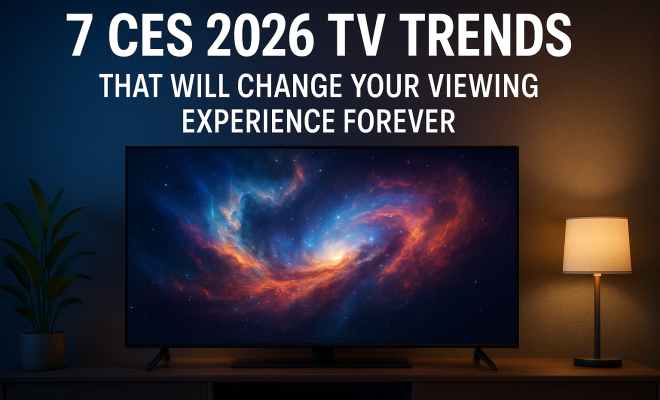
The tech world is buzzing with excitement as we approach CES 2026, the annual Consumer Electronics Show where innovation takes center stage. This year, the CES 2026 TV trends promise to redefine how we experience home entertainment. Major players like Samsung, LG, and Hisense are bringing their A-game, showcasing groundbreaking advancements that cater to diverse consumer needs. From the rise of RGB technology to fierce competition among flagship models, here are the key trends to watch out for at CES 2026.
1. The Rise of RGB TVs: A New Era in Display Technology
RGB TVs are set to become the must-have gadgets of 2026. Samsung and LG are particularly focused on promoting their latest ‘Micro RGB’ technology, which promises vibrant colors and stunning contrasts. This shift toward RGB signifies a departure from traditional OLED displays, tapping into the growing consumer demand for richer visuals and immersive viewing experiences.
The excitement surrounding RGB technology isn’t merely about enhanced visuals; it represents a broader trend towards personalization in home entertainment. RGB TVs allow for customizable lighting effects, enabling users to sync their screens with their mood or room atmosphere. Expect to see a plethora of colors and shades that can adapt in real-time to what’s happening on-screen, creating a more dynamic viewing experience.
Recent studies indicate that 72% of consumers are willing to invest in premium display technologies, illustrating the increasing desire for high-quality visuals in home environments. RGB technology is also expected to lead to a surge in gaming applications, with many top-tier games being optimized for these screens to showcase their colorful graphics. This trend could very well redefine the gaming landscape, making RGB TVs a staple in gaming setups.
2. Flagship Screens: Larger Is Better
Gone are the days when a 55-inch screen was considered the epitome of luxury; CES 2026 is showcasing a bold shift toward massive displays, with flagship models ranging from 85 to 100 inches. This trend indicates that consumers are increasingly looking to create immersive home theater experiences, reminiscent of commercial cinemas. Brands are responding to this demand with larger models that deliver unparalleled picture quality.
The push for larger screens is particularly noteworthy given that just a few years ago, such sizes were rare and expensive. Now, as manufacturing processes improve and technology advances, we can expect to see more affordable options for these colossal displays, making them accessible to a wider audience. The idea of having a theatrical experience at home is becoming a reality for many, enticing viewers to consider upgrading their old models.
In fact, sales data from the previous year suggests that televisions larger than 75 inches grew by over 45% in sales, signaling a shift in consumer purchasing patterns. As more households embrace larger screens, manufacturers are likely to invest further in enhancing picture quality and ensuring that even the smallest details are crystal clear. See also Samsung vs LG comparison.
3. The Frame Pro Faces Competition
Another exciting development in the CES 2026 TV trends is the growing competition that Samsung’s The Frame Pro is expected to face. Historically, The Frame series has dominated the market for decorative TVs that look like art pieces when not in use. However, with LG entering the fray with its own versions of artistic displays, the competition is heating up.
LG’s new offerings are designed to blend seamlessly into home decor, featuring advanced technology that rivals The Frame Pro. This tension between brands means that consumers will benefit from enhanced features, better aesthetics, and possibly more competitive pricing as companies strive to outdo each other. The battle for the best decorative television will push innovation, leading to more stylish and functional designs in the market.
Experts predict that by 2027, the market for TVs designed to double as art displays will grow to $3 billion, highlighting the enormous potential in this niche segment. With consumers increasingly investing in home decor, the push for televisions that can complement interior design will likely continue to gain traction.
4. Smaller But Mighty: The Demand for Compact TVs
While larger screens are stealing the spotlight, CES 2026 also reveals a compelling trend towards smaller televisions. Samsung’s introduction of 32-inch and 43-inch variants of The Frame caters to consumers who may not have the space for a gigantic screen but still want the premium viewing experience. This trend highlights a shift in consumer behavior, where quality is prioritized over size. (See: Overview of display technology.)
These compact models are becoming increasingly popular among urban dwellers and those with limited living space. They offer high-quality displays, smart features, and sleek designs, proving that you don’t need a huge screen to enjoy excellent picture quality. This dual trend of large and small TVs coexisting opens up more options for consumers, allowing them to choose a model that fits both their lifestyle and space requirements.
According to market analysts, compact TVs are expected to capture over 30% of the market share by 2026, as consumers continue to embrace versatility in their entertainment setups. Brands are innovating to ensure that even smaller models come equipped with state-of-the-art technology, ensuring no compromise on the viewing experience.
5. Exclusive Sizes: A Double-Edged Sword
The new Micro RGB series from LG will be exclusively available in 75, 85, and 100 inches, raising eyebrows among potential buyers. While these sizes cater to the increasing demand for larger screens, they also create a sense of urgency among consumers. The fear of missing out (FOMO) could drive individuals to upgrade sooner than they had planned, especially with the exclusive nature of these offerings.
This exclusivity can be a double-edged sword. On one hand, it generates excitement and anticipation, compelling consumers to make swift decisions. On the other hand, it risks alienating those who prefer smaller models or who can’t accommodate such massive screens in their homes. It remains to be seen how this will impact LG’s market share, especially with competitors like Samsung closely watching.
Interestingly, surveys reveal that around 65% of consumers express concern over the practicality of very large TVs, highlighting a divide in target demographics. As brands navigate this landscape, they may need to balance exclusivity with broader appeal to ensure all consumer needs are met.
6. Smart Features and Interconnectivity
As technology evolves, TVs are becoming more than just screens; they are now smart devices capable of interconnectivity and customization. At CES 2026, expect to see a range of smart features integrated into new models, allowing users to control their devices with voice commands, stream content effortlessly, and connect seamlessly with other smart home devices.
Imagine a TV that adjusts its settings based on the time of day or syncs with your smart lighting to create an immersive atmosphere for movie nights. This level of interactivity is part of a larger trend toward a fully integrated smart home ecosystem, where devices communicate with one another, enhancing user convenience and experience.
Research shows that over 80% of millennials consider smart features essential when purchasing a TV, driving manufacturers to innovate continually. Expect voice recognition technology to advance, allowing for more natural interactions, and AI-driven algorithms to recommend content based on viewing habits. This builds on Choosing between QLED and OLED.
7. Consumer Decision-Making: To Upgrade or Not?
With all these exciting advancements on the horizon, many consumers are facing a dilemma: Should they upgrade to the new RGB standard, or hold out for the next generation of OLEDs? The CES 2026 TV trends present a compelling case for upgrading, but many are weighing the pros and cons carefully.
Factors such as budget constraints, room size, and personal preferences play a significant role in decision-making. For some, the allure of RGB technology and massive screens may outweigh the comfort of familiar OLED technology. For others, waiting for the next iteration of OLEDs could provide better long-term value. As the show approaches, consumer sentiment will likely evolve, as potential buyers explore their options and consider the latest in home entertainment innovation.
To navigate these choices effectively, consumers can benefit from understanding their viewing habits and preferences. For example, gamers might prioritize quick refresh rates and vibrant colors, while film enthusiasts may seek out superior contrast and black levels that OLED offers. Surveys indicate that nearly 60% of consumers feel overwhelmed by the variety of options, suggesting a need for more consumer education on features and technologies.
8. What to Expect from Gaming Integration
As gaming continues to surge in popularity, the integration of gaming features into TVs is becoming a critical focus area for manufacturers. CES 2026 is set to showcase TVs that not only deliver stunning visuals but are also optimized for gaming performance. Expect features like low input lag, high refresh rates, and gaming modes designed to enhance gameplay experiences. (See: Latest trends from CES events.)
With the rise of cloud gaming services like Google Stadia and NVIDIA GeForce NOW, TVs are becoming the primary interface for gaming. As a result, brands are putting more emphasis on gaming-centric features in their TVs. For instance, HDMI 2.1 and VRR (Variable Refresh Rate) are expected to become standard offerings in higher-end models, catering to gamers who demand the best performance.
In fact, a recent report revealed that nearly 70% of gamers consider picture quality as the most important feature when selecting a gaming TV. This trend is driving brands to prioritize gaming compatibility in their designs, ensuring that consumers can enjoy a seamless gaming experience right from their living rooms.
9. Future of TV Technology: Sustainability and Eco-Friendly Designs
As sustainability becomes a crucial concern for consumers and manufacturers alike, CES 2026 is expected to showcase innovations focused on eco-friendly TV designs. Brands are increasingly committing to reducing their carbon footprint through the use of sustainable materials and energy-efficient technologies. For instance, some companies are exploring the use of recycled plastics in their products and packaging.
Beyond materials, energy-efficient models are being developed to consume less power without compromising performance. According to a recent study by the Consumer Technology Association, nearly 60% of consumers indicate that they would prefer to purchase environmentally friendly products, which is prompting brands to adopt sustainable practices.
Additionally, expect to see a rise in features that allow users to monitor and control their energy consumption more easily. Smart TVs might soon provide insights on how much energy they’re using and offer tips for reducing consumption, aligning with the increasing consumer demand for products that are not only high-tech but also sustainable.
10. The Impact of Streaming Services on TV Trends
As streaming services continue to reshape how viewers consume content, the impact on TV technology is profound. Companies are increasingly designing TVs with built-in streaming capabilities, allowing users to access platforms like Netflix, Hulu, and Disney+ directly without the need for external devices. CES 2026 is likely to feature models that prioritize streamlined interfaces for easier navigation across multiple streaming platforms.
One significant trend is the integration of advanced features that support the latest streaming standards. For example, many TVs will support HDR10+ and Dolby Vision, improving the viewing experience with enhanced color and contrast. Consumers are increasingly demanding TVs that can fully exploit the capabilities of their favorite streaming content.
Moreover, as the competition among streaming services intensifies, manufacturers are likely to collaborate more closely with these platforms to offer exclusive content or enhanced viewing experiences, further blurring the lines between TVs and streaming services. Research indicates that about 80% of consumers now subscribe to at least one streaming service, making it essential for TV manufacturers to keep this trend in mind during design and feature development.
11. FAQ: Your Questions About CES 2026 TV Trends Answered
What are the top trends to watch for at CES 2026?
The major trends include the rise of RGB TVs, larger flagship screens, competition among decorative TVs, the demand for compact models, and innovative smart features.
How will RGB technology change home viewing experiences?
RGB technology enhances color accuracy and contrast, providing more vibrant visuals. It allows for customizable lighting effects that create a more immersive experience, adapting in real-time to content. (See: Research on display technologies.)
Are larger TVs worth the investment?
For many consumers, larger TVs can provide a more immersive viewing experience, especially for movies and gaming. However, it depends on personal space and preferences. Evaluating your room size and viewing habits is essential before making a decision.
What does LG’s exclusive size strategy mean for consumers?
LG’s exclusive sizes primarily cater to consumers seeking large screens but may alienate those who prefer smaller models. It’s a strategy that could create urgency among buyers but might limit choices for some. We covered Optimal settings for LG 4K TVs in more detail.
How important are smart features in today’s TVs?
Smart features are increasingly vital for consumers, with many expecting interconnectivity and voice control. They enhance user experience and are a major selling point for newer models.
Is it better to upgrade to RGB technology or wait for OLED advancements?
This depends on your current TV’s age, features, and your personal viewing needs. RGB tech offers exciting advancements, but OLED still excels in contrast and black levels. Assessing your priorities is crucial.
How will sustainability affect the future of TV designs?
As consumers become more environmentally conscious, manufacturers are likely to adopt sustainable practices, such as using recycled materials and energy-efficient technologies in their designs.
What impact do streaming services have on TV technology?
Streaming services are prompting manufacturers to design TVs with built-in capabilities, support for high-quality streaming standards, and user-friendly interfaces to enhance the viewing experience.
As we gear up for CES 2026, the landscape of television technology is set for a thrilling evolution. From the rise of RGB displays to the fierce competition among flagship models, the trends this year promise to redefine our viewing experiences. Whether you’re a tech enthusiast or a casual viewer, there’s no denying that the future of television is bright and full of possibilities.
“`
Trending Now
Frequently Asked Questions
What are the main TV trends at CES 2026?
CES 2026 showcases several key trends, including the rise of RGB TVs with Micro RGB technology for vibrant colors, larger flagship screens, and advancements in personalized viewing experiences. Major brands like Samsung and LG are at the forefront of these innovations, promising to redefine home entertainment.
How will RGB technology change TV viewing?
RGB technology introduces customizable lighting effects and richer visuals, allowing users to sync their TVs with their mood or room atmosphere. This innovation enhances the viewing experience by providing dynamic colors that adapt in real-time, making it particularly appealing for gamers and movie enthusiasts.
Are larger TVs becoming more popular?
Yes, CES 2026 highlights a trend towards larger screens, with sizes exceeding 55 inches becoming the new standard. This shift indicates a growing consumer preference for immersive viewing experiences, making larger flagship models a focal point of home entertainment setups.
What impact will CES 2026 have on gaming?
CES 2026 is set to revolutionize gaming experiences through RGB TVs optimized for colorful graphics. These displays promise to enhance gameplay with vibrant visuals, making them a staple in gaming setups and appealing to both casual and hardcore gamers.
Why are consumers interested in premium display technologies?
Recent studies show that 72% of consumers are willing to invest in premium display technologies, driven by the desire for high-quality visuals and immersive experiences in home entertainment. The demand for richer, more dynamic viewing options is pushing innovation in the industry.
Have you experienced this yourself? We'd love to hear your story in the comments.