
3 Ways to Track a Pet with a Microchip
Introduction: Microchipping your pet is an excellent way to ensure their safety and well-being, should they ever go missing. In recent years, tracking pets using microchip technology has become increasingly popular and effective. In this article, we will discuss three ways to track your pet using a microchip.
1. Consult a Microchip Registry Database
Upon implanting a microchip in your pet, the veterinarian will typically register its unique identification number in a national database, such as HomeAgain or AVID. Should your pet go missing:
a. Contact the relevant registry database to report your lost pet.
b. Update any contact and location information that may have changed.
c. Actively monitor and respond to any reports of found animals that match your pet’s description.
By maintaining accurate and up-to-date information in the registry, you increase the chances of a speedy reunion with your lost pet.
2. Use a Microchip Scanner
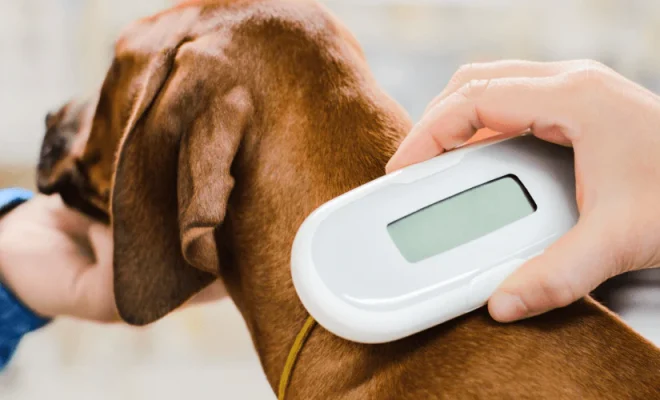
If someone finds your lost pet, they may take them to a veterinarian or an animal shelter where staff can scan for a microchip using a handheld scanner.
a. Call around to local veterinary clinics and animal shelters to inform them about your missing pet.
b. Provide these organizations with all necessary information, including the microchip number, description of the animal, and last known location.
c. Follow up regularly with these organizations and update them with any new information that may aid in locating your pet.
By coordinating with multiple organizations in your community, you expand the search area and increase the likelihood of finding your lost companion.
3. Utilize Community Lost Pet Resources
Many communities now offer online resources dedicated to helping reunite lost pets with their owners through social media groups or websites designed for this purpose.
a. Search for local social media groups related to lost pets in your area.
b. Post all relevant information about your missing pet, including the microchip number, photos, and a description of the area where it was last seen.
c. Monitor these groups closely for any sightings or reports of found animals matching your pet’s description.
By tapping into local community networks, you gain access to more eyes looking for your lost pet and can increase your chances of a heartwarming reunion.
Conclusion:
Tracking a pet with a microchip is an efficient and effective means of locating a lost animal. By utilizing microchip registry databases, collaborating with veterinarians and shelters, and engaging with community resources, you maximize the likelihood of reuniting with your missing companion. If you haven’t already, consider microchipping your pet as an extra layer of protection should they ever wander away from home.

