The Tech Edvocate

Top Menu

  • Advertisement
  • Apps
  • Home Page
  • Home Page Five (No Sidebar)
  • Home Page Four
  • Home Page Three
  • Home Page Two
  • Home Tech2
  • Icons [No Sidebar]
  • Left Sidbear Page
  • Lynch Educational Consulting
  • My Account
  • My Speaking Page
  • Newsletter Sign Up Confirmation
  • Newsletter Unsubscription
  • Our Brands
  • Page Example
  • Privacy Policy
  • Protected Content
  • Register
  • Request a Product Review
  • Shop
  • Shortcodes Examples
  • Signup
  • Start Here
    • Governance
    • Careers
    • Contact Us
  • Terms and Conditions
  • The Edvocate
  • The Tech Edvocate Product Guide
  • Topics
  • Write For Us
  • Advertise

Main Menu

  • Start Here
    • Our Brands
    • Governance
      • Lynch Educational Consulting, LLC.
      • Dr. Lynch’s Personal Website
      • Careers
    • Write For Us
    • The Tech Edvocate Product Guide
    • Contact Us
    • Books
    • Edupedia
    • Post a Job
    • The Edvocate Podcast
    • Terms and Conditions
    • Privacy Policy
  • Topics
    • Assistive Technology
    • Child Development Tech
    • Early Childhood & K-12 EdTech
    • EdTech Futures
    • EdTech News
    • EdTech Policy & Reform
    • EdTech Startups & Businesses
    • Higher Education EdTech
    • Online Learning & eLearning
    • Parent & Family Tech
    • Personalized Learning
    • Product Reviews
  • Advertise
  • Tech Edvocate Awards
  • The Edvocate
  • Pedagogue
  • School Ratings

logo

The Tech Edvocate

  • Start Here
    • Our Brands
    • Governance
      • Lynch Educational Consulting, LLC.
      • Dr. Lynch’s Personal Website
        • My Speaking Page
      • Careers
    • Write For Us
    • The Tech Edvocate Product Guide
    • Contact Us
    • Books
    • Edupedia
    • Post a Job
    • The Edvocate Podcast
    • Terms and Conditions
    • Privacy Policy
  • Topics
    • Assistive Technology
    • Child Development Tech
    • Early Childhood & K-12 EdTech
    • EdTech Futures
    • EdTech News
    • EdTech Policy & Reform
    • EdTech Startups & Businesses
    • Higher Education EdTech
    • Online Learning & eLearning
    • Parent & Family Tech
    • Personalized Learning
    • Product Reviews
  • Advertise
  • Tech Edvocate Awards
  • The Edvocate
  • Pedagogue
  • School Ratings
  • Parenting Evolution: Lessons Learned from Raising Three Distinct Children

  • Enhancing Emotional Intelligence in Children: The Power of Phrasing

  • Teen-Run Hotlines: A Beacon of Hope in America’s Youth Mental Health Crisis

  • Colorado’s Legislative Push: New Taxes on Alcohol and Marijuana to Boost Mental Health Funding

  • Children’s Resource Center Expands Mental Health Services Amid Funding Challenges

  • Global Tensions Escalate: Key Developments from March 8th, 2026

  • Escalating Tensions: U.S. and Israeli Strikes Target Iranian Oil Facilities as Trump Hints at Ground Troop Deployment

  • Behind the Pages: A Spicy New Rom-Com Unveils Canada’s Publishing Secrets

  • Revitalize Your Spirit: Essential Self-Care Strategies to Combat March Lethargy

  • Dressing to Impress: The Ultimate Guide to Children’s Formalwear for Special Occasions

Digital & Mobile Technology
Home›Digital & Mobile Technology›255.255.255.0 Subnet Mask for IP Networks

255.255.255.0 Subnet Mask for IP Networks
By Matthew Lynch
June 12, 2023
0
Spread the love

IP networks are the backbone of modern communication systems, helping connect people and devices in a way that is fast and efficient. However, to make this possible, they require certain mechanisms to be in place, including subnets, subnet masks, and IP addressing.

One key component of IP networks is the subnet mask, which helps divide the network into smaller, more manageable segments. One common subnet mask used in IP networks is 255.255.255.0. In this article, we will explore the basics of the 255.255.255.0 subnet mask, its role in IP networks, and how it is used.

The Role of a Subnet Mask

A subnet mask is a 32-bit number that is used to distinguish the network portion of an IP address from the host portion. In other words, it tells us which part of an IP address belongs to the network and which part belongs to a specific device on that network.

When an IP packet is sent across a network, it is routed through different devices until it reaches its destination. To do this, each device needs to know which devices are on the same network and which devices are on different networks.

This is where the subnet mask comes in. By using the subnet mask, devices can determine whether an IP address is on the same network or a different network. Essentially, the subnet mask helps divide the network into smaller segments, making it easier to manage and route IP traffic.

Understanding the 255.255.255.0 Subnet Mask

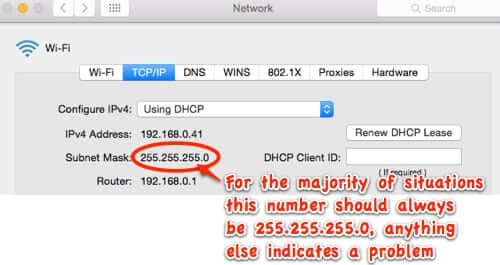
The 255.255.255.0 subnet mask is one of the most common subnet masks used in IP networks. It is also known as a Class C subnet mask, as it is used for Class C IP addresses.

A Class C IP address is a 32-bit number that is divided into two parts: the network portion and the host portion. The first 24 bits (or the first three octets) are used for the network portion, while the last 8 bits (or the last octet) are used for the host portion.

The 255.255.255.0 subnet mask denotes that the first 24 bits of the IP address are used for the network portion, while the last 8 bits are used for the host portion. This means that there are 256 possible IP addresses on each network segment, as the host portion can range from 0 to 255.

For example, if an IP address is 192.168.1.100 and the subnet mask is 255.255.255.0, this means that the first three octets (192.168.1) are used for the network portion, while the last octet (100) is used for the host portion. This IP address is on the same network as any other IP address that starts with 192.168.1, as long as they have the same subnet mask.

Uses of the 255.255.255.0 Subnet Mask

The 255.255.255.0 subnet mask is commonly used in small to medium-sized networks, where there are fewer than 254 devices on each network segment. This is because there are only 256 possible IP addresses on each segment, and two of those addresses (the first and last) are reserved for the network address and broadcast address, respectively.

It is worth noting that the 255.255.255.0 subnet mask is not the only subnet mask that can be used in IP networks. There are many other subnet masks available, each with its own characteristics and use cases.

Conclusion

In conclusion, the 255.255.255.0 subnet mask is a commonly used subnet mask in IP networks. It helps divide the network into smaller, more manageable segments, making it easier to manage and route IP traffic. By understanding the basics of subnet masks and how they work, network administrators can create more efficient and effective IP networks.


Previous Article

How to Close Applications on Mac

Next Article

5G Internet: The High-Speed Replacement for Cable?

Matthew Lynch

Related articles More from author

  • Digital & Mobile Technology

    Digital Libraries Where You Can Download Ebooks for Free

    June 6, 2023
    By Matthew Lynch
  • Digital & Mobile Technology

    How to Move the iPhone Safari Search Bar Back to the Top in iOS

    June 8, 2023
    By Matthew Lynch
  • Digital & Mobile Technology

    How to Delete a Notebook in OneNote

    August 3, 2023
    By Matthew Lynch
  • Digital & Mobile Technology

    Does the iPhone 12 Come With AirPods?

    August 5, 2023
    By Matthew Lynch
  • Digital & Mobile Technology

    How to Add TV Providers to iOS and Apple TV

    May 18, 2023
    By Matthew Lynch
  • Digital & Mobile Technology

    How to Reset Your Roku Box or Streaming Stick

    June 1, 2023
    By Matthew Lynch

Search

Login & Registration

  • Register
  • Log in
  • Entries feed
  • Comments feed
  • WordPress.org

Newsletter

Signup for The Tech Edvocate Newsletter and have the latest in EdTech news and opinion delivered to your email address!

About Us

Since technology is not going anywhere and does more good than harm, adapting is the best course of action. That is where The Tech Edvocate comes in. We plan to cover the PreK-12 and Higher Education EdTech sectors and provide our readers with the latest news and opinion on the subject. From time to time, I will invite other voices to weigh in on important issues in EdTech. We hope to provide a well-rounded, multi-faceted look at the past, present, the future of EdTech in the US and internationally.

We started this journey back in June 2016, and we plan to continue it for many more years to come. I hope that you will join us in this discussion of the past, present and future of EdTech and lend your own insight to the issues that are discussed.

Newsletter

Signup for The Tech Edvocate Newsletter and have the latest in EdTech news and opinion delivered to your email address!

Contact Us

The Tech Edvocate
910 Goddin Street
Richmond, VA 23231
(601) 630-5238
[email protected]

Copyright © 2025 Matthew Lynch. All rights reserved.