
12 Simple Ways to Identify Bed Bug Droppings
Introduction:
Bed bugs are a pesky problem that can cause discomfort and anxiety in any household. These tiny insects are notorious for feasting on human blood and leaving behind droppings as evidence of their crime. If you suspect that bed bugs might have invaded your home, identifying their droppings is essential for effective pest control. In this article, we will discuss 12 simple ways to help you identify bed bug droppings and reclaim your peace of mind.
1. Size and Shape:
Bed bug droppings are generally small, round, and dark in color. They can be as tiny as a pinhead, approximately 1mm in diameter, making them challenging to spot with the naked eye.
2. Color:
These droppings tend to be dark reddish-brown or black, as they consist mainly of digested blood from their host.
3. Texture:
Although droppings may appear like tiny black dots upon first glance, closer inspection reveals they have a slightly grainy or granulated texture.
4. Smell:
Bed bug feces often emit a distinct, musty odor similar to that of a damp towel or moldy clothes. If you notice such a smell in your bedroom or living area, it’s wise to investigate further for signs of bed bugs.
5. Location:
You are most likely to find bed bug droppings on bedding, mattresses, box springs, and headboards – essentially any places where the bugs congregate for easy access to feed on humans.
6. Patterns:
Droppings may appear scattered or grouped together in clusters, depending on how the bed bugs were feeding. It’s vital not to confuse these patterns with other pests’ fecal matter like cockroaches or fleas.
7. Stains:
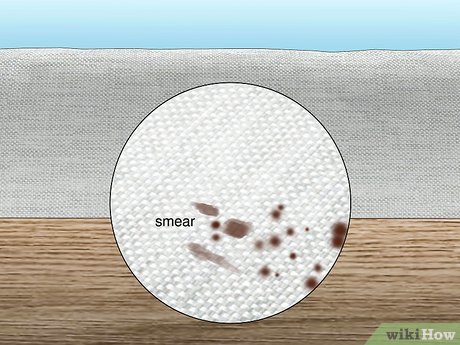
Look for reddish-brown stains on your sheets or mattress caused by the bugs being crushed accidentally or by their liquid feces. These stains are a strong indicator of bed bug activity.
8. Presence of Shed Skins:
Bed bugs go through several life stages, shedding their exoskeleton as they grow. If you find shed skins alongside droppings, this is a telltale sign of bed bug infestation.
9. Blood Smears:
Another sign to look out for is small blood smears on your sheets caused by the bugs’ engorging on blood.
10. Detection Tools:
Use a magnifying glass, flashlight, or even your phone’s camera with a zoom feature to help identify tiny droppings more easily.
11. Professional Inspection:
Consider calling a professional pest control company for thorough inspection and identification if you’re unable to determine whether the droppings belong to bed bugs on your own.
12. Bed Bug Traps:
Set up bed bug traps around your home to catch live insects and confirm the presence of these pests in case droppings alone don’t provide conclusive evidence.
Conclusion:
Identifying bed bug droppings is the first step towards a pest-free home. Once you’re aware of their presence, it becomes easier to take appropriate measures for eradicating them from your living space. Keep an eye out for these 12 signs and be proactive in maintaining a clean, comfortable, and bed bug-free environment in your home.



