
100 Classroom Management Tips for Effective Teaching
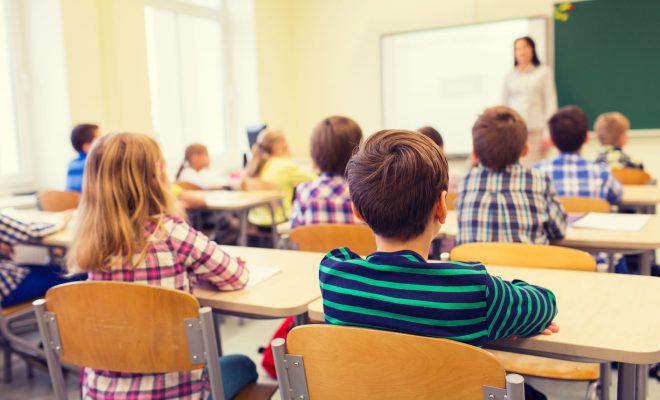
Effective classroom management is the cornerstone of successful teaching. It creates an environment conducive to learning, minimizes disruptions, and maximizes instructional time. This comprehensive guide offers 100 practical tips to help educators at all levels enhance their classroom management skills.
Table of Contents
- Establishing a Positive Classroom Culture
- Setting Clear Expectations
- Effective Communication Strategies
- Building Relationships with Students
- Managing Classroom Behavior
- Organizing the Physical Space
- Time Management and Pacing
- Engaging Instructional Strategies
- Addressing Diverse Learning Needs
- Utilizing Technology Effectively
- Collaborating with Parents and Colleagues
- Self-Care and Professional Development
Establishing a Positive Classroom Culture
- Create a welcoming environment: Greet students at the door with a smile and positive attitude each day.
- Develop a class mission statement: Collaborate with students to create a shared vision for the classroom.
- Celebrate diversity: Incorporate diverse perspectives and cultural elements into your curriculum and classroom decor.
- Encourage a growth mindset: Teach students that abilities can be developed through dedication and hard work.
- Foster a sense of community: Use team-building activities and cooperative learning strategies to build connections among students.
- Implement class meetings: Hold regular discussions to address concerns, celebrate achievements, and build community.
- Create classroom traditions: Establish routines or events that students can look forward to throughout the year.
- Use positive language: Frame rules and expectations in positive terms, focusing on desired behaviors rather than prohibited ones.
- Encourage peer support: Implement a buddy system or peer mentoring program to foster mutual support among students.
- Recognize and reward positive behavior: Implement a system to acknowledge and celebrate students’ good choices and achievements.
Setting Clear Expectations
- Establish clear rules and procedures: Develop a concise set of classroom rules and procedures with student input.
- Post visual reminders: Display rules, procedures, and expectations prominently in the classroom.
- Teach and practice routines: Explicitly teach and regularly practice classroom routines until they become habitual.
- Use consistent consequences: Develop and consistently apply a fair system of consequences for rule violations.
- Implement a behavior contract: Create individual or class-wide behavior contracts to reinforce expectations.
- Set academic expectations: Clearly communicate learning objectives and success criteria for each lesson or unit.
- Establish homework policies: Develop clear guidelines for homework assignments, including due dates and completion expectations.
- Create a substitute teacher plan: Prepare a detailed plan for substitute teachers to maintain consistency in your absence.
- Address technology use: Establish and enforce clear rules for appropriate use of technology in the classroom.
- Communicate expectations to parents: Share classroom rules and expectations with parents to ensure consistent reinforcement at home.
Effective Communication Strategies
- Use nonverbal cues: Develop a set of nonverbal signals to communicate with students without interrupting instruction.
- Practice active listening: Give students your full attention when they speak and model good listening skills.
- Use “I” statements: Frame feedback and directions using “I” statements to avoid accusatory language.
- Implement wait time: Allow sufficient time for students to process questions and formulate responses.
- Vary your tone and volume: Adjust your speaking voice to maintain student attention and convey different emotions.
- Use students’ names: Address students by name to personalize interactions and maintain engagement.
- Provide clear instructions: Break down complex tasks into clear, step-by-step instructions.
- Check for understanding: Regularly assess student comprehension through questioning and informal assessments.
- Encourage student voice: Create opportunities for students to express their thoughts, opinions, and concerns.
- Use positive reinforcement: Provide specific, genuine praise to reinforce desired behaviors and academic achievements.
Building Relationships with Students
- Show genuine interest: Take time to learn about students’ interests, hobbies, and experiences outside of school.
- Share appropriate personal anecdotes: Let students see you as a real person by sharing relevant personal stories.
- Create individual check-ins: Schedule brief, regular one-on-one meetings with each student.
- Use icebreaker activities: Implement fun getting-to-know-you activities throughout the year.
- Attend extracurricular events: Show support for students by attending their sports games, performances, or other activities.
- Implement a classroom job system: Assign classroom responsibilities to foster a sense of ownership and trust.
- Create a “student of the week” program: Highlight individual students’ strengths and accomplishments regularly.
- Use humor appropriately: Incorporate appropriate jokes or funny anecdotes to lighten the mood and build rapport.
- Practice empathy: Try to understand and validate students’ feelings and perspectives.
- Maintain professional boundaries: While building relationships, maintain appropriate teacher-student boundaries.
Managing Classroom Behavior
- Implement a token economy: Use a point or token system to reinforce positive behaviors.
- Utilize behavior charts: Create visual representations of student behavior to encourage self-monitoring.
- Use proximity control: Move around the classroom to manage behavior through your physical presence.
- Redirect off-task behavior: Quickly and quietly redirect students who are off-task without disrupting the class.
- Implement a quiet signal: Teach students a signal that indicates it’s time to be quiet and pay attention.
- Use positive peer pressure: Encourage students to hold each other accountable for following classroom rules.
- Provide choice: Offer students appropriate choices to give them a sense of control and reduce power struggles.
- Implement a cool-down corner: Designate a space where students can go to regain composure when feeling overwhelmed.
- Use behavior-specific praise: Provide specific feedback on positive behaviors to encourage their repetition.
- Teach conflict resolution skills: Equip students with strategies to resolve conflicts independently.
Organizing the Physical Space
- Arrange desks strategically: Set up seating arrangements that facilitate learning and minimize distractions.
- Create learning centers: Designate specific areas in the classroom for different activities or subjects.
- Implement a clear labeling system: Label supplies, materials, and storage areas for easy access and organization.
- Establish traffic patterns: Create clear pathways for movement around the classroom to reduce congestion.
- Use flexible seating options: Incorporate various seating options to accommodate different learning styles and preferences.
- Create a cozy reading nook: Designate a comfortable area for independent reading.
- Display student work: Showcase student achievements and projects on classroom walls.
- Organize materials efficiently: Develop systems for distributing and collecting materials quickly.
- Implement a lost and found area: Designate a space for misplaced items to reduce class disruptions.
- Create a calming atmosphere: Use soft lighting, plants, or calming colors to create a peaceful learning environment.
Time Management and Pacing
- Use a visible timer: Display a timer to help students manage time during activities and transitions.
- Implement a daily schedule: Post and follow a consistent daily routine to create structure and predictability.
- Plan smooth transitions: Develop efficient procedures for moving between activities or subjects.
- Use bell-ringers or warm-up activities: Start each class with a brief, engaging activity to maximize instructional time.
- Chunk lessons into manageable segments: Break longer lessons into shorter, focused segments to maintain engagement.
- Implement exit tickets: End lessons with brief assessments to check understanding and inform future planning.
- Use a parking lot: Create a space to “park” off-topic questions or ideas for later discussion.
- Teach time management skills: Explicitly teach students strategies for managing their time effectively.
- Plan buffer time: Allow extra time in your schedule for unexpected interruptions or extended discussions.
- Use music for transitions: Play specific songs or sounds to signal transitions between activities.
Engaging Instructional Strategies
- Implement cooperative learning: Use group work and peer teaching to increase engagement and understanding.
- Use hands-on activities: Incorporate tactile and kinesthetic learning experiences across subjects.
- Implement gamification: Use game-like elements to make learning more engaging and motivating.
- Use visual aids: Incorporate diagrams, charts, and other visual representations to support learning.
- Implement project-based learning: Engage students in long-term, interdisciplinary projects that connect to real-world issues.
- Use storytelling: Incorporate narratives and personal stories to make content more memorable and relatable.
- Implement think-pair-share: Use this strategy to encourage individual thinking, collaboration, and whole-class discussion.
- Use movement breaks: Incorporate short physical activities to re-energize students and improve focus.
- Implement student-led discussions: Allow students to take the lead in class discussions to increase engagement and ownership.
- Use multimedia resources: Incorporate videos, podcasts, and interactive online resources to appeal to different learning styles.
Addressing Diverse Learning Needs
- Differentiate instruction: Adjust content, process, and product to meet the diverse needs of all learners.
- Implement Universal Design for Learning: Plan lessons with multiple means of representation, expression, and engagement.
- Use tiered assignments: Provide tasks at different levels of complexity to challenge all students appropriately.
- Implement learning stations: Create different activity centers that allow students to work at their own pace.
- Use graphic organizers: Provide visual tools to help students organize information and ideas.
- Implement peer tutoring: Pair students of different ability levels to support each other’s learning.
- Use assistive technology: Incorporate tools and software that support students with special needs.
- Implement individualized goal-setting: Help students set and track personal academic and behavioral goals.
- Use multiple assessment methods: Vary assessment types to allow students to demonstrate learning in different ways.
- Provide choice in assignments: Offer options for how students can demonstrate their understanding of content.
Utilizing Technology Effectively
- Establish clear technology rules: Develop and enforce guidelines for appropriate use of devices in the classroom.
- Use digital formative assessment tools: Implement online quizzes or polls for quick checks for understanding.
- Implement a classroom management app: Use apps designed to track behavior, communicate with parents, and manage classroom activities.
- Create a class website or blog: Use online platforms to share resources, assignments, and updates with students and parents.
- Implement digital portfolios: Use online tools for students to collect and showcase their work over time.
- Use virtual field trips: Incorporate virtual tours and experiences to enhance learning and broaden students’ perspectives.
- Implement flipped learning: Use technology to deliver instructional content outside of class time, freeing up class time for active learning.
- Use collaborative online tools: Implement platforms that allow students to work together on projects and assignments.
- Teach digital citizenship: Explicitly teach students how to use technology responsibly and safely.
- Stay updated on educational technology: Continuously learn about new tools and strategies for integrating technology effectively.
Conclusion
Effective classroom management is a multifaceted skill that requires ongoing practice, reflection, and adaptation. By implementing these 100 tips, educators can create a positive, productive learning environment that supports student success. Remember that every classroom is unique, and it’s important to adapt these strategies to fit your specific context and student needs. With patience, consistency, and a commitment to continuous improvement, you can master the art of classroom management and become a more effective educator.


