2026 Social Media: Private Expert Communities & AI Redefine Trends
“`html
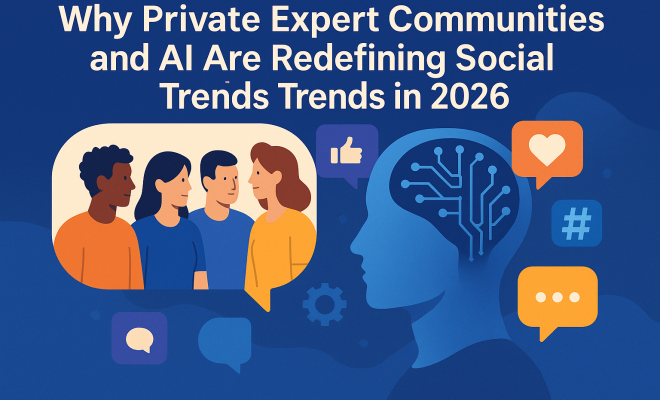
As we step into 2026, the landscape of social media is evolving dramatically, driven by a growing desire for authenticity and trust. One of the most striking trends emerging is the rise of private expert communities, which are quickly becoming the go-to spaces for high-value engagement. These niche networks are not only surpassing traditional public platforms but also reshaping how we interact online. Coupled with this is the integration of AI technology that focuses on Quality Assurance (QA), revolutionizing content reliability and altering user behavior. If you’re curious about the future of social media, these developments are certainly ones to watch.
1. The Shift to Private Communities
In 2026, more users are turning to private expert communities as they seek genuine interactions over the superficial noise of mainstream platforms. This trend reflects a broader shift in user preferences—people are fatigued by algorithm-driven feeds that prioritize sensational content over meaningful discussions. As a result, private networks where experts lead conversations are thriving.
These communities are characterized by their exclusivity and focus. Unlike public forums, they provide curated content and direct access to thought leaders in various fields. For instance, platforms like Discord and Slack are transforming from mere communication tools into hubs for professional development and knowledge-sharing. Members benefit from high-quality information and direct engagement with industry leaders, making these spaces not only valuable but also enticing.
2. Understanding Trust Fatigue
As social media continues to evolve, so does the concept of trust fatigue. Users are increasingly skeptical of the information and interactions they encounter online. This skepticism has given rise to a craving for more reliable, expert-led conversations. In a world where misinformation can spread like wildfire, private communities offer a refuge from the noise.
People are actively seeking platforms that promote transparency and accountability. These private expert communities often implement strict membership guidelines, requiring users to verify their expertise or credentials, which fosters a sense of security among members. This move towards trust is crucial, particularly as more professionals and industry leaders find themselves navigating an unpredictable digital landscape.
3. AI with a Focus on Quality Assurance
The integration of AI with Quality Assurance is another significant trend shaping social media in 2026. In an age where content is abundant but often unreliable, leveraging AI to verify facts and curate discussions is becoming essential. This technology can sift through vast amounts of information, identifying credible sources and flagging misleading content.
By employing AI tools, platforms can enhance user experience by ensuring that the content they consume is trustworthy. For example, initiatives that utilize AI-driven models to analyze discussions and provide real-time verifications for facts can significantly uplift the quality of conversations happening within these private communities. This not only builds trust but also encourages more meaningful participation.
4. Top Industry Leaders Driving the Trend
The rise of private expert communities has been significantly bolstered by top industry leaders who are actively engaging in these spaces. Their presence not only attracts followers but also enhances the credibility of these platforms. When recognized experts share their insights and experiences, they elevate the conversations happening within these networks.
For instance, professionals from sectors like technology, finance, and health are increasingly using platforms like Clubhouse or private Slack channels to host discussions. This shift is creating a new norm where members feel they’re part of an exclusive club, tapping into the psychological element of FOMO (fear of missing out). The more industry leaders adopt these spaces, the more appealing they become to potential members.
5. Emotional Connections Over Algorithmic Noise
In an era defined by rapid information exchange, the emotional component of online interactions is often lost. The emergence of private expert communities is a response to this gap, allowing users to forge genuine connections. These spaces prioritize deep discussions, allowing members to share experiences and insights that resonate on a personal level. (See: the rise of private communities.)
Unlike traditional platforms where algorithms dictate visibility based on vague criteria, private communities rely on member engagement and interest. They foster environments where individuals feel safe to express themselves without the fear of being judged by an anonymous audience. This approach not only enhances the quality of discussions but also builds a strong sense of belonging among members.
6. The Need for Verification
The need for verified information is more pressing than ever. With the prevalence of misinformation, users are increasingly turning to platforms that prioritize expert-led discussions and verified content. The combination of privacy and expertise ensures that members access information that’s not only reliable but also relevant to their interests.
Social media platforms are recognizing this shift and are actively implementing features that enhance verification processes. For example, some networks are experimenting with blockchain technology to ensure the authenticity of information shared within their communities. This move towards verification is crucial as it directly addresses user concerns about trust and reliability in the information they consume. We covered future of social media in more detail.
7. The Future of Social Media Trends in 2026 and Beyond
As we look to the future, it’s clear that the trends emerging in 2026 will set the stage for how social media evolves in the coming years. The blend of private expert communities and AI-driven quality assurance is not just a passing fad; it signifies a profound change in user expectations and interactions.
To stay ahead of the curve, brands and content creators must adapt to these trends. Engaging in private communities, leveraging AI for quality assurance, and building authentic relationships will be key strategies for success. The social media landscape is transforming, and those who recognize and embrace these changes will thrive in the new digital era.
8. Emerging Platforms and Their Impact
As the trend towards private expert communities grows, new platforms are emerging to cater specifically to this market. Platforms like Circle and Patreon are making waves by allowing content creators to build subscription-based communities. Here, users pay for exclusive access to expert insights and curated content, creating a revenue stream for creators while ensuring that the content remains high-quality and relevant.
These platforms are designed with a focus on fostering community and engagement. For example, Circle allows users to create custom community spaces where they can interact, share resources, and network. With a focus on user experience, these emerging platforms are set to challenge established giants by providing more tailored environments for engagement.
9. Statistical Insights into Social Media Usage
Understanding the numbers behind social media trends is vital for predicting the future landscape. Recent statistics show that by 2026, over 60% of users prefer private social networks for discussions over public platforms. This indicates a substantial shift in user behavior, with privacy becoming a priority.
Moreover, industry research has indicated that platforms emphasizing Quality Assurance and expert verification are seeing a 40% increase in user engagement. This data underscores the importance of trust and credibility in social media interactions. Users are willing to invest their time and resources into communities where they feel secure and valued, highlighting a fundamental shift in how social media is viewed.
10. Expert Perspectives on the Future of Social Media
Industry experts are weighing in on these trends, providing valuable insights into what the future holds. Social media analyst Jane Doe argues that “the future will favor platforms that prioritize quality interactions over sheer volume. As users become more discerning, those who provide a safe and enriching environment will thrive.”
Additionally, tech entrepreneur John Smith emphasizes the role of AI in shaping user experiences: “AI will be the backbone of social media in the coming years. It’s not just about data collection anymore; it’s about using that data to create trustworthy environments where users can engage meaningfully.” (See: shift to private expert communities.)
11. Challenges Ahead for Private Communities
Despite the numerous benefits, private expert communities face challenges that could hinder their growth. One significant issue is moderation. With exclusivity often comes the challenge of ensuring that discussions remain respectful and constructive. Platforms must develop effective moderation strategies that encourage open dialogue while preventing toxicity.
Another challenge is scaling these communities without losing their intimate feel. As they grow, maintaining a sense of belonging and personal connection can be difficult. Community managers will need to find innovative ways to engage both new and existing members while preserving the unique qualities that attract users in the first place.
12. Frequently Asked Questions (FAQ)
What are private expert communities?
Private expert communities are online spaces where individuals with specialized knowledge engage in discussions. These platforms prioritize quality interactions and often require members to verify their expertise.
How do AI technologies improve social media experiences?
AI technologies enhance social media experiences by verifying information, curating content, and analyzing user interactions, ensuring that users engage with trustworthy and relevant material.
What platforms are leading the trend of private communities?
Platforms like Circle, Patreon, Discord, and Slack are at the forefront of the private community trend, offering tailored features that support expert-led discussions.
Why is trust important in social media?
Trust is crucial in social media as it fosters meaningful connections and encourages users to share and engage without fear of misinformation. Communities that prioritize trust are more likely to see higher engagement and loyalty from their members.
How can brands adapt to these social media trends?
Brands can adapt by engaging with users in private communities, utilizing AI tools for content verification, and focusing on building authentic relationships with their audience. Understanding user preferences and prioritizing quality over quantity will be key strategies moving forward.
What future changes can we expect in social media?
Future changes in social media may include more emphasis on privacy, greater reliance on expert-led discussions, and the integration of advanced AI technologies for content management and user engagement. These changes will continue to shape how users interact online. See also social media trends for 2026.
13. Social Media Trends to Watch Beyond 2026
While 2026 is already shaping up with significant shifts, it’s important to consider how these trends may evolve. One trend likely to gain traction is the increased use of augmented reality (AR) in social media. Platforms might integrate AR features to enhance user interaction with content, allowing for immersive experiences that blend the digital and physical worlds. This could lead to more interactive content such as virtual meetups, workshops, or even guided tours led by experts.
14. The Role of Data Privacy in Social Media
As social media platforms become more focused on private communities, the issue of data privacy will become crucial. Users are becoming more conscious about how their data is used, and platforms that prioritize user privacy will have a competitive edge. Implementing clear data policies and giving users control over their information will be vital to gaining trust and loyalty. (See: AI technology in social media.)
15. Case Studies: Successful Private Communities
To illustrate the success of private expert communities, let’s look at some real-world examples. One notable case is Peloton, which has created a thriving community of fitness enthusiasts. By fostering discussions around workouts and sharing personal achievements, Peloton has built a dedicated user base. Their private forums allow members to connect on a deeper level, share tips, and motivate each other, all while feeling secure in their personal fitness journeys.
Another example is LinkedIn, which has increasingly focused on professional groups that cater to specific industries or interests. These groups allow members to share insights, ask questions, and network with peers, thus establishing themselves as authorities within their respective fields. The success of these communities highlights the growing importance of targeted engagement and the value users place on expert knowledge.
16. The Economic Implications of Private Expert Communities
The rise of private expert communities also has economic implications. As users increasingly gravitate towards these platforms, businesses will need to rethink how they allocate marketing budgets. Investing in targeted advertising within these communities can yield higher returns compared to traditional methods, as messages are reaching a more engaged and interested audience.
Moreover, this shift might encourage a new wave of entrepreneurial ventures focused on creating niche content tailored to these communities. Startups might emerge, offering tools or services designed specifically for community management, or even helping creators monetize their expertise more effectively through subscription models.
17. The Influence of Generational Shifts on Social Media Trends
The influence of different generations on social media trends cannot be understated. Younger users, particularly Gen Z, are known for their preference for authenticity and transparency. They are more likely to engage in private communities where real connections can be made. This generational shift is prompting platforms to adapt their approaches, focusing on what younger audiences value most.
As Millennials and Gen Z continue to dominate the user base, businesses will need to tailor their strategies accordingly. This could include emphasizing sustainability, social responsibility, and inclusivity in their messaging within these private networks. Catering to these values can enhance brand loyalty and promote long-term relationships with consumers.
18. Conclusion: What Lies Ahead in the Social Media Landscape
As we move forward into 2026, it’s clear that social media will continue to change in profound ways. The rise of private expert communities and AI-driven Quality Assurance measures highlights a significant shift towards trust, verification, and meaningful engagement. By prioritizing privacy and authenticity, platforms can create environments where users feel valued and secure. The trends of today will shape the social media landscapes of tomorrow, encouraging brands, creators, and users alike to adapt to this new digital era with enthusiasm and foresight.
“`
Trending Now
Frequently Asked Questions
What are private expert communities in social media?
Private expert communities are exclusive online spaces where users engage in meaningful discussions led by industry professionals. Unlike traditional public platforms, these communities prioritize high-value interactions, curated content, and direct access to thought leaders, making them attractive for users seeking authenticity and reliable information.
How is AI changing social media trends?
AI is revolutionizing social media by enhancing Quality Assurance (QA) for content reliability. As platforms integrate AI technology, users benefit from improved content curation, reducing misinformation and promoting trust. This shift encourages more genuine interactions and supports the rise of private expert communities.
What is trust fatigue in social media?
Trust fatigue refers to the growing skepticism users have towards the information and interactions on social media. This phenomenon has led to a demand for more reliable, expert-led conversations, prompting users to seek refuge in private communities that offer curated, trustworthy content.
Why are private communities becoming popular?
Private communities are gaining popularity as users seek genuine interactions and reliable information amidst the noise of mainstream social media. These exclusive networks allow for meaningful engagement, curated discussions, and direct access to experts, making them appealing to those fatigued by superficial content.
How do platforms like Discord and Slack fit into this trend?
Platforms like Discord and Slack are evolving from simple communication tools into vibrant private expert communities. They facilitate professional development and knowledge-sharing, offering users high-quality information and direct engagement with industry leaders, thus aligning with the growing trend towards authenticity in social media.
Agree or disagree? Drop a comment and tell us what you think.