The Tech Edvocate

Top Menu

  • Advertisement
  • Apps
  • Home Page
  • Home Page Five (No Sidebar)
  • Home Page Four
  • Home Page Three
  • Home Page Two
  • Home Tech2
  • Icons [No Sidebar]
  • Left Sidbear Page
  • Lynch Educational Consulting
  • My Account
  • My Speaking Page
  • Newsletter Sign Up Confirmation
  • Newsletter Unsubscription
  • Our Brands
  • Page Example
  • Privacy Policy
  • Protected Content
  • Register
  • Request a Product Review
  • Shop
  • Shortcodes Examples
  • Signup
  • Start Here
    • Governance
    • Careers
    • Contact Us
  • Terms and Conditions
  • The Edvocate
  • The Tech Edvocate Product Guide
  • Topics
  • Write For Us
  • Advertise

Main Menu

  • Start Here
    • Our Brands
    • Governance
      • Lynch Educational Consulting, LLC.
      • Dr. Lynch’s Personal Website
      • Careers
    • Write For Us
    • The Tech Edvocate Product Guide
    • Contact Us
    • Books
    • Edupedia
    • Post a Job
    • The Edvocate Podcast
    • Terms and Conditions
    • Privacy Policy
  • Topics
    • Assistive Technology
    • Child Development Tech
    • Early Childhood & K-12 EdTech
    • EdTech Futures
    • EdTech News
    • EdTech Policy & Reform
    • EdTech Startups & Businesses
    • Higher Education EdTech
    • Online Learning & eLearning
    • Parent & Family Tech
    • Personalized Learning
    • Product Reviews
  • Advertise
  • Tech Edvocate Awards
  • The Edvocate
  • Pedagogue
  • School Ratings

logo

The Tech Edvocate

  • Start Here
    • Our Brands
    • Governance
      • Lynch Educational Consulting, LLC.
      • Dr. Lynch’s Personal Website
        • My Speaking Page
      • Careers
    • Write For Us
    • The Tech Edvocate Product Guide
    • Contact Us
    • Books
    • Edupedia
    • Post a Job
    • The Edvocate Podcast
    • Terms and Conditions
    • Privacy Policy
  • Topics
    • Assistive Technology
    • Child Development Tech
    • Early Childhood & K-12 EdTech
    • EdTech Futures
    • EdTech News
    • EdTech Policy & Reform
    • EdTech Startups & Businesses
    • Higher Education EdTech
    • Online Learning & eLearning
    • Parent & Family Tech
    • Personalized Learning
    • Product Reviews
  • Advertise
  • Tech Edvocate Awards
  • The Edvocate
  • Pedagogue
  • School Ratings
  • This One Thing Is Quietly Reshaping High School Education Forever

  • Millions of Student Loan Borrowers Face Unprecedented Chaos: Is Your Repayment Plan Next?

  • The Astonishing Truth About Student Loan Refinance Rates: What You Need to Know Now

  • Devastating: AI Agents Just Found a Zero-Day in Medical Software in 11 Minutes

  • The AI Education Revolution: 10 Urgent Questions Universities Must Answer Now

  • Explosive Zero-Day Vulnerability: 15 Million Websites Under Siege – Is Yours Next?

  • The Ultimate Kuru Footwear Trio: A Comfort Revolution for Every Adventure

  • Why Your Mortgage Could Be Denied by Biased AI – And What the Fed Is Doing About It

  • Unprecedented: Lawsuit Demands Total AI Shutdown Amid Rising Global Panic

  • The Astonishing Truth: Microcredentials Now Trump MBAs for Data Science Jobs

Digital & Mobile Technology
Home›Digital & Mobile Technology›Why Electron Apps Can Be Less Than Ideal

Why Electron Apps Can Be Less Than Ideal
By Matthew Lynch
July 24, 2023
0
Spread the love

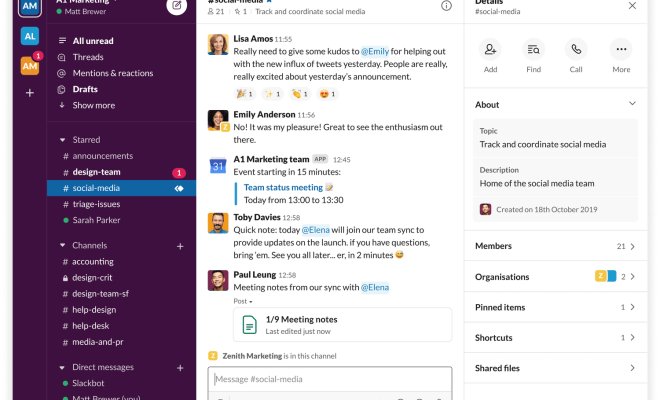
Electron is a popular framework for building cross-platform desktop applications using web technologies such as HTML, CSS, and JavaScript. While it offers many benefits such as ease of development and deployment, it also has some drawbacks that can make it less than ideal for certain use cases.

Resource Intensive

Electron apps are known for their large file sizes and high system resource usage. This is because the framework includes a full Chromium browser and Node.js runtime, which can make the app feel bloated and slow. This can be a problem for users with older or less powerful hardware, as well as those with limited internet bandwidth.

Limited Native Integration

One of the main benefits of native desktop applications is their ability to integrate with the operating system and other software. However, Electron apps are essentially web apps running in a Chromium shell, which means they have limited access to native APIs and features. This can result in a less than optimal user experience, especially when it comes to things like file handling, system notifications, and accessibility.

Security Concerns

Electron apps are essentially web apps running on the local machine, which means they can pose security risks if not properly designed and implemented. For example, Electron apps can be vulnerable to cross-site scripting (XSS) attacks and have access to system resources that can be exploited by malicious actors. This is a concern for both developers and users, as it can lead to data breaches and other security incidents.

Conclusion

While Electron can be a great choice for certain types of applications, it is not always the best option. Developers should carefully consider the trade-offs and limitations of using Electron before deciding to build an app with it. Users should also be aware of the potential drawbacks and risks of using Electron apps, especially when it comes to security and resource usage.


Previous Article

What to Consider Before Converting to MP3

Next Article

Spotify Podcasts: How to Subscribe, Download, and ...

Matthew Lynch

Related articles More from author

  • Digital & Mobile Technology

    Online Riddle Games to Keep You Glued to Your Computer

    June 5, 2023
    By Matthew Lynch
  • Digital & Mobile Technology

    The iPod Is Dead: Here Are 3 Reasons Why Apple Is Making a Big Mistake

    August 5, 2023
    By Matthew Lynch
  • Digital & Mobile Technology

    Explore and Play Simulation Games

    July 24, 2023
    By Matthew Lynch
  • Digital & Mobile Technology

    How to Transfer Photos From iPhone to PC: Methods

    June 14, 2023
    By Matthew Lynch
  • Digital & Mobile Technology

    The Pros and Cons of Using Time Machine on Mac

    June 23, 2023
    By Matthew Lynch
  • Digital & Mobile Technology

    How to Mute or Turn Off the Microphone in Windows 10

    September 8, 2023
    By Matthew Lynch

Search

Login & Registration

  • Log in
  • Entries feed
  • Comments feed
  • WordPress.org

Newsletter

Signup for The Tech Edvocate Newsletter and have the latest in EdTech news and opinion delivered to your email address!

About Us

Since technology is not going anywhere and does more good than harm, adapting is the best course of action. That is where The Tech Edvocate comes in. We plan to cover the PreK-12 and Higher Education EdTech sectors and provide our readers with the latest news and opinion on the subject. From time to time, I will invite other voices to weigh in on important issues in EdTech. We hope to provide a well-rounded, multi-faceted look at the past, present, the future of EdTech in the US and internationally.

We started this journey back in June 2016, and we plan to continue it for many more years to come. I hope that you will join us in this discussion of the past, present and future of EdTech and lend your own insight to the issues that are discussed.

Newsletter

Signup for The Tech Edvocate Newsletter and have the latest in EdTech news and opinion delivered to your email address!

Contact Us

The Tech Edvocate
910 Goddin Street
Richmond, VA 23231
(601) 630-5238
[email protected]

Copyright © 2026 Matthew Lynch. All rights reserved.