The Tech Edvocate

Top Menu

  • Advertisement
  • Apps
  • Home Page
  • Home Page Five (No Sidebar)
  • Home Page Four
  • Home Page Three
  • Home Page Two
  • Home Tech2
  • Icons [No Sidebar]
  • Left Sidbear Page
  • Lynch Educational Consulting
  • My Account
  • My Speaking Page
  • Newsletter Sign Up Confirmation
  • Newsletter Unsubscription
  • Our Brands
  • Page Example
  • Privacy Policy
  • Protected Content
  • Register
  • Request a Product Review
  • Shop
  • Shortcodes Examples
  • Signup
  • Start Here
    • Governance
    • Careers
    • Contact Us
  • Terms and Conditions
  • The Edvocate
  • The Tech Edvocate Product Guide
  • Topics
  • Write For Us
  • Advertise

Main Menu

  • Start Here
    • Our Brands
    • Governance
      • Lynch Educational Consulting, LLC.
      • Dr. Lynch’s Personal Website
      • Careers
    • Write For Us
    • The Tech Edvocate Product Guide
    • Contact Us
    • Books
    • Edupedia
    • Post a Job
    • The Edvocate Podcast
    • Terms and Conditions
    • Privacy Policy
  • Topics
    • Assistive Technology
    • Child Development Tech
    • Early Childhood & K-12 EdTech
    • EdTech Futures
    • EdTech News
    • EdTech Policy & Reform
    • EdTech Startups & Businesses
    • Higher Education EdTech
    • Online Learning & eLearning
    • Parent & Family Tech
    • Personalized Learning
    • Product Reviews
  • Advertise
  • Tech Edvocate Awards
  • The Edvocate
  • Pedagogue
  • School Ratings

logo

The Tech Edvocate

  • Start Here
    • Our Brands
    • Governance
      • Lynch Educational Consulting, LLC.
      • Dr. Lynch’s Personal Website
        • My Speaking Page
      • Careers
    • Write For Us
    • The Tech Edvocate Product Guide
    • Contact Us
    • Books
    • Edupedia
    • Post a Job
    • The Edvocate Podcast
    • Terms and Conditions
    • Privacy Policy
  • Topics
    • Assistive Technology
    • Child Development Tech
    • Early Childhood & K-12 EdTech
    • EdTech Futures
    • EdTech News
    • EdTech Policy & Reform
    • EdTech Startups & Businesses
    • Higher Education EdTech
    • Online Learning & eLearning
    • Parent & Family Tech
    • Personalized Learning
    • Product Reviews
  • Advertise
  • Tech Edvocate Awards
  • The Edvocate
  • Pedagogue
  • School Ratings
  • US Battery as a Service Market Shifts Toward Fleet-Based Energy

  • The Startling Truth: Why Americans Distrust AI with Their Health

  • This Crucial Deadline for Banks Is Closer Than You Think

  • Baffling: CrowdStrike’s $500 Million AI Bet Reshapes Cybersecurity

  • This Crucial Autonomous Driving Rule Could Cost You Everything

  • Baffling: Microsoft AI CEO Demands Halt to Conscious AI Development

  • O seară în ritmul tău: atmosfera divertismentului de cazinou pe internet

  • Outrageous: AppLovin Hit With Lawsuit Over AI Claims — What Investors Need to Know

  • 9 Critical Ways AI Investment Fraud Is Quietly Draining Your Bank Account

  • Is the AI Bubble Bursting? OpenAI’s Funding Woes Revealed

Digital & Mobile Technology
Home›Digital & Mobile Technology›What Pixels Are and What They Mean for TV Viewing

What Pixels Are and What They Mean for TV Viewing
By Matthew Lynch
June 8, 2023
0
Spread the love

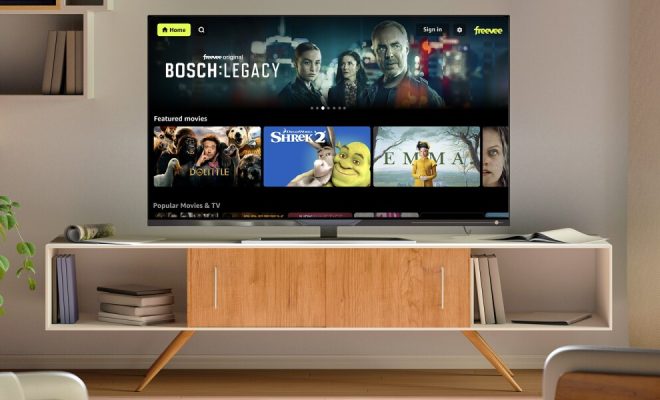
Pixels, short for picture elements, have revolutionized the way we watch TV. They are tiny dots that make up an image on your TV screen, much like the way a mosaic is made up of small tiles. The more pixels there are in a screen, the clearer and sharper the image will be. As TV technology continues to advance, understanding the importance of pixels becomes more and more relevant.

Traditionally, TVs were designed with a limited number of pixels, which could result in a blurry picture. However, with modern technology, higher pixel densities have become more common. In fact, 4K TVs are now the norm, which means they have four times the amount of pixels compared with a 1080p TV. A typical 4K TV has around 8 million pixels, while a 1080p TV only has 2 million. The result is a far more detailed and crisp image on your screen.

As a viewer, this means you can get greater enjoyment from your viewing experience. You can see every detail, every color, and every action unfold before your eyes with incredible clarity. For example, 4K content can show you the wrinkles on an actor’s face, the texture of a plant, or the threads on a piece of clothing. All in all, a higher density of pixels creates a more immersive viewing experience, which is why many TV manufacturers focus on pixel density as a key selling point.

When it comes to streaming content, pixel density also plays a huge role. The higher the pixel count, the more data involved in transmitting the image. This means that viewers with slower internet connections may experience problems with lag and buffering because the data takes longer to transmit. However, advancements in technology have meant that streaming services like Netflix and Amazon Prime now offer 4K content with minimal buffering, provided you have a decent internet connection.

In conclusion, pixels are the building blocks of an image on your TV screen. As TV technology has advanced, so too has the resolution of pixels, meaning a clearer and crispier picture quality. This has led to a more immersive viewing experience, allowing viewers to see everything in incredible detail. As we continue to progress, it’s likely that pixels will play an increasingly pivotal role in how we communicate and interact with visual content.

Previous Article

Best Places to Buy Vinyl Records Online

Next Article

What Are PS/2 Ports and Connectors?

Matthew Lynch

Related articles More from author

  • Digital & Mobile Technology

    Range Definition and Use in Excel Spreadsheets

    July 6, 2023
    By Matthew Lynch
  • Digital & Mobile Technology

    What to Do When Chromium Won’t Uninstall on Windows 10

    July 14, 2023
    By Matthew Lynch
  • Digital & Mobile Technology

    What Is an ASF File?

    June 11, 2023
    By Matthew Lynch
  • Digital & Mobile Technology

    What Is an HWP File?

    June 10, 2023
    By Matthew Lynch
  • Digital & Mobile Technology

    Is Your Mouse Scroll Not Working on Windows? Try These Fixes

    June 15, 2023
    By Matthew Lynch
  • Digital & Mobile Technology

    VirtualBox vs. VMWare vs. Hyper-V: What’s the Best Virtual Machine?

    June 5, 2023
    By Matthew Lynch

Search

Login & Registration

  • Log in
  • Entries feed
  • Comments feed
  • WordPress.org

Newsletter

Signup for The Tech Edvocate Newsletter and have the latest in EdTech news and opinion delivered to your email address!

About Us

Since technology is not going anywhere and does more good than harm, adapting is the best course of action. That is where The Tech Edvocate comes in. We plan to cover the PreK-12 and Higher Education EdTech sectors and provide our readers with the latest news and opinion on the subject. From time to time, I will invite other voices to weigh in on important issues in EdTech. We hope to provide a well-rounded, multi-faceted look at the past, present, the future of EdTech in the US and internationally.

We started this journey back in June 2016, and we plan to continue it for many more years to come. I hope that you will join us in this discussion of the past, present and future of EdTech and lend your own insight to the issues that are discussed.

Newsletter

Signup for The Tech Edvocate Newsletter and have the latest in EdTech news and opinion delivered to your email address!

Contact Us

The Tech Edvocate
910 Goddin Street
Richmond, VA 23231
(601) 630-5238
[email protected]

Copyright © 2026 Matthew Lynch. All rights reserved.