The Tech Edvocate

Top Menu

  • Advertisement
  • Apps
  • Home Page
  • Home Page Five (No Sidebar)
  • Home Page Four
  • Home Page Three
  • Home Page Two
  • Home Tech2
  • Icons [No Sidebar]
  • Left Sidbear Page
  • Lynch Educational Consulting
  • My Account
  • My Speaking Page
  • Newsletter Sign Up Confirmation
  • Newsletter Unsubscription
  • Our Brands
  • Page Example
  • Privacy Policy
  • Protected Content
  • Register
  • Request a Product Review
  • Shop
  • Shortcodes Examples
  • Signup
  • Start Here
    • Governance
    • Careers
    • Contact Us
  • Terms and Conditions
  • The Edvocate
  • The Tech Edvocate Product Guide
  • Topics
  • Write For Us
  • Advertise

Main Menu

  • Start Here
    • Our Brands
    • Governance
      • Lynch Educational Consulting, LLC.
      • Dr. Lynch’s Personal Website
      • Careers
    • Write For Us
    • The Tech Edvocate Product Guide
    • Contact Us
    • Books
    • Edupedia
    • Post a Job
    • The Edvocate Podcast
    • Terms and Conditions
    • Privacy Policy
  • Topics
    • Assistive Technology
    • Child Development Tech
    • Early Childhood & K-12 EdTech
    • EdTech Futures
    • EdTech News
    • EdTech Policy & Reform
    • EdTech Startups & Businesses
    • Higher Education EdTech
    • Online Learning & eLearning
    • Parent & Family Tech
    • Personalized Learning
    • Product Reviews
  • Advertise
  • Tech Edvocate Awards
  • The Edvocate
  • Pedagogue
  • School Ratings

logo

The Tech Edvocate

  • Start Here
    • Our Brands
    • Governance
      • Lynch Educational Consulting, LLC.
      • Dr. Lynch’s Personal Website
        • My Speaking Page
      • Careers
    • Write For Us
    • The Tech Edvocate Product Guide
    • Contact Us
    • Books
    • Edupedia
    • Post a Job
    • The Edvocate Podcast
    • Terms and Conditions
    • Privacy Policy
  • Topics
    • Assistive Technology
    • Child Development Tech
    • Early Childhood & K-12 EdTech
    • EdTech Futures
    • EdTech News
    • EdTech Policy & Reform
    • EdTech Startups & Businesses
    • Higher Education EdTech
    • Online Learning & eLearning
    • Parent & Family Tech
    • Personalized Learning
    • Product Reviews
  • Advertise
  • Tech Edvocate Awards
  • The Edvocate
  • Pedagogue
  • School Ratings
  • Why Millions Are Ditching Degrees for These Microcredential Programs

  • The Astonishing Truth: Why Microcredentials Could Be Your Career’s Secret Weapon

  • Why Employers Are Paying 15% More for This One Credential – Not Your Degree

  • 7 Critical Steps to Safeguard Students When Implementing AI in Your Classroom

  • The Astonishing Truth: Your School’s Data Security Might Be a Time Bomb – 7 LMS Platforms That Are Actually Safe for K-12

  • The Troubling Truth: AI in Education Could Be Compromising Your Child’s Privacy

  • Revealed: The Brutal Truth About IronCircle vs Other Cybersecurity Boot Camps

  • This One Thing About University Boot Camps Is Infuriating — Don’t Fall For It

  • Revealed: The Brutal Truth About University Boot Camp Debt

  • Revealed: The 7 Tools EdTech Pros Are Using to Dominate Remote Work in 2026

Digital & Mobile Technology
Home›Digital & Mobile Technology›What Is an XPI File?

What Is an XPI File?

By Matthew Lynch
June 3, 2023
0
Spread the love

An XPI file, or Cross-Platform Installer, is a file format used for installing add-ons or extensions to a variety of Mozilla applications, such as Firefox, Thunderbird, and SeaMonkey. These files typically contain code and resources necessary to modify or enhance the functionality of the application they are installed in.

In essence, an XPI file is akin to a compressed archive, like a ZIP file. It contains all the necessary code and assets needed to add new features to a user’s Mozilla application. Some examples of XPI file add-ons available for Firefox and other Mozilla applications include ad blockers, password managers, shopping add-ons, and custom themes.

When a user downloads an XPI file add-on, they can install it by navigating to the appropriate menu option in the application they are using. The application will then parse the XPI file, extract its contents, and install the add-on into the appropriate directory.

One benefit of the XPI file format is that it can be used on a variety of operating systems, including Windows, macOS, and Linux. This cross-platform capability allows developers to create add-ons that can be used by a wide range of users, regardless of the operating system they are using.

However, there are some drawbacks to using XPI files. For example, some antivirus software may flag XPI files as potentially malicious, as they may contain code that could potentially harm a user’s computer or compromise their privacy. Additionally, some XPI files may be incompatible with certain versions of Mozilla applications or could conflict with other existing add-ons.

Overall, the XPI file format is an essential tool for developers looking to create add-ons or extensions for Mozilla applications. By using XPI files, developers can easily package and distribute their add-ons, helping to enhance the functionality and usability of Mozilla applications for users all over the world.

Previous Article

How to Download Podcasts

Next Article

What Is Bitstream and How Does It ...

Matthew Lynch

Related articles More from author

  • Digital & Mobile Technology

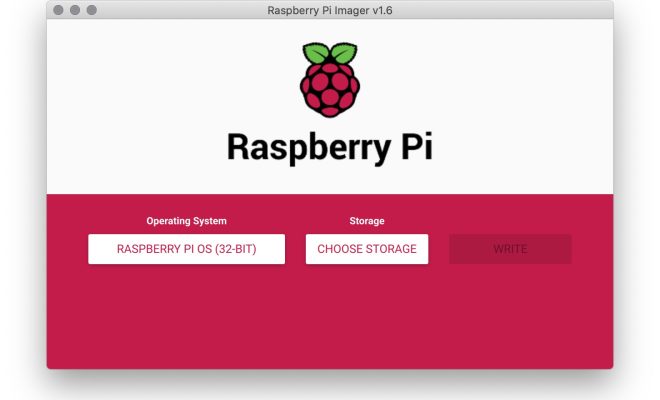
    Types of Raspberry Pi Disk Image You Can Install Today

    June 23, 2023
    By Matthew Lynch
  • Digital & Mobile Technology

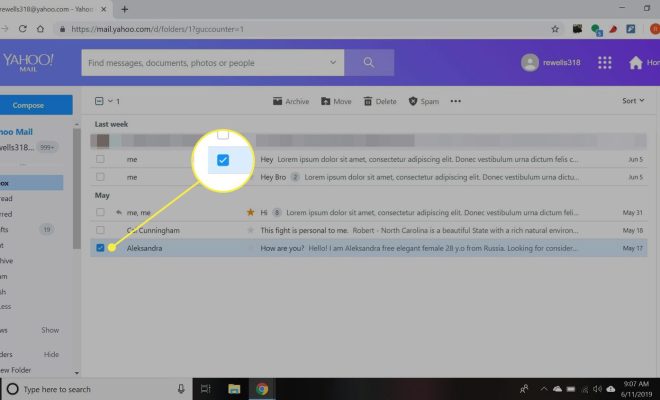
    How to Report a Message as Spam in Yahoo Mail

    June 9, 2023
    By Matthew Lynch
  • Digital & Mobile Technology

    What is an Air Gap?

    April 25, 2023
    By Matthew Lynch
  • Digital & Mobile Technology

    iOS 17.2: What You Should Know About Apple’s Journal App

    January 31, 2024
    By Matthew Lynch
  • Digital & Mobile Technology

    APT vs. DNF vs. YUM: Linux Package Managers Compared

    June 15, 2023
    By Matthew Lynch
  • Digital & Mobile Technology

    What Is the Vmmem Process in Windows Task Manager? Here’s How to Fix Its High Resource Consumption

    June 23, 2023
    By Matthew Lynch

Search

Login & Registration

  • Log in
  • Entries feed
  • Comments feed
  • WordPress.org

Newsletter

Signup for The Tech Edvocate Newsletter and have the latest in EdTech news and opinion delivered to your email address!

About Us

Since technology is not going anywhere and does more good than harm, adapting is the best course of action. That is where The Tech Edvocate comes in. We plan to cover the PreK-12 and Higher Education EdTech sectors and provide our readers with the latest news and opinion on the subject. From time to time, I will invite other voices to weigh in on important issues in EdTech. We hope to provide a well-rounded, multi-faceted look at the past, present, the future of EdTech in the US and internationally.

We started this journey back in June 2016, and we plan to continue it for many more years to come. I hope that you will join us in this discussion of the past, present and future of EdTech and lend your own insight to the issues that are discussed.

Newsletter

Signup for The Tech Edvocate Newsletter and have the latest in EdTech news and opinion delivered to your email address!

Contact Us

The Tech Edvocate
910 Goddin Street
Richmond, VA 23231
(601) 630-5238
[email protected]

Copyright © 2026 Matthew Lynch. All rights reserved.