The Tech Edvocate

Top Menu

  • Advertisement
  • Apps
  • Home Page
  • Home Page Five (No Sidebar)
  • Home Page Four
  • Home Page Three
  • Home Page Two
  • Home Tech2
  • Icons [No Sidebar]
  • Left Sidbear Page
  • Lynch Educational Consulting
  • My Account
  • My Speaking Page
  • Newsletter Sign Up Confirmation
  • Newsletter Unsubscription
  • Our Brands
  • Page Example
  • Privacy Policy
  • Protected Content
  • Register
  • Request a Product Review
  • Shop
  • Shortcodes Examples
  • Signup
  • Start Here
    • Governance
    • Careers
    • Contact Us
  • Terms and Conditions
  • The Edvocate
  • The Tech Edvocate Product Guide
  • Topics
  • Write For Us
  • Advertise

Main Menu

  • Start Here
    • Our Brands
    • Governance
      • Lynch Educational Consulting, LLC.
      • Dr. Lynch’s Personal Website
      • Careers
    • Write For Us
    • The Tech Edvocate Product Guide
    • Contact Us
    • Books
    • Edupedia
    • Post a Job
    • The Edvocate Podcast
    • Terms and Conditions
    • Privacy Policy
  • Topics
    • Assistive Technology
    • Child Development Tech
    • Early Childhood & K-12 EdTech
    • EdTech Futures
    • EdTech News
    • EdTech Policy & Reform
    • EdTech Startups & Businesses
    • Higher Education EdTech
    • Online Learning & eLearning
    • Parent & Family Tech
    • Personalized Learning
    • Product Reviews
  • Advertise
  • Tech Edvocate Awards
  • The Edvocate
  • Pedagogue
  • School Ratings

logo

The Tech Edvocate

  • Start Here
    • Our Brands
    • Governance
      • Lynch Educational Consulting, LLC.
      • Dr. Lynch’s Personal Website
        • My Speaking Page
      • Careers
    • Write For Us
    • The Tech Edvocate Product Guide
    • Contact Us
    • Books
    • Edupedia
    • Post a Job
    • The Edvocate Podcast
    • Terms and Conditions
    • Privacy Policy
  • Topics
    • Assistive Technology
    • Child Development Tech
    • Early Childhood & K-12 EdTech
    • EdTech Futures
    • EdTech News
    • EdTech Policy & Reform
    • EdTech Startups & Businesses
    • Higher Education EdTech
    • Online Learning & eLearning
    • Parent & Family Tech
    • Personalized Learning
    • Product Reviews
  • Advertise
  • Tech Edvocate Awards
  • The Edvocate
  • Pedagogue
  • School Ratings
  • The Reckless Ben Controversy: An Outrageous Fight for Justice

  • Outrageous: The Sydney Sweeney Ad Controversy You Didn’t See Coming — And Why It’s Working

  • The AI CRM War: Why Salesforce Just Made a $2 Billion Bid for a Startup

  • OpenAI’s Navier-Stokes ‘Solution’ Ignites Firestorm: Did They Steal It?

  • Blizzard’s Boldest Bet: Why a StarCraft Shooter in 2030 Could Redefine Gaming

  • Volatile: Why Top AI Bosses Just Triggered a Massive AI Stocks Decline

  • ‘Godfather of AI’ backs Anthropic chief’s call to slow down development

  • Why Millions Are Flocking to Trade Schools as AI Reshapes the Job Market

  • Unmasking the Bizarre ‘Cat in the Hat’ Trend: Why Schools Are Sounding the Alarm

  • Florida DMV Hacked: 200,000 Driver Records Exposed in Stunning Breach

Digital & Mobile Technology
Home›Digital & Mobile Technology›What Is an Embedded OS (Operating System)?

What Is an Embedded OS (Operating System)?
By Matthew Lynch
July 31, 2023
0
Spread the love

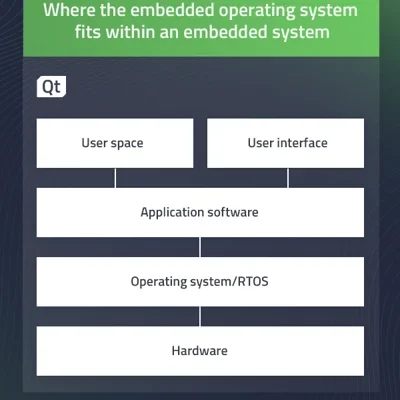
An embedded operating system (OS) is a type of operating system that is specifically designed to run on devices with limited resources such as memory, processing power, and storage. These devices include smartphones, tablets, smartwatches, home automation devices, medical equipment, and industrial machines. Unlike desktop or laptop operating systems, embedded operating systems run on specialized hardware, and their functionality is usually focused on the purpose of the device they are running on. In this article, we’ll be exploring what an embedded OS is, its purpose, characteristics, benefits, and its application in our daily lives.

Definition and Purpose of Embedded OS

An embedded operating system is defined as a software component of an electronic device that controls its functions and interacts with the hardware components. It is responsible for managing system resources such as memory, CPU cycles, and input/output operations. The primary purpose of an embedded OS is to provide a stable and reliable platform for running device-specific applications.

Characteristics of an Embedded OS

An embedded operating system has several characteristics that distinguish it from conventional operating systems. Some of these features include:

1. Real-time operation: Embedded operating systems are designed to respond to inputs and execute outputs in real-time. This ensures that the device operates smoothly and provides an uninterrupted service.

2. Minimal hardware requirements: Unlike conventional operating systems, embedded operating systems run on specialized hardware with limited resources. Therefore, they are designed to operate with minimal hardware requirements.

3. Reduced power consumption: Embedded operating systems are optimized for low power consumption to extend the battery life of the device they operate.

4. Small footprint: Embedded operating systems have a small code and data footprint as they consume less space in memory and storage.

5. Customizability: Embedded operating systems are highly customizable to meet the specific needs of the device or application they operate.

Benefits of Embedded OS
Embedded operating systems offer several benefits that make them ideal for specialized devices. Some of these advantages include:

1. Stability: Embedded operating systems are designed to be stable and reliable, making them perfect for critical applications such as medical equipment.

2. Power consumption: Embedded operating systems are optimized for low power consumption, allowing devices to operate for prolonged periods.

3. Cost-effective: Embedded systems are usually less expensive compared to desktop or laptop operating systems.

4. Tailored for a specific purpose: Embedded operating systems are only focused on the specific functionality of the device they operate. This allows for more efficient operation and better performance.

5. Security: Embedded operating systems are designed to be secure and less prone to vulnerabilities that can be exploited by hackers.

Applications of Embedded OS in our Daily Lives
Embedded operating systems are used in various devices that we interact with daily. Here are some examples of devices that utilize embedded operating systems:

1. Smartphones and tablets: Mobile devices utilize embedded operating systems such as Android and iOS.

2. Wearable devices: Smartwatches and fitness trackers use embedded operating systems to monitor user activity and provide intelligent notifications.

3. Home automation devices: Smart home devices such as thermostats, security systems, and lighting controls incorporate embedded operating systems to provide an automated experience.

4. Medical equipment: Medical devices such as heart monitors, infusion pumps, and MRI machines use embedded operating systems to provide real-time data and ensure patient safety.

Conclusion

In conclusion, embedded operating systems have become an integral part of our daily lives, powering specialized devices that we interact with daily. Their unique characteristics make them ideal for running applications on devices with limited resources and specific functionalities. With the emergence of the Internet of Things (IoT), the demand for embedded operating systems is set to increase as more devices are connected to the internet. This makes the embedded operating system, a fascinating concept, worth exploring further.


Previous Article

Sony Launches the A7 IV Mirrorless Camera

Next Article

Is Duolingo Safe? Here’s Everything You Need ...

Matthew Lynch

Related articles More from author

  • Digital & Mobile Technology

    How Your Phone Can Be Hacked Remotely and What You Can Do to Stop It

    August 3, 2023
    By Matthew Lynch
  • Digital & Mobile Technology

    The Ultimate Router Buying Guide

    June 12, 2023
    By Matthew Lynch
  • Digital & Mobile Technology

    7 Playful Things You Can Do With Inspect Element

    August 3, 2023
    By Matthew Lynch
  • Digital & Mobile Technology

    Timer Mechanisms With C and Linux

    June 15, 2023
    By Matthew Lynch
  • Digital & Mobile Technology

    Google “The Last of Us” Now to Infect Your Web Browser With Cordyceps

    August 2, 2023
    By Matthew Lynch
  • Digital & Mobile Technology

    How to Find the Captive Cord in Destiny 2’s Lunar Battlegrounds

    June 12, 2023
    By Matthew Lynch

Search

Login & Registration

  • Log in
  • Entries feed
  • Comments feed
  • WordPress.org

Newsletter

Signup for The Tech Edvocate Newsletter and have the latest in EdTech news and opinion delivered to your email address!

About Us

Since technology is not going anywhere and does more good than harm, adapting is the best course of action. That is where The Tech Edvocate comes in. We plan to cover the PreK-12 and Higher Education EdTech sectors and provide our readers with the latest news and opinion on the subject. From time to time, I will invite other voices to weigh in on important issues in EdTech. We hope to provide a well-rounded, multi-faceted look at the past, present, the future of EdTech in the US and internationally.

We started this journey back in June 2016, and we plan to continue it for many more years to come. I hope that you will join us in this discussion of the past, present and future of EdTech and lend your own insight to the issues that are discussed.

Newsletter

Signup for The Tech Edvocate Newsletter and have the latest in EdTech news and opinion delivered to your email address!

Contact Us

The Tech Edvocate
910 Goddin Street
Richmond, VA 23231
(601) 630-5238
[email protected]

Copyright © 2026 Matthew Lynch. All rights reserved.