The Tech Edvocate

Top Menu

  • Advertisement
  • Apps
  • Home Page
  • Home Page Five (No Sidebar)
  • Home Page Four
  • Home Page Three
  • Home Page Two
  • Home Tech2
  • Icons [No Sidebar]
  • Left Sidbear Page
  • Lynch Educational Consulting
  • My Account
  • My Speaking Page
  • Newsletter Sign Up Confirmation
  • Newsletter Unsubscription
  • Our Brands
  • Page Example
  • Privacy Policy
  • Protected Content
  • Register
  • Request a Product Review
  • Shop
  • Shortcodes Examples
  • Signup
  • Start Here
    • Governance
    • Careers
    • Contact Us
  • Terms and Conditions
  • The Edvocate
  • The Tech Edvocate Product Guide
  • Topics
  • Write For Us
  • Advertise

Main Menu

  • Start Here
    • Our Brands
    • Governance
      • Lynch Educational Consulting, LLC.
      • Dr. Lynch’s Personal Website
      • Careers
    • Write For Us
    • The Tech Edvocate Product Guide
    • Contact Us
    • Books
    • Edupedia
    • Post a Job
    • The Edvocate Podcast
    • Terms and Conditions
    • Privacy Policy
  • Topics
    • Assistive Technology
    • Child Development Tech
    • Early Childhood & K-12 EdTech
    • EdTech Futures
    • EdTech News
    • EdTech Policy & Reform
    • EdTech Startups & Businesses
    • Higher Education EdTech
    • Online Learning & eLearning
    • Parent & Family Tech
    • Personalized Learning
    • Product Reviews
  • Advertise
  • Tech Edvocate Awards
  • The Edvocate
  • Pedagogue
  • School Ratings

logo

The Tech Edvocate

  • Start Here
    • Our Brands
    • Governance
      • Lynch Educational Consulting, LLC.
      • Dr. Lynch’s Personal Website
        • My Speaking Page
      • Careers
    • Write For Us
    • The Tech Edvocate Product Guide
    • Contact Us
    • Books
    • Edupedia
    • Post a Job
    • The Edvocate Podcast
    • Terms and Conditions
    • Privacy Policy
  • Topics
    • Assistive Technology
    • Child Development Tech
    • Early Childhood & K-12 EdTech
    • EdTech Futures
    • EdTech News
    • EdTech Policy & Reform
    • EdTech Startups & Businesses
    • Higher Education EdTech
    • Online Learning & eLearning
    • Parent & Family Tech
    • Personalized Learning
    • Product Reviews
  • Advertise
  • Tech Edvocate Awards
  • The Edvocate
  • Pedagogue
  • School Ratings
  • Viaim Opennote Review: The AI Note-Taker That Disappears Into Your Daily Routine

  • A Visitors Guide to Long Beach (CA), United States

  • A Visitor’s Guide to Fresno (CA), United States

  • A Visitors Guide to New Orleans (LA), United States

  • A Visitors Guide to Sacramento (CA), United States

  • A Visitors Guide to Lyon, France

  • JisuLife Ultra2 Portable Fan: A Powerful Multi-Function Cooling Solution

  • A Visitors Guide to Viña del Mar, Chile

  • A Visitors Guide to Århus, Denmark

  • A Visitors Guide to Bakersfield (CA), United States

Cybersecurity
Home›Cybersecurity›Ways Your Email Address Can Be Exploited by Scammers

Ways Your Email Address Can Be Exploited by Scammers
By Matthew Lynch
June 21, 2023
0
Spread the love

As the world continues to rely heavily on digital communication, email remains one of the most commonly used methods of exchanging messages. Unfortunately, scammers have also taken advantage of this platform, using various techniques to exploit email addresses for their own gain. In this article, we will discuss some of the ways scammers can use email addresses to target unsuspecting individuals.

  1. Phishing Scams

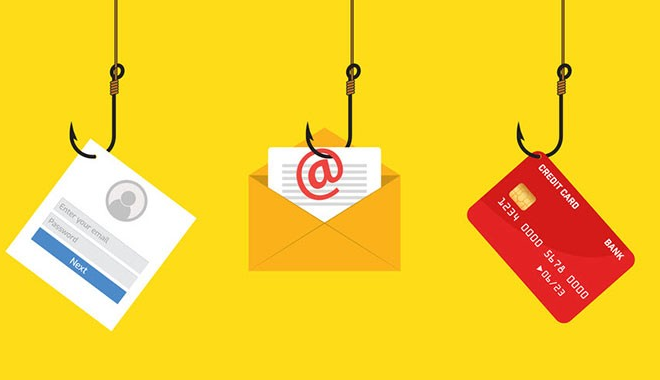
Phishing scams involve scammers creating fake emails or websites that look legitimate, such as a banking website or social media platform. The emails will often ask for personal information such as usernames, passwords, and bank account details, leading the recipient to believe there is a problem with their account. Unfortunately, once the information is provided, scammers can use it to gain access to the victim’s accounts or sell the information on the dark web.

  1. Spamming

Spamming is a common tactic used by scammers to send unsolicited emails to large numbers of people. These emails may contain links to malicious websites or try to advertise illegal services or products. The purpose of spamming is to convince recipients to purchase goods and services or provide personal details.

  1. Identity Theft

Identity theft occurs when a scammer obtains information such as a name, address, date of birth, and social security number to impersonate someone for financial gain. They can use this information to open bank accounts, credit cards, and loan applications, often leaving the victim with a damaged credit score.

  1. Malware

Malware is malicious software designed to damage, disrupt, or gain unauthorized access to individual computer systems. Scammers can use emails containing attachments or links to spread malware, often disguised as legitimate software updates or anti-virus programs.

  1. Business Email Compromise

Business email compromise involves scammers impersonating a company’s executive or employee to request a transfer of funds, typically to an overseas account. They will often create an email address that is similar to the real one, making it difficult to spot the difference. In some instances, companies have lost millions of dollars to this scam.


Previous Article

Best Free Apps to Turn Selfies Into ...

Next Article

How to Put Apps to Sleep on ...

Matthew Lynch

Related articles More from author

  • Cybersecurity

    Best Phishing Training Options for You and Your Employees

    March 26, 2024
    By Matthew Lynch
  • Cybersecurity

    Beaconing 101: What Is Beaconing in Security?

    June 12, 2023
    By Matthew Lynch
  • Campus SecurityCybersecurity

    In Cybersecurity, There’s No Such Thing as Too Much User Education

    February 17, 2022
    By Matthew Lynch
  • Cybersecurity

    Don’t Be the Victim of an Email Bomb! Here’s What You Need to Know

    June 15, 2023
    By Matthew Lynch
  • Cybersecurity

    Protect Your Passwords With This $20 Discount on Dashlane Premium

    February 1, 2024
    By Matthew Lynch
  • Cybersecurity

    Apple Shares Cybersecurity Breach Report Amid Push for Encryption

    February 4, 2024
    By Matthew Lynch

Search

Login & Registration

  • Register
  • Log in
  • Entries feed
  • Comments feed
  • WordPress.org

Newsletter

Signup for The Tech Edvocate Newsletter and have the latest in EdTech news and opinion delivered to your email address!

About Us

Since technology is not going anywhere and does more good than harm, adapting is the best course of action. That is where The Tech Edvocate comes in. We plan to cover the PreK-12 and Higher Education EdTech sectors and provide our readers with the latest news and opinion on the subject. From time to time, I will invite other voices to weigh in on important issues in EdTech. We hope to provide a well-rounded, multi-faceted look at the past, present, the future of EdTech in the US and internationally.

We started this journey back in June 2016, and we plan to continue it for many more years to come. I hope that you will join us in this discussion of the past, present and future of EdTech and lend your own insight to the issues that are discussed.

Newsletter

Signup for The Tech Edvocate Newsletter and have the latest in EdTech news and opinion delivered to your email address!

Contact Us

The Tech Edvocate
910 Goddin Street
Richmond, VA 23231
(601) 630-5238
[email protected]

Copyright © 2025 Matthew Lynch. All rights reserved.