Virginia’s 2026 Redistricting Amendment: Fair Maps or Political Divide?
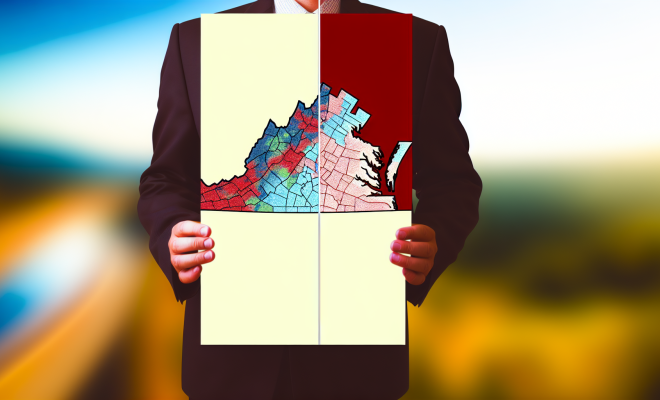
As the 2026 elections approach, one of the most contentious issues on the ballot in Virginia is the proposed redistricting amendment. This amendment, which aims to reshape how congressional and state legislative districts are drawn, has ignited passionate debates among politicians and voters alike. With supporters and detractors rallying for their causes, the implications of this amendment for fair representation and the future of Virginia’s political landscape are under intense scrutiny.
Understanding the Redistricting Amendment
Published on April 11, 2026, the Virginia redistricting amendment seeks to reform the current process by which district lines are drawn. Traditionally, this has been a politically charged process, often allowing the party in power to manipulate district boundaries to their advantage, a practice known as gerrymandering. The proposed amendment aims to establish a more independent and transparent method for redistricting.
Key Features of the Amendment
- Independent Commission: The amendment proposes the creation of an independent commission responsible for drawing district lines. This commission would be composed of citizens rather than politicians, aiming to minimize partisan influence.
- Transparency Requirements: The commission would be required to hold public hearings and provide opportunities for citizen input, ensuring that the redistricting process is open and accountable.
- Criteria for Districts: The amendment stipulates that districts must be drawn fairly, considering factors like population equality and community boundaries, to uphold the principle of fair representation.
Public Reaction and Division
Despite the amendment’s intention to promote fairness, public opinion on the matter remains deeply divided. While many voters see the potential for a more equitable redistricting process, others are skeptical about the effectiveness of an independent commission.
Supporters’ Arguments
Proponents of the amendment argue that it represents a necessary step towards eliminating gerrymandering in Virginia. They contend that an independent commission would foster greater accountability and transparency in the political process. “This amendment is a chance to take power away from politicians and put it back in the hands of the people,” stated a local political leader during a recent rally in support of the amendment.
Supporters also emphasize the importance of fair representation in a democratic society. By ensuring that district lines are drawn based on community needs rather than political gain, they argue that voter engagement and trust in the electoral process will increase.
Opposition Concerns
Conversely, opponents of the amendment express concerns about its potential ramifications. Some argue that the establishment of an independent commission could lead to bureaucratic inefficiencies and a lack of accountability. Critics also worry that the criteria for determining district boundaries could be too vague, potentially allowing for new forms of manipulation.
One vocal opponent stated, “While the idea of an independent commission sounds good in theory, it could lead to unintended consequences that may ultimately harm the very voters it seeks to protect.” This sentiment resonates with a segment of the population that fears any change to the status quo could inadvertently disenfranchise certain groups.
Partisan Politics and the Broader Context
The debate surrounding the Virginia redistricting amendment is not occurring in a vacuum. It is part of a larger national conversation about representation and political fairness. Recently, discussions have emerged regarding the Democratic Party’s embrace of diversity, equity, and inclusion (DEI) as integral American values in politics. This context has heightened awareness around issues of representation, particularly among marginalized communities.
The Intersection of DEI and Redistricting
Advocates for the amendment often tie their arguments to the broader narrative of DEI, asserting that fair redistricting is essential to achieving true representation for all Virginians. They argue that a diverse and inclusive approach to electoral districts will not only reflect the state’s demographics but also empower underrepresented voices in the political arena.
On the flip side, opponents caution that the conflation of DEI with redistricting could complicate the discussion. They argue that while diversity is important, it should not be the sole criterion for drawing district lines, as this could lead to further polarization and division among voters.
Looking Ahead: What’s Next?
As the election date nears, the fate of the Virginia redistricting amendment remains uncertain. Voter sentiment is likely to shift as more information becomes available and as campaigns for and against the amendment ramp up. With rallies, ads, and community discussions expected to intensify, the outcome will depend heavily on voter engagement and turnout.
Ultimately, the amendment symbolizes a critical juncture in Virginia politics, reflecting broader national trends regarding representation and democracy. Whether voters will embrace this new approach to districting or reject it in favor of the familiar remains to be seen. What is clear, however, is that the conversation surrounding the amendment will continue to shape Virginia’s political landscape for years to come.