Greenland’s Ice Sheet Melts at Unprecedented Rates in 2026
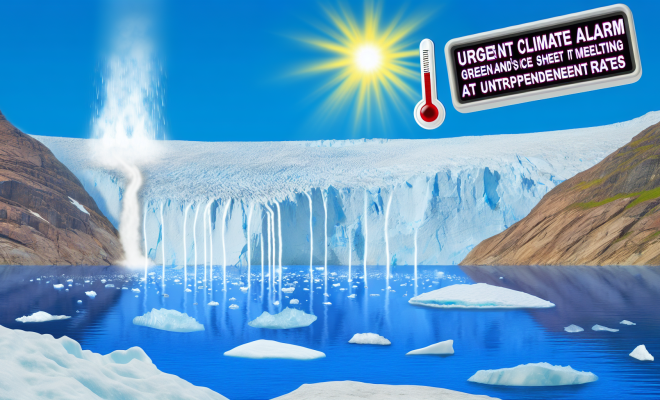
The Greenland ice sheet, a colossal expanse of ice that has stood for millennia, is now undergoing an alarming transformation. Recent reports indicate that the rate of ice melting has surged to unprecedented levels, raising significant concerns among scientists and environmentalists alike. As of April 6, 2026, the alarming acceleration of ice loss from Greenland not only poses a threat to the local ecosystem but also has far-reaching implications for global sea levels.
The Accelerating Meltdown
Scientists have long monitored the Greenland ice sheet, which covers roughly 1.7 million square kilometers. However, the latest findings reveal that the rate of melting is accelerating at an alarming pace. Warmer temperatures, altered weather patterns, and other climate-related factors are driving this rapid decline, leading to a significant increase in ice loss. This trend is particularly concerning as it is not just a temporary fluctuation but appears to be part of a broader, more persistent change.
Impact on Global Sea Levels
The accelerated melting of the Greenland ice sheet is a critical contributor to global sea-level rise, which poses a direct threat to coastal communities worldwide. According to estimates from climate scientists, the ice sheet’s contribution to rising sea levels has been significant over the past few decades, and the current acceleration could lead to even more dire outcomes.
Each year, the Greenland ice sheet sheds millions of tons of ice, and as this process continues to accelerate, scientists warn that we could see a dramatic increase in sea levels. Low-lying areas, particularly in regions such as Bangladesh, the Maldives, and parts of the United States, face the risk of devastating flooding and land loss. As the ice melts, the increased volume of water in the oceans poses a systemic risk to both human populations and natural ecosystems.
Driving Forces Behind the Melting
Several factors contribute to the rapid melting of the Greenland ice sheet:
- Rising Temperatures: Global warming is primarily responsible for the increasing temperatures in Greenland, which have been recorded at levels well above the long-term averages.
- Changing Weather Patterns: Altered atmospheric conditions are leading to shifts in precipitation and temperature, further exacerbating the melting of the ice sheet.
- Ocean Currents: Warmer ocean waters are melting the ice from below, particularly along the edges of the ice sheet, which are more vulnerable to temperature changes.
- Feedback Loops: As ice melts, it exposes darker surfaces that absorb more sunlight, creating a feedback loop that accelerates further melting.
Global Repercussions
The implications of Greenland’s ice loss extend far beyond its immediate environment. Rising sea levels threaten to displace millions of people, disrupt ecosystems, and strain resources in coastal regions. Additionally, the influx of freshwater from melting ice is altering ocean circulation patterns, which could have unpredictable effects on global climate systems.
Countries that are particularly vulnerable to rising sea levels are already taking measures to mitigate the impacts. However, the scale of the problem calls for a coordinated global response to address the root causes of climate change. Without urgent action to reduce greenhouse gas emissions, the situation is likely to worsen.
The Call for Action
Scientists are sounding the alarm bells, urging policymakers and the public to acknowledge the gravity of the situation. The accelerated melting of the Greenland ice sheet is a clear indicator of the urgent climate crisis we face. As the effects of climate change become increasingly apparent, it is crucial for governments, industries, and individuals to implement strategies that prioritize sustainability and environmental protection.
Efforts to curb emissions, invest in renewable energy, and promote sustainable practices are more critical than ever. Collaborative international initiatives, such as the Paris Agreement, aim to limit global temperature rise and mitigate the impacts of climate change. However, meeting these goals requires a concerted effort from all sectors of society.
Conclusion
As scientists continue to observe the rapid changes occurring in Greenland, the urgency for action grows stronger. The accelerated melting of the ice sheet serves as a stark reminder of the realities of climate change and the need for immediate, effective measures to address this global challenge. With rising sea levels posing an imminent threat to countless communities, the time for decisive action is now.