Oregon Faces Heightened Drought and Wildfire Risks Amid Alarming Climate Trends
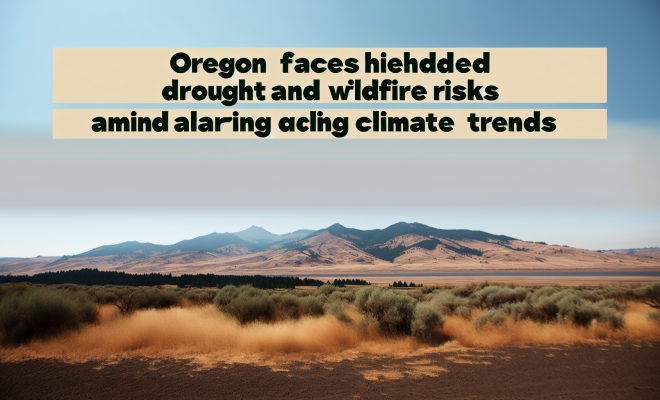
As the summer months approach, Oregon is bracing for a challenging season marked by increased drought and wildfire risks, a situation exacerbated by the mild winter that has just passed. The National Oceanic and Atmospheric Administration (NOAA) has released a climate outlook indicating that this year may see conditions similar to those of the historic drought years, raising concerns for both residents and wildlife alike.
Record Warmth and Low Snowpack
This winter has been one for the record books, tying with 1934 as the warmest on record for the state. According to NOAA, the snowpack levels across Oregon are alarmingly low, sitting at just one-third of the normal levels for this time of year. Snowpack plays a vital role as a natural water reservoir, storing moisture that is gradually released as temperatures rise and snow melts. However, with the current levels nearing empty, state officials are preparing for the repercussions.
State Climatologist’s Warning
Oregon’s state climatologist, Larry O’Neill, has emphasized the serious implications of these climatic trends. He explains that the dwindling snowpack threatens not only the water supply for households and agriculture but also poses significant risks to the environment. As the snowpack diminishes, the state could face prolonged drought conditions that are detrimental to ecosystems and wildlife.
Governor’s Proactive Measures
In response to the alarming forecasts, Oregon Governor Tina Kotek has taken decisive action by issuing an early executive order on March 31, declaring drought emergencies in three eastern Oregon counties. This early declaration marks a shift in the state’s approach to managing water resources and responding to climate challenges, occurring earlier than similar declarations in both 2024 and 2025.
Drought’s Impact on Wildlife
The implications of prolonged drought are far-reaching, particularly for cold-water fish species such as salmon and trout. These species rely on cooler water temperatures to thrive, and as drought conditions persist, waterways warm significantly, leading to increased vulnerability to diseases. The strain on aquatic ecosystems can disrupt breeding patterns and lead to population declines, which raises alarms for conservationists and fishing communities alike.
Preparing for Wildfire Season
With drought conditions comes an increased risk of wildfires, a threat that Oregon has faced in recent years. The state has been preparing for a potential uptick in wildfire activity by enhancing coordination among firefighting agencies and improving community preparedness. Residents are urged to take proactive measures to protect their homes and properties from potential wildfires, including:
- Creating defensible space around homes by clearing flammable vegetation.
- Installing non-combustible roofing materials and landscaping with fire-resistant plants.
- Staying informed about local fire regulations and evacuation routes.
Community Engagement and Resources
Local governments and organizations are working to engage communities in discussions about drought preparedness and wildfire prevention. Educational programs are being developed to inform residents about the importance of water conservation and how to effectively prepare for wildfires. Resources are available through the Oregon Department of Forestry and local agencies, providing valuable information on best practices for reducing fire risk.
Looking Ahead: Climate Change and Future Implications
The current situation in Oregon serves as a stark reminder of the ongoing challenges posed by climate change. As global temperatures continue to rise, states across the U.S. may face similar scenarios of drought and environmental stress. The need for sustainable water management practices and proactive policymaking has never been more critical.
Call to Action
As Oregonians prepare for the potential challenges ahead, it is imperative for individuals, communities, and government officials to work collaboratively in addressing the impacts of climate change. By fostering a culture of preparedness and resilience, the state can better navigate the uncertain waters of an increasingly volatile climate.
In conclusion, the forecasts from NOAA are a wake-up call for Oregon, underscoring the urgent need for comprehensive strategies to mitigate the effects of drought and wildfires. As the summer approaches, the state must prioritize actions that safeguard both its natural resources and the well-being of its residents.