Urgent: A New Ransomware Scourge Just Doubled Demands – Here’s What You Need to Know for 2026

The digital battleground is shifting faster than many organizations can adapt, and as we look towards 2026, the forecast for cybersecurity threats is, frankly, unsettling. While the notion of a ‘cyber threat update’ might sound like just another routine industry bulletin, what’s unfolding right now demands immediate attention. We’re seeing a convergence of sophisticated attack vectors, unprecedented financial demands, and a dizzying pace of execution that’s redefining what it means to be secure. If you thought you had a handle on the landscape, prepare to re-evaluate.
Consider this: the average time an AI-driven attack takes to execute has plummeted to a mere 25 minutes. That’s less time than it takes to grab a coffee and check your email. This isn’t just an academic statistic; it represents a brutal reality for businesses unprepared for such rapid-fire assaults. The implications for critical infrastructure, financial stability, and even public safety are profound. Understanding these evolving cybersecurity threats in 2026 isn’t just about compliance; it’s about survival.
1. Gunra Ransomware’s Ascent: A RaaS Powerhouse
At the forefront of the current wave of cybersecurity threats is a new player that’s rapidly gaining notoriety: ‘Gunra ransomware.’ This isn’t just another piece of malicious code; it’s a sophisticated Ransomware-as-a-Service (RaaS) operation, meaning its creators provide the tools and infrastructure for others to launch attacks, often taking a cut of the ransom payments. This model significantly lowers the barrier to entry for cybercriminals, allowing even less technically skilled individuals to deploy devastating campaigns.
Gunra has quickly distinguished itself through its aggressive tactics and broad reach. Unlike some ransomware families that might focus on specific industries or regions, Gunra has cast a wide net, targeting critical sectors across the board. Its RaaS framework means it’s constantly evolving, with new affiliates adopting and adapting its core functionality, making it a highly dynamic and persistent threat. The sheer volume of attacks attributed to Gunra in recent months points to a well-resourced and highly organized criminal enterprise.
2. Double Extortion: The New Standard of Pain
What makes Gunra, and many of its contemporary ransomware brethren, particularly insidious is its reliance on ‘double extortion’ tactics. Gone are the days when encrypting your data was enough to strong-arm a payment. Now, attackers add an extra layer of pressure: before encrypting your systems, they exfiltrate sensitive data. This means even if you have impeccable backups and can restore your operations, you’re still vulnerable to the public release or sale of your confidential information.
This double threat creates an impossible dilemma for many organizations. Paying the ransom to regain access to systems doesn’t guarantee your data won’t be leaked, and refusing to pay means facing both operational paralysis and potentially devastating reputational damage and regulatory fines. It’s a calculated move by attackers to increase their leverage and ensure a higher success rate for their demands, making these cybersecurity threats in 2026 far more complex to mitigate.
3. Targeting Critical Sectors: Healthcare, Finance, Government, and Manufacturing Under Siege
The sectors currently bearing the brunt of Gunra and other advanced cybersecurity threats are precisely those we rely on most: healthcare, financial services, government, and manufacturing. These industries are attractive targets for several reasons. Healthcare, for instance, often operates with legacy systems, possesses highly sensitive patient data, and faces immense pressure to maintain operational continuity, making them prime candidates for swift payment demands. There’s a fuller look at the rise of ransomware threats.
Financial services, naturally, hold the keys to vast sums of money and critical economic infrastructure. Disrupting these systems can have cascading effects, impacting markets and public trust. Government agencies, too, are repositories of sensitive national data and critical public services, making them high-value targets. Manufacturing, with its reliance on interconnected operational technology (OT) systems and just-in-time supply chains, presents opportunities for widespread disruption and significant financial losses through halted production. The targeting of these sectors isn’t random; it’s a strategic choice designed to maximize impact and financial gain, highlighting the severity of cybersecurity threats in 2026.
4. The AI-Driven Attack Speed Revolution: 25 Minutes to Catastrophe
Perhaps one of the most alarming developments shaping cybersecurity threats in 2026 is the staggering speed of AI-driven attacks. We’re now seeing attacks execute in as little as 25 minutes. This isn’t just a marginal improvement for attackers; it’s a paradigm shift. Traditional security models, which often rely on human intervention or even automated systems designed for slower attack cycles, are simply outmatched.
Artificial intelligence and machine learning are being weaponized to automate reconnaissance, identify vulnerabilities, craft highly convincing phishing attempts, and even adapt attack vectors in real-time. This means the window for detection and response is shrinking dramatically. Organizations need to move beyond reactive defenses and embrace proactive, AI-powered security solutions that can identify and neutralize threats at machine speed, before they can fully entrench themselves.
5. Soaring Ransom Demands: Breaching the Million-Dollar Mark
The financial stakes in the ransomware game have never been higher. Initial ransom demands have surged by an eye-watering 47%, with the average demand now exceeding $1 million. This isn’t pocket change; it’s a significant financial hit that could cripple many small and medium-sized businesses, and even pose a substantial challenge for larger enterprises. The increase reflects the attackers’ growing confidence in their ability to disrupt and their understanding of the value of the data they compromise. (See: CDC Cybersecurity Resources.)
This escalation in demands puts immense pressure on executive teams. The decision to pay or not pay a seven-figure sum is fraught with ethical, financial, and operational considerations. It also highlights the urgent need for robust incident response plans and comprehensive data recovery strategies that can bypass the need to engage with cybercriminals, thereby reducing the incentive for these exorbitant demands.
6. The Refusal to Pay: A Double-Edged Sword
Interestingly, despite the massive increase in ransom demands, a significant majority of businesses – 86% – are refusing to pay. This collective stance is a testament to improved backup strategies, better incident response capabilities, and perhaps a growing understanding that paying doesn’t guarantee resolution and can even encourage further attacks. It’s a brave and often strategic decision, but it’s not without its own set of consequences.
While admirable, this refusal directly contributes to a spike in cyber insurance claims. When organizations don’t pay the ransom, they often turn to their insurance providers to cover the costs of recovery, legal fees, business interruption, and data breach notification expenses. This shift in financial burden has profound implications for the cyber insurance market, which is already grappling with an escalating number of incidents.
7. Cyber Insurance in Flux: Premiums Set to Skyrocket
The confluence of increased attack frequency, higher recovery costs (due to non-payment of ransoms), and the sheer volume of claims is creating a perfect storm for the cyber insurance industry. Insurers are facing unprecedented payouts, leading to a projected increase in premiums of 15-20% in 2026. This isn’t just a minor adjustment; it’s a substantial hike that will impact every organization seeking to protect itself against these burgeoning cybersecurity threats.
For businesses, this means the cost of doing business securely is going up. It also means that insurers will likely become much more stringent in their underwriting processes, demanding higher standards of cybersecurity hygiene from their policyholders. Organizations that can demonstrate robust security postures, comprehensive risk management, and effective incident response capabilities will likely fare better in negotiating premiums and securing adequate coverage. The market is ripe for innovation in ‘best cyber insurance policies’ that can adapt to this new reality.
8. The Rise of Supply Chain Attacks: A Hidden Backdoor
Beyond the direct assaults, one of the most insidious cybersecurity threats in 2026 is the escalating danger of supply chain attacks. These aren’t new, but their sophistication and frequency are alarming. Instead of breaching your defenses directly, attackers target a weaker link in your supply chain – a trusted software vendor, a service provider, or even a hardware manufacturer – to gain access to your systems. Think of the SolarWinds attack or the Kaseya VSA incident; these ripple effects can impact thousands of organizations simultaneously. See also cyber threats to infrastructure.
The challenge here is immense because you’re essentially relying on the security posture of dozens, if not hundreds, of third-party vendors. A single vulnerability in a widely used component or service can open a backdoor to an entire ecosystem. Organizations need to implement rigorous vendor risk management programs, conduct thorough due diligence on all third parties, and demand high cybersecurity standards from their partners. This includes contractual agreements on security controls, regular audits, and clear incident notification clauses. Without this, even the most robust internal defenses can be bypassed through a trusted, yet compromised, external connection.
9. The Deepfake Dilemma: Eroding Trust and Enabling Sophisticated Scams
As AI technology advances, so does its potential for misuse. Deepfakes, which are AI-generated or manipulated media that portray people saying or doing things they never did, are quickly moving from novelty to a serious cybersecurity threat. In 2026, we’ll see deepfakes weaponized for highly convincing social engineering attacks, identity theft, and corporate espionage.
Imagine a deepfake video call from your CEO instructing an urgent, unauthorized wire transfer, or a deepfake audio message from a high-ranking government official designed to spread misinformation and cause panic. These attacks exploit our inherent trust in visual and auditory cues. Organizations need to educate employees about the existence and dangers of deepfakes, implement robust verification protocols for high-stakes transactions or information, and consider technologies that can detect AI-generated content. The erosion of trust caused by deepfakes could have far-reaching implications, making it harder to discern reality from sophisticated fabrication in the digital realm.
10. Quantum Computing’s Shadow: A Future Cryptographic Crisis
While perhaps not an immediate “2026” crisis, the shadow of quantum computing looms large over future cybersecurity threats. Quantum computers, once fully realized, will have the power to break many of the cryptographic algorithms that currently secure our data, communications, and financial transactions – think RSA and ECC. This isn’t theoretical; it’s a fundamental challenge to the bedrock of modern digital security.
Organizations need to start preparing now for the post-quantum cryptography era. This involves assessing their cryptographic inventory, identifying systems that rely on vulnerable algorithms, and beginning the arduous process of transitioning to quantum-resistant encryption standards. While we might not see widespread quantum computers by 2026, the data stolen today could be decrypted tomorrow. The time to develop a quantum readiness strategy is now, especially for long-lived data or critical infrastructure, to avoid a cryptographic crisis down the line.
Navigating the Storm: Prioritizing Your Defenses Against Cybersecurity Threats in 2026
Given the rapidly evolving landscape of cybersecurity threats in 2026, organizations need to critically assess and bolster their defenses. This isn’t about throwing money at every new tool; it’s about strategic prioritization and fostering a culture of security from the top down. Here’s where your focus should be: (See: New York Times on Ransomware Trends.)
Robust Backup and Recovery Strategies
First and foremost, your ability to recover from an attack without paying a ransom is your strongest defense. This means implementing a 3-2-1 backup strategy: at least three copies of your data, stored on two different media types, with one copy offsite and offline (air-gapped). Regularly test your recovery processes to ensure they work under pressure. Can you restore critical systems within your acceptable recovery time objective (RTO)? What about your recovery point objective (RPO)? These aren’t just technical questions; they’re business continuity imperatives.
Beyond simple backups, consider immutable storage solutions that prevent data from being altered or deleted, even by ransomware. Segment your networks to limit lateral movement of attackers, and ensure your backups are completely isolated from your production environment. The goal is to make your data so resilient that the threat of encryption becomes a minor inconvenience, not a catastrophic event.
Proactive Threat Intelligence and Zero-Day Preparedness
The speed of AI-driven attacks and the constant emergence of new threats like Gunra demand a proactive stance. Organizations need to invest in advanced threat intelligence platforms that can provide early warnings about emerging vulnerabilities and attack campaigns. This includes monitoring dark web forums, subscribing to industry-specific threat feeds, and participating in information-sharing groups.
Zero-day exploits, which are vulnerabilities unknown to software vendors, remain a significant concern. While they can’t be patched proactively, a strong security posture includes endpoint detection and response (EDR) and extended detection and response (XDR) solutions that can identify anomalous behavior indicative of zero-day exploitation. Application whitelisting, least privilege access, and micro-segmentation can also limit the blast radius of such attacks. Regular penetration testing and red teaming exercises can help uncover vulnerabilities before attackers do.
Strengthening Identity and Access Management (IAM)
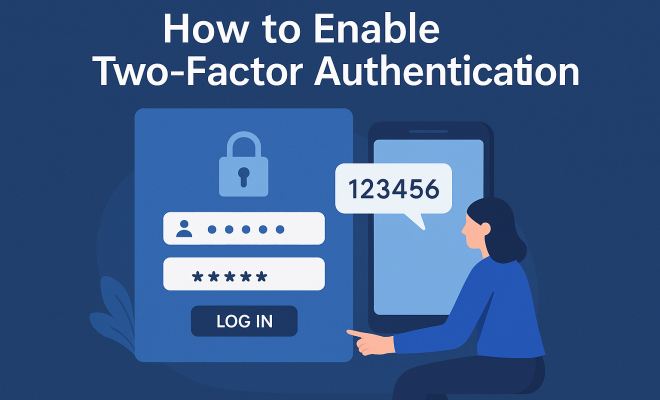
Weak credentials and compromised accounts are still primary vectors for many attacks. Implementing strong Identity and Access Management (IAM) practices is non-negotiable. This includes multi-factor authentication (MFA) for all users, especially for privileged accounts and remote access. Regular audits of user permissions, removal of stale accounts, and adherence to the principle of least privilege are crucial.
Consider advanced IAM solutions that incorporate behavioral analytics to detect unusual login patterns or access attempts. Privileged Access Management (PAM) systems are essential for securing accounts with elevated permissions, often the keys to the kingdom for attackers. The more friction you can create for an attacker trying to gain unauthorized access, the better your chances of preventing a breach.
Employee Training and Awareness
Humans remain the weakest link in many security chains. Regular, engaging, and relevant cybersecurity awareness training is vital. This goes beyond annual slideshows; it means simulated phishing campaigns, regular reminders about social engineering tactics, and fostering a culture where employees feel comfortable reporting suspicious activities without fear of reprisal. Educate your staff on the dangers of clicking on unknown links, opening suspicious attachments, and the importance of strong, unique passwords. Related reading: Blackmamba's healthcare targeting.
Focus on specific threats relevant to your industry and current attack trends. If a new ransomware strain like Gunra is prevalent, explain what it is and how it typically spreads. An informed workforce is your first line of defense, capable of identifying and thwarting many common attack vectors before they can even reach your technical defenses.
Incident Response Planning and Business Continuity
It’s no longer a matter of if, but when, an organization will face a significant cyber incident. A well-defined and regularly tested incident response plan is paramount. This plan should outline clear roles and responsibilities, communication protocols (internal and external), steps for containment, eradication, recovery, and post-incident analysis. Partnering with a specialized ‘ransomware recovery services’ provider can significantly reduce recovery times and costs.
Integrate your incident response plan with your broader business continuity and disaster recovery strategies. How will you continue critical operations if your primary systems are compromised? What are your manual workarounds? Having these answers beforehand can mean the difference between a temporary disruption and a catastrophic business failure. The high commercial intent for ‘business continuity solutions’ underscores the market’s recognition of this critical need. (See: WHO Information Security Fact Sheet.)
The Path Forward
The cybersecurity landscape of 2026 is one of heightened risk, accelerated threats, and escalating costs. The rise of Gunra ransomware, the pervasive nature of double extortion, the targeting of critical sectors, and the terrifying speed of AI-driven attacks are not just headlines; they are stark realities that demand a robust, adaptive, and proactive response. Ignoring these trends is no longer an option. This builds on JPMorgan's cybersecurity warnings.
Organizations must invest strategically in their defenses, focusing on resilience, rapid recovery, and continuous vigilance. The projected increase in cyber insurance premiums serves as a clear indicator of the market’s assessment of these risks. Those who prioritize their cybersecurity posture today will be best positioned to weather the storms ahead and emerge stronger in a digitally hostile world.
Frequently Asked Questions About Cybersecurity Threats in 2026
What are the top three cybersecurity threats expected in 2026?
The top three cybersecurity threats expected in 2026 are: 1) The continued dominance and evolution of sophisticated Ransomware-as-a-Service (RaaS) operations like Gunra, leveraging double extortion. 2) The alarming speed and adaptability of AI-driven attacks, capable of executing in minutes. 3) The escalating risk of supply chain attacks, where attackers compromise a trusted third-party vendor to access numerous organizations simultaneously. These threats combine to create a highly complex and dangerous environment for businesses.
How is AI changing the nature of cyberattacks?
AI is fundamentally changing cyberattacks by accelerating their speed, increasing their sophistication, and making them more adaptive. AI can automate reconnaissance, quickly identify vulnerabilities, craft highly convincing phishing emails, and even dynamically adjust attack vectors in real-time based on system responses. This means attacks can execute in a fraction of the time traditional human-led attacks would take, shrinking the window for detection and response to mere minutes. It allows attackers to scale their operations and overcome conventional defenses that rely on slower, human-centric reactions.
What is “double extortion” ransomware and why is it so effective?
“Double extortion” ransomware is a tactic where attackers not only encrypt an organization’s data, making it inaccessible, but also steal (exfiltrate) sensitive data before encryption. This creates a powerful secondary leverage point. Even if an organization has robust backups and can restore its systems, it still faces the threat of its confidential data being publicly released, sold on the dark web, or used for further blackmail. This dual pressure significantly increases the likelihood of a ransom payment, as organizations want to avoid both operational downtime and severe reputational damage, regulatory fines, and competitive disadvantage from a data leak.
Why are critical sectors like healthcare and manufacturing targeted?
Critical sectors like healthcare, finance, government, and manufacturing are attractive targets due to a combination of factors. Healthcare often deals with sensitive patient data, uses legacy systems, and has immense pressure to maintain continuity, making them likely to pay quickly. Financial services hold vast sums of money and are central to economic stability. Government agencies possess sensitive national data and provide essential public services. Manufacturing relies on interconnected operational technology (OT) and just-in-time supply chains, meaning disruptions can cause widespread economic damage and production halts. Attackers strategically target these sectors to maximize their impact and financial gain, knowing the high stakes involved.
What can organizations do to prepare for skyrocketing cyber insurance premiums?
To prepare for skyrocketing cyber insurance premiums, organizations should focus on strengthening their overall cybersecurity posture. This includes implementing robust security controls, regularly conducting risk assessments, and demonstrating a proactive approach to threat management. Specific actions include: enhancing employee training, implementing multi-factor authentication everywhere, establishing comprehensive backup and recovery plans (including immutable storage), segmenting networks, and having a well-defined and tested incident response plan. Insurers will increasingly demand evidence of strong security hygiene, so a demonstrable commitment to cybersecurity will be key to negotiating better rates and securing adequate coverage.
How important are employee training and awareness in mitigating future threats?
Employee training and awareness remain critically important, even with advanced technical defenses. Humans are often the weakest link, susceptible to social engineering tactics like phishing, which are increasingly sophisticated with AI assistance. Regular, engaging, and relevant training helps employees recognize and report suspicious activities, understand the risks of clicking unknown links or opening attachments, and practice good password hygiene. An informed workforce acts as a vital first line of defense, preventing many common attack vectors from ever reaching an organization’s technical infrastructure. It fosters a culture of security where everyone understands their role in protecting the organization.
Trending Now
Frequently Asked Questions
What is Gunra ransomware and how does it work?
Gunra ransomware is a sophisticated Ransomware-as-a-Service (RaaS) operation that provides tools and infrastructure for cybercriminals to launch attacks. Its model enables even less technically skilled individuals to deploy ransomware campaigns, making it a significant threat across various industries.
Why are ransomware demands increasing?
Ransomware demands are increasing due to the evolving tactics of cybercriminals and the growing profitability of these attacks. The emergence of operations like Gunra ransomware, which allow more attackers to enter the field, has led to higher ransom amounts as attackers capitalize on vulnerabilities.
How quickly can AI-driven ransomware attacks execute?
AI-driven ransomware attacks can execute in as little as 25 minutes, highlighting the urgent need for organizations to enhance their cybersecurity measures. This rapid execution time poses a significant threat to businesses that are unprepared for such fast-paced assaults.
What sectors are most at risk from Gunra ransomware?
Gunra ransomware targets a wide range of sectors, including critical infrastructure and public safety. Its aggressive tactics and broad reach make it a significant risk for various industries, necessitating heightened vigilance and security measures.
What should organizations do to prepare for ransomware threats in 2026?
Organizations should reassess their cybersecurity strategies to address the evolving landscape of ransomware threats. This includes implementing advanced security protocols, conducting regular training for employees, and staying informed about the latest cyber threats to ensure better preparedness.
What did we miss? Let us know in the comments and join the conversation.