Critical Microsoft Defender Zero-Day Threatens Windows Security (2026)
Introduction
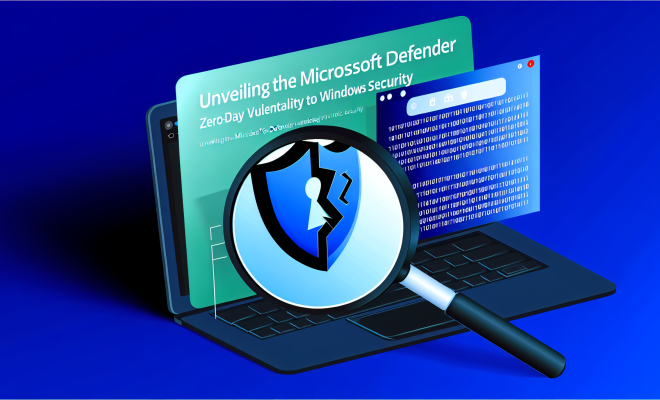
The cybersecurity landscape is in a constant state of evolution, with vulnerabilities emerging and being exploited at an alarming rate. One of the most pressing threats currently is a zero-day vulnerability discovered in Microsoft Defender, which has raised significant concern among security professionals and organizations worldwide. This article delves into the details of the vulnerability, its implications, and the necessary steps to mitigate the risks associated with it.
Understanding the Vulnerability
On April 23, 2026, security researchers reported a critical vulnerability within Microsoft Defender, the built-in antivirus and anti-malware component of the Windows operating system. This flaw allows attackers to exploit system weaknesses to access the Security Account Manager (SAM) database, enabling them to extract NT LAN Manager (NTLM) hashes. The ability to obtain these hashes poses a serious threat, as it can lead to unauthorized privilege escalation and credential theft.
The SAM Database
The Security Account Manager database is a crucial component of Windows security architecture, storing user accounts and security descriptors for users on the local machine. By exploiting the vulnerability in Microsoft Defender, threat actors can gain access to this sensitive information, which significantly increases their capabilities within the affected systems.
NTLM Hashes and Their Importance
NTLM is a challenge-response authentication protocol used by Windows systems. The NTLM hashes are cryptographic representations of user passwords, and if attackers gain access to these hashes, they can use them in pass-the-hash attacks to impersonate users and gain unauthorized access to systems and networks. This makes the extraction of NTLM hashes via the Microsoft Defender vulnerability particularly dangerous.
The Nature of Zero-Day Exploits
A zero-day exploit is a security vulnerability that is unknown to the software vendor and has not yet been patched. Cybercriminals often take advantage of these vulnerabilities to launch attacks before any defenses can be implemented. The recent Microsoft Defender vulnerability falls squarely into this category, highlighting the critical need for organizations to remain vigilant and proactive in their security measures.
Why Zero-Day Vulnerabilities Are So Dangerous
- Unpredictability: Zero-day vulnerabilities are often exploited unexpectedly, catching organizations off guard.
- High Impact: These vulnerabilities can lead to severe consequences, including data breaches, financial losses, and reputational damage.
- Limited Time for Defense: Once a zero-day is discovered, there is often a race against time for organizations to defend against it before it is widely exploited.
Current Threat Landscape
The discovery of the Microsoft Defender zero-day vulnerability is a stark reminder of the ongoing threats facing organizations reliant on Windows-based systems. Cybersecurity experts have long warned about the potential for vulnerabilities in widely used software to be exploited by malicious actors. With the rise of sophisticated cyberattacks, the need for robust security measures has never been more critical.
Attack Vectors and Exploitation Methods
Attackers typically employ various methods to exploit vulnerabilities, including:
- Phishing: Deceptive emails designed to trick users into clicking malicious links or downloading infected attachments.
- Malware: Software designed to infiltrate, damage, or disable computers and networks.
- Ransomware: A type of malware that encrypts files and demands a ransom for their release.
Implications for Organizations
The Microsoft Defender vulnerability presents significant implications for organizations of all sizes. As businesses increasingly rely on technology to operate, the risks associated with cybersecurity threats have grown exponentially. The ability of an attacker to gain system-level privileges through a vulnerability in a critical security component like Microsoft Defender underscores the importance of a comprehensive cybersecurity strategy.
Potential Consequences of the Exploit
- Data Breaches: Unauthorized access to sensitive data can lead to significant legal and financial repercussions.
- System Compromise: Gaining system-level privileges can allow attackers to install additional malicious software or exfiltrate data.
- Reputation Damage: Organizations that fall victim to such exploits may suffer long-term damage to their reputation.
Mitigation Strategies
In light of the Microsoft Defender zero-day vulnerability, organizations must implement robust security measures to protect their systems and data. Below are some effective strategies to mitigate the risks associated with this vulnerability:
1. Regular Updates and Patching
Keeping software, including antivirus programs like Microsoft Defender, up to date is crucial in protecting against known vulnerabilities. Regularly patching systems can help close security gaps and reduce the risk of exploitation.
2. User Education and Awareness
Organizations should invest in cybersecurity training for employees, educating them on recognizing phishing attempts, understanding the importance of strong passwords, and the potential risks of downloading software from untrusted sources.
3. Network Segmentation
Implementing network segmentation can limit the spread of an attack if a vulnerability is exploited. By isolating critical systems and data, organizations can reduce their exposure and potential impact.
4. Use of Multi-Factor Authentication (MFA)
Enforcing multi-factor authentication adds an additional layer of security, making it more challenging for attackers to gain unauthorized access, even if they obtain NTLM hashes.
5. Incident Response Planning
Organizations should develop and maintain an incident response plan to ensure they can effectively respond to a security breach. This includes having a clear communication strategy, roles and responsibilities, and recovery procedures.
Conclusion
The recent discovery of a zero-day vulnerability in Microsoft Defender serves as a critical reminder of the ever-evolving threat landscape in cybersecurity. As attackers increasingly exploit vulnerabilities in widely used software, organizations must remain vigilant and proactive in their security measures. By understanding the implications of such vulnerabilities and implementing effective mitigation strategies, businesses can better protect their systems and sensitive data from the threats posed by cybercriminals.
Call to Action
In light of the ongoing cybersecurity threats, organizations are encouraged to assess their current security posture and take the necessary steps to safeguard their systems. This includes regularly updating software, educating employees, and developing comprehensive incident response plans. The stakes are high, and a proactive approach to cybersecurity is essential in today’s digital landscape.