Unprecedented Surge in Tropical Peatland Wildfires: A 2000-Year Perspective
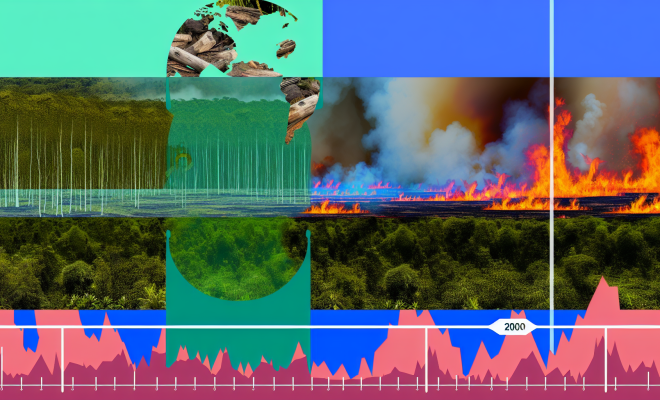
The alarming rise in wildfires within tropical peatlands has reached levels unprecedented in the last two millennia. A recent study conducted by researchers at the University has highlighted that these significant fires are largely driven by human activities, marking a stark contrast to centuries of decline in such events. This dramatic uptick not only jeopardizes the fragile ecosystems of tropical peatlands but also has profound implications for global climate change due to the vast amounts of greenhouse gases released when these carbon-rich environments are set ablaze.
Understanding Tropical Peatlands
Tropical peatlands are unique ecosystems formed by the accumulation of partially decayed organic matter in waterlogged conditions. These areas are incredibly rich in carbon, storing approximately 30% of the world’s soil carbon despite covering only about 3% of the Earth’s land surface. They serve as crucial carbon sinks, playing an essential role in mitigating climate change by absorbing carbon dioxide from the atmosphere.
The Rise of Wildfires
Historically, tropical peatland fires have been a rare occurrence due to the wet conditions that typically prevail in these regions. However, the study reveals a disturbing trend: the incidence of these fires has surged to the highest levels in 2000 years, primarily attributable to anthropogenic factors. Human activities such as land conversion for agriculture, deforestation, and the drainage of wetlands have significantly increased the vulnerability of these ecosystems to fire.
Key Findings from the Study
- Record Fire Levels: The study indicates that the frequency and intensity of peatland fires have surged dramatically, marking a significant departure from historical patterns.
- Human Influence: The research articulates that the resurgence of wildfires correlates closely with human activities, particularly the conversion of peatland for agricultural use and the draining of waterlogged areas.
- Greenhouse Gas Emissions: When tropical peatlands burn, they release enormous amounts of carbon dioxide and other greenhouse gases, which contribute to global warming and climate instability.
- Ecological Impact: The fires devastate local biodiversity, destroy habitats, and further complicate efforts to combat climate change.
The Climate Change Connection
The link between tropical peatland fires and climate change is deeply concerning. The combustion of these carbon-rich soils results in the release of substantial quantities of carbon dioxide, exacerbating the greenhouse effect. According to the research, the emissions from peatland fires can contribute significantly to annual global greenhouse gas totals, further intensifying climate-related challenges.
Global Implications
The implications of these findings extend far beyond the tropical regions. As the planet grapples with climate change, the ongoing destruction of peatlands could hinder global efforts to reduce carbon emissions. The current trajectory of peatland degradation suggests an urgent need to reassess policies related to land use and fire management.
Addressing the Crisis
The study underscores the necessity for immediate action to address the anthropogenic factors fueling the increase in peatland fires. Here are some recommended strategies:
- Restoration and Conservation: Investing in the restoration of degraded peatlands and implementing conservation practices can help restore their carbon storage capacity.
- Policy Revisions: Governments need to revise land-use policies that favor drainage and conversion of peatlands, promoting sustainable practices instead.
- Fire Management Strategies: Developing effective fire management strategies that include controlled burns and monitoring can mitigate the risk of uncontrolled wildfires.
- Community Engagement: Involving local communities in conservation efforts is crucial, as they often hold traditional knowledge that can aid in sustainable land management.
Conclusion
The resurgence of wildfires in tropical peatlands is a stark reminder of the impact of human activities on fragile ecosystems. With the frequency of these fires reaching levels unseen in 2000 years, the urgency to combat this trend cannot be overstated. Addressing the root causes of peatland degradation is essential not only for preserving biodiversity but also for mitigating climate change. The findings from this study serve as a wake-up call for policymakers, conservationists, and the global community to take decisive action before it is too late.