Baby’s First Words: Speech Milestones & When Babies Talk
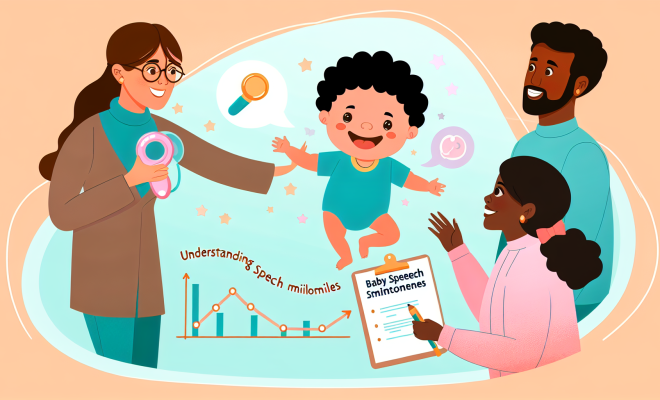
The journey of parenthood is filled with exciting milestones, and one of the most anticipated moments for parents is when their baby starts talking. This significant development is often a cause for both excitement and concern. According to pediatric speech-language pathologist Meghan Mingee, the timeline for when babies begin to communicate verbally can vary significantly, and understanding these milestones can help parents navigate this developmental phase with confidence.
Typical Milestones in Baby Speech Development
Most babies begin to articulate their first intentional words, such as ‘mama’ or ‘dada,’ around the age of 12 months. However, this timeline is not set in stone. It is essential to recognize that there is a wide range of what is considered normal. Some infants may start speaking as early as 9 months, while others may take until 15 months or more to say their first word.
The Importance of Context
When assessing speech development, it is crucial to consider the context in which babies communicate. Before verbal communication, infants typically engage in non-verbal ways to express their needs and emotions. For instance, babies might use gestures, facial expressions, and cries to convey their messages. These forms of communication are fundamental building blocks for later speech development.
Variations in Development
As parents observe their child’s speech development, it is essential to understand that each baby develops at their own pace. Delays in speech do not automatically indicate a long-term issue. According to Mingee, early speech delays can be quite common and may not reflect a significant developmental concern. Many children who initially show delays catch up with their peers over time.
Factors Influencing Speech Development
Several factors can influence when a baby begins to talk, including:
- Genetics: Family history of speech or language delays can impact a child’s development.
- Environment: A rich linguistic environment, where parents and caregivers engage with the child through talking, reading, and singing, can promote earlier speech development.
- Social Interaction: Opportunities for interaction with other children and adults can enhance a child’s verbal skills.
- Health Factors: Hearing impairments or other health issues may also affect a child’s ability to develop speech normally.
Encouraging Early Communication
Parents play a crucial role in fostering their child’s speech development. There are several strategies that caregivers can employ to encourage early communication:
- Talk Regularly: Engage in conversations with your baby throughout the day, even if they cannot respond yet. This helps them learn the rhythms and patterns of speech.
- Read Together: Reading aloud to your child is an excellent way to introduce them to language. Choose age-appropriate books and point to pictures to encourage recognition and vocabulary development.
- Sing Songs: Singing nursery rhymes and songs can help babies learn new words and improve their language skills through repetition.
- Encourage Imitation: Encourage your baby to imitate sounds and words. This playful interaction can boost their confidence and interest in speaking.
When to Seek Help
While variations in speech development can be typical, there are specific signs that may indicate the need for further evaluation. Parents should consider seeking professional advice if:
- Your child does not say any words by 15 months.
- Your child is not using gestures, such as waving or pointing, by 12 months.
- Your child does not seem to understand simple commands or questions.
- There are noticeable difficulties in making sounds or producing speech.
Early intervention can be critical in addressing potential speech and language issues. A speech-language pathologist can provide assessments and tailored strategies to support your child’s development.
Conclusion
The road to verbal communication is an exciting journey, filled with unique milestones. While most babies say their first words around 12 months, it is essential to remember that every child develops at their own pace. Understanding the typical timeline and encouraging early communication can help parents support their baby’s speech development effectively. If concerns arise, consulting with a professional can provide peace of mind and guidance. Celebrate each new word and sound your baby makes, as these are the first steps in a lifelong journey of communication!