Unbelievable: Global Digital Nomad Visas Just Got Brutally Tougher — But This Island Nation Offers a Stunning Escape
“`html
If you’re one of the millions who dream of working remotely from a sun-drenched beach or a vibrant European city, you’ve probably been watching the digital nomad visa space like a hawk. For years, it felt like the world was opening up, country after country rolling out the welcome mat for remote workers. But here’s the cold, hard truth: 2026 has marked a dramatic shift. The honeymoon, it seems, is over for many popular destinations. What was once a relatively straightforward process has become significantly more complex, riddled with stricter rules, increased scrutiny, and a few nasty surprises. See also tax tips for digital nomads.
Suddenly, those idyllic dreams are bumping up against bureaucratic walls and financial hurdles. Major players like Greece, the UAE, Spain, and even Indonesia, which pioneered many of these programs, have tightened their belts. We’re talking about changes that aren’t just minor tweaks; they’re fundamental shifts in how these programs operate, impacting everything from where you apply to how much tax you’ll actually pay. The conversation among remote workers and immigration lawyers, people like Ainhoa Manero and Luis Esteban, is buzzing with a mix of frustration and genuine concern. But amidst this tightening landscape, one island nation is quietly, and quite refreshingly, carving out a new path: Sri Lanka. The introduction of a new digital nomad visa Sri Lanka option offers a glimmer of hope, a potential haven for those feeling squeezed by the global crackdown.
The Great Digital Nomad Visa Tightening of 2026: What’s Happening?
Let’s not sugarcoat it: the era of easy-breezy digital nomad visas in many prime locations is largely behind us. What we’re witnessing in 2026 is a global trend towards stricter enforcement and more stringent requirements. Governments, having seen the initial influx of remote workers, are now refining their programs, often with an eye towards maximizing tax revenue, ensuring genuine high-income applicants, and curbing potential abuses. This isn’t just hearsay; it’s a measurable shift that’s leading to higher denial rates and a general increase in complexity across the board.
Consider the rationale behind this. Initially, many countries launched these visas as a way to boost their economies during and after the pandemic, attracting a new class of tourist who would stay longer and spend more. Now, with economies stabilizing and the initial novelty worn off, some nations are recalibrating. They want to ensure that digital nomads aren’t just passing through but are contributing meaningfully to the local economy, either through significant spending or, increasingly, through tax contributions. This recalibration is precisely why we’re seeing changes that are making it harder, not easier, to secure these coveted visas.
Greece: The End of In-Country Applications and Stricter Income Checks
Greece, a perennial favorite for its stunning islands and rich history, has made one of the most significant and impactful changes: it has eliminated in-country applications for its digital nomad visa. Let that sink in. This means you can no longer arrive in Greece as a tourist, fall in love with the olive groves, and then decide to apply for a digital nomad visa from within the country. This was a popular pathway for many, allowing them to test the waters before committing. Now, if you want to work remotely from Greece, you absolutely must secure a Type D national visa from a Greek consulate in your home country (or country of legal residence) before you even board your flight.
But the changes don’t stop there. Greece is also doubling down on its income requirements, which stand at a net €3,500 per month. Previously, while this figure was stated, the enforcement could sometimes be a little more lenient. Now, applicants are facing rigorous checks to prove this income, often requiring detailed bank statements, employment contracts, and tax returns. Any dependents you bring along will push that threshold even higher, requiring an additional 20% for a spouse and 15% for each child. This isn’t just about showing a payslip; it’s about demonstrating a consistent, verifiable income stream that meets their increasingly strict criteria. It’s a clear signal that Greece is looking for genuinely high-earning remote workers.
Spain’s ‘Tax Paradox’ and Social Security Headache
Spain’s digital nomad visa, launched with much fanfare, promised an attractive proposition, especially with its so-called ‘Beckham Law.’ This special tax regime offers a flat 24% income tax rate for six years on income earned in Spain, which sounds fantastic compared to standard Spanish progressive tax rates that can reach over 45% for high earners. However, many digital nomads are now discovering a significant catch, a ‘tax paradox’ that’s causing considerable angst.
The problem lies with social security contributions. While the Beckham Law provides a favorable income tax rate, it doesn’t exempt you from social security. As a full resident worker (which you effectively become on this visa), you are still required to pay into the Spanish social security system. This isn’t a small amount; it can be a substantial chunk of your income, easily adding hundreds of euros per month. What looked like a flat 24% quickly becomes much higher when you factor in these mandatory contributions. This nuanced detail, often overlooked in the initial excitement, is now leading to confusion and potential financial pitfalls for many. It’s a classic example of the devil being in the details, and immigration lawyers like Ainhoa Manero are spending a lot of time clarifying these complex implications for their clients.
The Ripple Effect: Increased Denials and Greater Scrutiny
These individual country changes aren’t isolated incidents; they’re symptomatic of a broader trend. Across the board, digital nomad visa applications are facing greater scrutiny. This means more requests for additional documentation, longer processing times, and, inevitably, increased denial rates. Governments are becoming more sophisticated in their vetting processes, employing better cross-referencing of financial data and more thorough background checks. They’re looking for genuine remote workers with stable finances, not just anyone with a laptop and a dream.
This heightened scrutiny also extends to the nature of your work. While most programs require you to work for a company outside the host country or be a self-employed individual with clients abroad, some countries are starting to pay closer attention to how ‘remote’ your work truly is. Are you genuinely serving international clients, or are you effectively competing with local workers for local jobs? These are the kinds of questions that are increasingly being asked, adding another layer of complexity to the application process. For aspiring digital nomads, this means meticulous preparation and a clear understanding of each country’s specific requirements are more critical than ever. (See: BBC article on digital nomad visas.)
Sri Lanka Steps Up: A Refreshing New Digital Nomad Visa Option
Against this backdrop of tightening regulations, Sri Lanka has emerged as a refreshing counter-narrative, introducing a new digital nomad visa option that stands out for its relative simplicity and attractive lifestyle proposition. While other nations are raising barriers, Sri Lanka seems to be lowering them, inviting remote workers to experience its unique blend of culture, natural beauty, and affordability. This makes the digital nomad visa Sri Lanka a particularly enticing prospect right now.
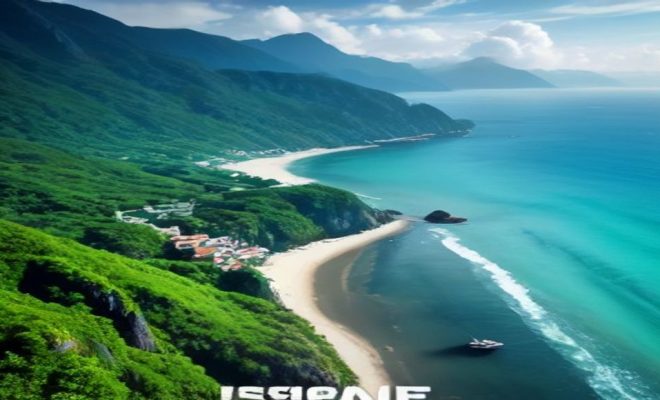
Why Sri Lanka, and why now? The island nation, known for its pristine beaches, ancient temples, lush tea plantations, and incredible wildlife, has been working hard to rebuild its tourism sector and attract foreign investment. Recognizing the growing global trend of remote work, they’ve clearly identified digital nomads as a valuable demographic. By offering a dedicated visa, they’re signaling a clear intent to welcome these long-term visitors who contribute to the economy without directly competing for local jobs. It’s a strategic move to diversify their visitor base and inject new vitality into various sectors.
The Appeal of Sri Lanka for Remote Workers
Beyond the visa itself, Sri Lanka offers a compelling package for digital nomads. First and foremost, the cost of living is remarkably low compared to Western countries and even many popular digital nomad hubs in Southeast Asia. Your money simply goes further here, allowing for a higher quality of life, whether that means renting a spacious apartment, enjoying delicious local cuisine, or exploring the island’s many wonders. Imagine fresh seafood dinners for a few dollars, or a comfortable stay in a boutique guesthouse for a fraction of what you’d pay in, say, Lisbon or Bali.
Then there’s the lifestyle. Sri Lanka boasts a diverse landscape that caters to all sorts of interests. Surfers flock to the southern coast, while hikers explore the central highlands. Culture enthusiasts can delve into ancient cities like Sigiriya and Anuradhapura, and wildlife lovers can spot elephants and leopards in national parks. The internet infrastructure, particularly in major towns and tourist areas, is surprisingly robust, offering reliable connectivity for remote work. The people are known for their hospitality, and English is widely spoken in tourist zones, making daily life and integration relatively easy. For those seeking a vibrant, affordable, and culturally rich experience without the bureaucratic headaches, the digital nomad visa Sri Lanka is a serious contender.
Navigating the New Landscape: Essential Advice for Aspiring Digital Nomads
So, what does all this mean for you, the aspiring or current digital nomad? It means you need to be more informed, more prepared, and more strategic than ever before. The days of last-minute applications or casual approaches are largely over for many top destinations. Here’s some actionable advice to help you navigate this increasingly complex landscape.
Do Your Homework — Thoroughly
This cannot be stressed enough. Before you even think about buying a plane ticket, dive deep into the specific requirements of your target country’s digital nomad visa program. Don’t rely on old blog posts or anecdotal evidence from a few years ago. Go straight to the official government immigration websites. Look for the most recent updates, as rules, especially around income thresholds and application procedures, are subject to change without much notice. Check forums and reliable expat groups for recent experiences, but always cross-reference with official sources. Understanding the nuances, like Greece’s new pre-travel application requirement or Spain’s social security implications, is absolutely critical.
Budget Realistically for Taxes and Social Security
The ‘tax paradox’ in Spain is a stark reminder that headline tax rates don’t always tell the whole story. When you’re calculating your potential expenses, you absolutely must factor in all mandatory contributions, including social security, healthcare, and any local taxes. In many countries, even if you’re working remotely for a foreign company, once you establish tax residency, you become subject to local laws. This can significantly impact your net income and quality of life. Seek advice from tax professionals specializing in international remote work – it’s an investment that can save you a fortune and prevent serious legal issues down the line. Don’t assume anything about your tax obligations; verify every detail.
Consider All-Inclusive Packages and Support Services
Given the increased complexity, many digital nomads are finding value in all-inclusive relocation packages or specialized support services. These can range from immigration lawyers who handle the entire visa application process to relocation agencies that help with everything from finding accommodation to setting up local banking and navigating local bureaucracy. While these services come at a cost, they can save you immense time, stress, and potential errors, particularly when dealing with intricate legal and financial requirements. For instance, when considering the digital nomad visa Sri Lanka, a local agency might offer invaluable insights into securing accommodation, understanding local customs, and connecting with the expat community.
The Importance of Community and Shared Knowledge
In this evolving landscape, the digital nomad community itself is becoming an even more vital resource. Online forums, social media groups, and dedicated platforms where remote workers share their experiences, challenges, and successes are invaluable. This collective knowledge can help you uncover recent changes, get tips on specific documentation, or simply find moral support when the bureaucracy feels overwhelming. However, always exercise caution and verify any information with official sources or legal professionals, as individual experiences can vary and rules are constantly shifting.
Platforms dedicated to comparing digital nomad visas and essential services are also gaining traction. Think of them as your personal travel agent and legal advisor rolled into one. These sites can help you compare income requirements, tax implications, application processes, and even the quality of life in different destinations. They often include reviews and insights from other nomads, offering a more holistic picture than government websites alone. When you’re evaluating options, especially something like the digital nomad visa Sri Lanka, these comparison tools can be incredibly helpful in making an informed decision.
Looking Ahead: What Does the Future Hold?
It’s clear that the digital nomad visa landscape is maturing, and with maturity comes a degree of formalization and stricter regulation. We’re likely to see more countries following suit, refining their programs to attract a specific type of remote worker – often those with higher incomes and a clear intention to contribute economically. The days of ‘visa hopping’ with minimal financial checks might be fading in many popular regions. (See: New York Times coverage of digital nomad visas.)
However, this doesn’t mean the dream is dead. Far from it. It simply means the digital nomad lifestyle is evolving. It demands greater preparation, a more robust financial plan, and a willingness to adapt. The shift also highlights opportunities in emerging destinations, like Sri Lanka, which are keen to embrace remote workers and offer attractive, less complicated pathways. As some doors become harder to open, others are just beginning to swing wide.
The key takeaway here is adaptation. The remote work revolution isn’t slowing down, but the bureaucratic frameworks around it are catching up. Those who stay informed, plan meticulously, and remain flexible will be the ones who continue to thrive in this exciting, albeit increasingly complex, global workspace. And who knows, perhaps your next great adventure, your next productive hub, lies on the beautiful shores of a nation like Sri Lanka, offering a warm welcome when others are tightening their grip.
Why Sri Lanka is a Smart Move for Digital Nomads Right Now
The current global climate for digital nomad visas makes Sri Lanka’s offering particularly strategic. While many established destinations are focused on maximizing tax revenue or regulating perceived abuses, Sri Lanka is prioritizing economic revitalization and a broader appeal. This results in a visa program that feels genuinely welcoming rather than restrictive. The application process, while still requiring due diligence, is generally less convoluted than what you’d encounter in, say, Portugal or Italy, where obtaining a NIF (tax number) and opening a local bank account can be a bureaucratic marathon before you even submit your visa application. Sri Lanka’s approach seems designed to smooth out these initial hurdles, recognizing that an easier entry means more remote workers will choose to set up base there.
Moreover, the island offers a unique blend of affordability and a high quality of life. You can rent a modern apartment in a city like Colombo or Galle for a fraction of the cost of a similar dwelling in a European capital. The local cuisine is incredibly diverse and inexpensive, making healthy eating accessible. Beyond just living costs, the sheer variety of experiences within a relatively small geographical area is a huge draw. You can spend your weekdays working from a co-working space in a bustling city, and your weekends exploring ancient ruins, hiking through tea estates, or relaxing on pristine beaches. This allows for a richer, more balanced lifestyle that often feels out of reach in more expensive or geographically monotonous destinations.
Understanding the Specifics of the Digital Nomad Visa Sri Lanka
While the exact, finalized details of the digital nomad visa Sri Lanka are still being rolled out and refined, early indications and government announcements point to a program aimed at simplicity and accessibility. Generally, you’ll need to demonstrate a stable income from outside Sri Lanka – the specific threshold is expected to be competitive and reasonable, likely in the range of $1,500 to $2,500 USD per month, lower than many European counterparts. You’ll also need valid health insurance covering your stay. The duration of the visa is anticipated to be for an initial period, perhaps six months to a year, with options for renewal, catering to both short-term explorers and those looking for a longer-term base.
The application process is expected to be primarily online or through Sri Lankan diplomatic missions abroad, streamlining the initial steps. Unlike some countries demanding extensive notarized documents and apostilles, Sri Lanka’s process aims to be more straightforward. This focus on ease of application is a significant differentiator, especially for first-time digital nomads or those who prefer to avoid complex legal processes. It reflects Sri Lanka’s proactive stance in attracting this demographic, understanding that a frictionless entry is a major incentive.
The Co-working and Digital Infrastructure Landscape
A crucial factor for any digital nomad is reliable internet and a supportive work environment. Sri Lanka has made significant strides in this area. Major cities like Colombo, Galle, and even popular coastal towns now boast a growing number of co-working spaces equipped with high-speed internet, ergonomic furniture, and a community atmosphere. These spaces provide a professional setting away from home, fostering collaboration and networking opportunities with other remote workers and local entrepreneurs.
Furthermore, the country’s mobile data network is robust, with widespread 4G coverage and increasing 5G deployment, especially in urban areas. This means you’re not solely reliant on Wi-Fi and can maintain connectivity while traveling or working from cafes. The power infrastructure is also generally reliable, though occasional outages can occur, making a UPS (Uninterruptible Power Supply) or a power bank a smart accessory. The government is actively investing in digital infrastructure, recognizing its importance for attracting foreign talent and boosting the tech sector, which bodes well for the future connectivity experience for digital nomads.
Cultural Immersion and Local Integration
Choosing a digital nomad destination isn’t just about the visa or the internet; it’s about the experience. Sri Lanka offers a profoundly enriching cultural immersion. From the vibrant street markets and aromatic spices to the ancient Buddhist temples and colonial architecture, there’s always something new to discover. Engaging with the local community is relatively easy, as Sri Lankans are generally warm, hospitable, and many speak English, particularly in tourist-centric areas. (See: WHO on migration and health.)
Learning a few basic phrases in Sinhala or Tamil, the local languages, goes a long way in showing respect and enhancing your daily interactions. Participating in local festivals, trying traditional cooking classes, or volunteering for a local cause can deepen your connection to the island. This level of cultural richness, combined with the affordability and natural beauty, creates a holistic experience that many digital nomads seek – a chance to truly live in a place, not just pass through it. The digital nomad visa Sri Lanka isn’t just about remote work; it’s about embracing a new way of life.
FAQ: Digital Nomad Visa Sri Lanka
Q1: What is the current income requirement for the Digital Nomad Visa Sri Lanka?
A1: While the precise, finalized income requirement is still being confirmed by the Sri Lankan authorities, current discussions and proposals suggest it will be in the range of $1,500 to $2,500 USD per month. This is notably more accessible than many European digital nomad visas, which often require €3,000 or more. It’s always best to check the official Sri Lankan immigration website for the most up-to-date figures as soon as the program is fully launched.
Q2: How long can I stay in Sri Lanka with this visa?
A2: The initial duration of the Digital Nomad Visa Sri Lanka is expected to be for a period of six months to one year. The government is planning options for renewal, allowing digital nomads to extend their stay if they wish to continue living and working remotely from the island. This flexibility caters to both those looking for a short-term experience and those seeking a longer-term base.
Q3: What kind of work is permitted under the Digital Nomad Visa Sri Lanka?
A3: The visa is designed for individuals who work remotely for companies or clients located outside of Sri Lanka. This means you cannot seek employment with a Sri Lankan company or directly compete for local jobs. It’s intended for freelancers, independent contractors, or employees of foreign companies whose work can be performed entirely online, generating income from international sources.
Q4: Do I need health insurance to apply for the Digital Nomad Visa Sri Lanka?
A4: Yes, health insurance is a mandatory requirement for the Digital Nomad Visa Sri Lanka. You will need to provide proof of valid health insurance that covers your entire stay in the country. It’s advisable to secure comprehensive international travel and health insurance that includes medical emergencies, hospitalization, and repatriation.
Q5: Is the internet reliable for remote work in Sri Lanka?
A5: Yes, Sri Lanka has significantly improved its internet infrastructure. Major cities like Colombo, Galle, and popular tourist areas offer reliable high-speed internet access, both through fixed-line connections and robust 4G/5G mobile networks. Many co-working spaces and cafes also provide excellent connectivity. While occasional power outages can happen, overall, the internet is generally sufficient for remote work needs.
Q6: Will I have to pay taxes in Sri Lanka on my foreign income?
A6: The tax implications for digital nomads vary by country and are often complex. While the digital nomad visa Sri Lanka is designed for income earned from outside the country, once you establish tax residency (which typically happens if you stay for a certain period, often 183 days or more in a tax year), you may become subject to Sri Lankan tax laws on your worldwide income. It’s absolutely critical to consult with a tax professional specializing in international taxation to understand your specific obligations before or upon arrival.
“`
Trending Now
- our breakdown of urgent warning: this critical flaw will instantly expose your sonicwall sma 1000 to ransomware
- This Crucial Mistake Lets Ransomware Devastate Your Business — Are You Making It?
- One Day to Exploit: AI Threat…
- The Unseen AI Threat: How to Shield Your Small Business Before It’s Too Late
Frequently Asked Questions
Why are digital nomad visas becoming tougher?
Digital nomad visas are becoming tougher due to governments tightening regulations to maximize tax revenue, ensure that applicants are genuinely high-income, and prevent potential abuses. This shift reflects a broader trend in 2026 where many popular destinations are reevaluating their visa programs.
What changes have been made to digital nomad visas in 2026?
In 2026, many countries have implemented stricter rules and increased scrutiny on digital nomad visa applications. Changes include more complex application processes, higher tax obligations, and stricter eligibility requirements, particularly in popular destinations like Greece, the UAE, and Spain. (2026 remote work tax changes)
Which country offers a new digital nomad visa in 2026?
Sri Lanka has introduced a new digital nomad visa option in 2026, providing a refreshing opportunity for remote workers seeking an escape from the tightening regulations in other countries. This initiative aims to attract digital nomads looking for a welcoming environment.
How can I apply for a digital nomad visa in Sri Lanka?
To apply for a digital nomad visa in Sri Lanka, interested individuals should check the official immigration website for the latest requirements, gather necessary documentation, and submit their application through the designated channels. Details may vary, so it's essential to stay updated.
What are the benefits of working remotely from Sri Lanka?
Working remotely from Sri Lanka offers numerous benefits, including stunning beaches, vibrant culture, and a relatively low cost of living. The new digital nomad visa also provides flexibility for remote workers seeking a balance between work and leisure in a beautiful setting.
What's your take on this? Share your thoughts in the comments below — we read every one.