Typhoon Dujuan Triggers Unprecedented Tokyo Game Show 2026 Cancellation – What It Means for Gaming’s Future
“`html
Typhoon Dujuan’s Unexpected Interference with Tokyo Game Show 2026
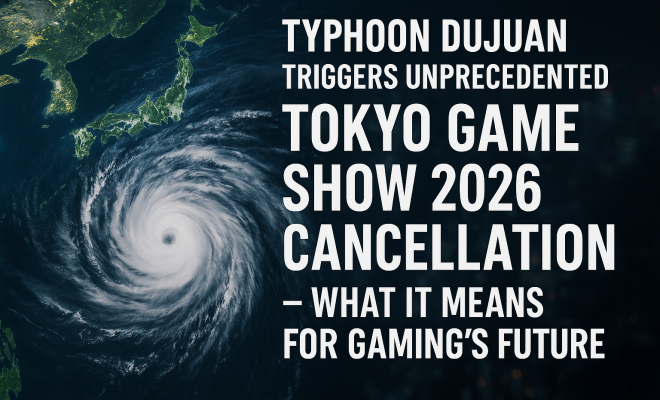
It was supposed to be a landmark occasion. The Tokyo Game Show (TGS) 2026, celebrating its 30th anniversary, had ambitious plans for its longest run ever: a sprawling five-day spectacle designed to immerse gamers, developers, and industry professionals in the cutting edge of interactive entertainment. But Mother Nature, as she often does, had other ideas. Just as the event was hitting its stride, the organizers were forced to make a difficult, yet entirely necessary, decision: cancel the final public day, Monday, September 21st, due to the impending arrival of Typhoon No. 25, ominously named Dujuan. This sudden turn of events for Tokyo Game Show 2026 sent ripples of disappointment and understanding across the globe, underscoring the formidable logistical hurdles that even the most meticulously planned large-scale events face in the shadow of natural disasters.
The announcement came with a heavy heart from the organizing committee, but their rationale was clear and unwavering: the safety of attendees, exhibitors, and staff was paramount. With forecasts predicting strong winds, torrential rain, and the almost inevitable disruption of public transportation across the Kanto region, pressing ahead would have been irresponsible. Imagine thousands of people stranded, attempting to navigate treacherous conditions, or worse, putting themselves in harm’s way just to catch a glimpse of a new game demo. It’s a scenario no event organizer wants to contemplate, let alone facilitate. The swift action, while a letdown for many, was a testament to a commitment to public welfare over profit or schedule.
The Unfolding Drama: A Five-Day Dream Cut Short
The Tokyo Game Show 2026 was envisioned as a grand celebration, extending its traditional four-day format to an unprecedented five. This expansion was a clear signal of the industry’s growth and TGS’s enduring significance as a global platform. The extra day, specifically Monday, September 21st, was intended to give even more fans a chance to experience the latest titles, connect with creators, and soak in the unique atmosphere that only TGS can offer. For many, Monday tickets were a strategic choice, perhaps hoping for lighter crowds or simply being the only day they could attend.
The build-up to the 30th anniversary was palpable. Hype had been building for months, with leaks, official announcements, and developer diaries hinting at some truly groundbreaking reveals. Exhibitors had poured countless hours and significant financial investment into their booths, demos, and presentations. For many smaller independent studios, TGS represents a make-or-break opportunity to get their games in front of a massive audience and potential publishers. The cancellation of even a single day, especially the final public day, represents a substantial blow to these efforts, shortening their window of exposure and potentially impacting their networking opportunities.
Safety First: The Committee’s Difficult Decision
The decision to cancel wasn’t made lightly. The Computer Entertainment Supplier’s Association (CESA), co-organizers alongside Nikkei BP and Dentsu, operates TGS with a meticulous eye for detail. They would have been monitoring Typhoon Dujuan’s trajectory and intensity for days, if not longer, relying on the expertise of meteorological agencies. The choice to pull the plug on the final public day, September 21st, would have involved a careful weighing of numerous factors: the immediate danger posed by the typhoon, the potential for widespread transportation shutdowns (trains, buses, even flights), and the sheer logistical nightmare of trying to ensure the safety of tens of thousands of people moving through the Makuhari Messe convention center and surrounding areas.
It’s easy for us, as observers, to feel the disappointment, but we rarely see the behind-the-scenes calculations. Imagine the liability concerns, the panic that could ensue if attendees were trapped, or if the typhoon caused structural damage to the venue. In Japan, a nation all too familiar with the power of nature, prioritizing safety is not just a policy; it’s deeply ingrained in the culture. This decision, while tough on the gaming community, ultimately underscores a responsible and ethical approach to event management, putting human well-being above all else. It’s a stark reminder that even in our highly technological world, we are still subject to the whims of natural forces.
The Ripple Effect: Ticket Holders and Refunds
One of the immediate and most tangible impacts of the cancellation falls squarely on the shoulders of those who had purchased tickets for Monday, September 21st. The initial excitement of securing a pass to the Tokyo Game Show 2026 quickly turned into frustration, albeit an understandable one, as news of the cancellation spread. For many, attending TGS involves significant travel, accommodation bookings, and careful planning, often taking time off work or school. A single day’s cancellation can throw an entire itinerary into disarray.
The organizing committee was quick to address this, announcing that all ticket holders for the affected Monday would receive full refunds. While this is the standard and expected protocol, the process itself can be cumbersome. It also doesn’t account for the non-refundable travel and lodging expenses that many attendees, especially those traveling internationally or from distant parts of Japan, might have incurred. This hidden cost of cancellation is a significant, yet often overlooked, aspect of such events. It highlights the deeply personal impact that a large-scale event disruption can have on individuals who have invested not just money, but also time and anticipation.
Social Media Buzz: Disappointment Meets Understanding
In the age of instant communication, news travels fast, and the cancellation of a major event like the Tokyo Game Show 2026 quickly became a trending topic across social media platforms. Gamers, industry figures, and media outlets alike flocked to X (formerly Twitter), Facebook, and other channels to voice their reactions. The prevailing sentiment was a mix of profound disappointment and empathetic understanding. Many expressed sorrow for missing out on what promised to be an incredible day of gaming, lamenting the missed opportunities to try new demos or witness anticipated reveals.
However, an equally strong current of support and recognition for the organizers’ decision was evident. Comments like, “It’s a shame, but safety comes first,” or “Can’t blame them, typhoons are no joke,” populated timelines. This societal understanding of natural disaster protocols, particularly in a region prone to such events, speaks volumes about the collective experience and wisdom of the Japanese public. While the buzz was indeed significant, it largely steered clear of outrage, instead settling into a collective sigh of resignation, tinged with hope for future TGS events.
The Broader Context: Natural Disasters and Event Planning in Japan
Japan’s geographical location makes it particularly susceptible to natural disasters, from earthquakes and tsunamis to volcanic eruptions and, critically for this discussion, typhoons. The country has developed incredibly robust infrastructure and sophisticated early warning systems to mitigate the impact of these events. Public safety protocols are stringent, and the population is generally well-versed in how to react to such threats. This cultural preparedness undoubtedly plays a role in how such cancellations are received. (See: Hurricane preparedness and safety guidelines.)
For event planners in Japan, factoring in the risk of natural disasters isn’t an afterthought; it’s a fundamental component of their operational strategy. Contingency plans for everything from venue damage to mass evacuations are standard practice. The cancellation of the final day of Tokyo Game Show 2026, while disruptive, is a stark reminder of these ever-present risks. It forces organizers to constantly reassess their protocols, insurance policies, and communication strategies to ensure they can respond effectively when nature inevitably intervenes. This incident will undoubtedly be studied by future event planners not just in Japan, but globally, as a case study in difficult decisions made under pressure.
Beyond the Booths: The Impact on Game and Hardware Announcements
While the immediate focus is on the logistics and safety, let’s not forget the core purpose of TGS: to showcase the future of gaming. The Tokyo Game Show 2026 was poised to be a major hub for new game announcements, hardware reveals, and developer presentations. Even with the cancellation of one public day, much of the industry-facing activity, press conferences, and B2B meetings would have already occurred during the earlier days of the event. However, the final public day often provides a last surge of media coverage and public enthusiasm.
For certain games or hardware, particularly those targeting a general consumer audience with interactive demos, that last day could have been crucial for generating organic buzz and word-of-mouth. Developers might have planned specific fan interactions or final reveal events for Monday. While the internet ensures news travels regardless, the tangible, hands-on experience at a live event is irreplaceable. Some companies might now pivot to online reveals or extend their marketing campaigns to compensate for the lost exposure, but it’s a scramble to adapt to an unexpected situation. The long-term impact on specific titles or products remains to be seen, but it’s a challenge that exhibitors will have to navigate carefully.
The Economic Footprint: More Than Just Tickets
The economic impact of an event like the Tokyo Game Show 2026 extends far beyond ticket sales. Think about the local businesses in the Makuhari Messe area – hotels, restaurants, convenience stores, and souvenir shops. These establishments rely heavily on the influx of thousands of attendees and exhibitors during major conventions. A day’s cancellation, especially a busy Monday, translates directly into lost revenue for them. Hotel bookings might be cut short, restaurant reservations canceled, and impulse purchases significantly reduced.
Then there’s the broader economic ecosystem: the temporary staff hired for the event, the transportation providers, the security firms, and even local tourism operators. Each segment feels the pinch. While it’s difficult to quantify the exact financial hit from a single day’s cancellation, it’s safe to say it runs into the millions of yen, impacting a wide array of stakeholders. This incident serves as a stark reminder of the intricate economic web that major events weave within their host cities, and how vulnerable that web can be to unforeseen circumstances.
Lessons from Typhoon Dujuan: Enhancing Future Event Preparedness
The experience with Typhoon Dujuan for Tokyo Game Show 2026 will undoubtedly serve as a critical case study for future large-scale events, not just in Japan, but globally. One key takeaway will be the further integration of predictive analytics and AI in weather forecasting. While human meteorologists are invaluable, AI models can process vast amounts of data more quickly, potentially offering earlier warnings and more precise trajectory predictions. This could give organizers a longer lead time for decision-making, allowing for more orderly communication and refund processes.
Another area of focus will likely be the exploration of hybrid event models. The pandemic accelerated the adoption of virtual components, and while TGS has always thrived on its physical presence, a robust digital backup plan could mitigate future disruptions. Imagine a scenario where, even with a physical cancellation, key presentations or demos could immediately pivot to a well-prepared online platform. This wouldn’t fully replace the in-person experience, but it could offer a valuable alternative, preserving some of the intended exposure for developers and content for attendees.
Furthermore, event insurance policies will surely be scrutinized. Standard policies often cover cancellations, but the nuances of natural disaster clauses and the specific coverage for indirect losses (like local business revenue) might need re-evaluation. Organizers might seek more comprehensive plans that specifically address meteorological threats common to their region, ensuring all stakeholders are better protected financially.
The Role of Government and Public Infrastructure
Japan’s government plays a significant role in mitigating natural disaster impacts, and this extends to major public events. The country’s advanced warning systems, disseminated through television, radio, and mobile alerts, are crucial. For Tokyo Game Show 2026, these warnings would have been integral to the organizers’ decision-making process. The efficiency of public transportation shutdowns, while inconvenient, is a testament to well-rehearsed emergency protocols designed to prevent accidents and strandings.
The national and local governments also invest heavily in infrastructure resilient to natural disasters. While Makuhari Messe is a modern facility, continuous upgrades and adherence to strict building codes are essential. This proactive approach by the government creates an environment where event organizers, despite facing natural threats, can operate with a certain level of confidence in the underlying safety framework. The swift, coordinated response of public services during such events is a silent partner in ensuring public safety.
The Human Element: Volunteer and Staff Safety
Beyond attendees and exhibitors, a massive workforce of volunteers and paid staff makes TGS happen. These individuals work tirelessly, often for long hours, to ensure the smooth operation of the event. Their safety is just as critical, if not more so, than that of the general public. Many staff members might commute from farther distances, relying on public transport that would be severely impacted by a typhoon.
The decision to cancel the final day of Tokyo Game Show 2026 protected these individuals from potentially dangerous commutes and working conditions. It prevented a situation where staff might feel compelled to travel to work despite severe weather, putting themselves at risk. This human-centric approach reinforces the ethical framework behind the organizers’ decision, recognizing the dedication of everyone involved in bringing TGS to life. (See: Recent news on Typhoon Dujuan.)
Expert Perspectives on Event Risk Management
Event risk management specialists often highlight the “known unknowns” and “unknown unknowns.” Typhoons in Japan are a “known unknown”—a predictable risk with unpredictable specifics (exact trajectory, intensity). The TGS 2026 cancellation is a prime example of effective management of a known unknown. According to Dr. Kenji Tanaka, a disaster preparedness expert at the University of Tokyo, “Japan’s strength lies in its ability to integrate top-tier meteorological science with a deeply ingrained culture of public safety. When an event like TGS cancels, it’s not a failure of planning, but a successful execution of a well-considered contingency plan.”
He emphasizes that “the economic cost, while significant, is always secondary to human life. Furthermore, attempting to push through with an event under severe weather conditions often leads to greater financial losses from damaged property, lawsuits, and irreparable reputational harm. The decision by TGS organizers was a financially prudent one in the long run, even if it meant short-term losses.” This perspective underlines that responsible event management isn’t just about avoiding immediate danger, but also about protecting the long-term viability and trust associated with the event brand.
Comparison to Other Major Global Events
While the Tokyo Game Show 2026 faced a typhoon, other major global events contend with different, yet equally disruptive, natural phenomena or unforeseen circumstances. For example, events in California frequently deal with wildfire threats, requiring evacuation plans and air quality monitoring. European festivals sometimes face extreme heatwaves or unexpected torrential floods. Sporting events, from the Olympics to major marathons, have been delayed or altered due to everything from blizzards to volcanic ash clouds.
What sets Japan apart is the frequency and intensity of its specific natural risks, particularly typhoons and earthquakes. This has led to a highly refined national and local response system that other regions often look to for best practices. The TGS 2026 incident, therefore, isn’t an isolated anomaly but a demonstration of a well-developed, region-specific risk mitigation strategy in action. It reinforces that effective event planning must be deeply rooted in the geographical and climatic realities of its location.
Looking Ahead: Resilience and Adaptation for Future Tokyo Game Shows
The cancellation of the final day of Tokyo Game Show 2026 is undoubtedly a setback, but it’s also an opportunity for reflection and adaptation. The organizers, CESA, will undoubtedly conduct a thorough post-mortem analysis. This will likely involve reviewing their typhoon contingency plans, communication protocols, and perhaps even exploring new insurance options or flexible scheduling models for future events. Could there be a ‘virtual backup day’ for certain presentations? Are there ways to offer more engaging online experiences for those who miss out on the physical event?
The gaming industry itself is remarkably resilient. It has shown time and again its ability to innovate and overcome challenges, whether technological or logistical. While the disappointment is real, the spirit of TGS—celebrating creativity, technology, and community—will endure. Future Tokyo Game Shows will likely incorporate lessons learned from this incident, potentially leading to even more robust and adaptable event formats. The global gaming community, too, will continue to support TGS, recognizing its vital role in the industry. As we look towards the next iteration, the hope is for clear skies and uninterrupted access to the incredible world of interactive entertainment that TGS so brilliantly showcases.
This incident, while frustrating for many, serves as a powerful reminder of the delicate balance between ambitious event planning and the unpredictable forces of nature. The safety-first approach taken by the Tokyo Game Show 2026 organizers, though impactful, was the correct one. It ensures that while we missed a day of gaming, we didn’t risk anyone’s well-being. And ultimately, that’s a trade-off any sensible person would make.
Frequently Asked Questions about Tokyo Game Show 2026 and Typhoon Dujuan
Q1: What exactly happened to Tokyo Game Show 2026?
The Tokyo Game Show 2026, which was celebrating its 30th anniversary, had to cancel its final public day, Monday, September 21st, due to the impending arrival of Typhoon No. 25, named Dujuan. The decision was made to prioritize the safety of attendees, exhibitors, and staff.
Q2: Was the entire Tokyo Game Show 2026 canceled?
No, only the final public day, Monday, September 21st, was canceled. The previous days of the event, including industry-only days and earlier public days, proceeded as planned.
Q3: Why was the decision made to cancel?
Organizers cited concerns over public safety due to severe weather forecasts for Typhoon Dujuan, including strong winds, heavy rain, and the high likelihood of widespread public transportation disruptions across the Kanto region. Continuing the event would have posed significant risks to everyone involved. (See: World Health Organization on hurricanes.)
Q4: What about tickets purchased for the canceled day?
All ticket holders for Monday, September 21st, were eligible for full refunds. The organizing committee promptly announced the refund policy to address attendee concerns.
Q5: Does the refund cover travel and accommodation expenses?
Typically, event refunds only cover the ticket price itself. Non-refundable travel and accommodation expenses, such as flights or hotel bookings, are usually the responsibility of the individual attendee and are not covered by the event organizers. This is a common challenge for attendees when major events are disrupted.
Q6: How does Japan usually handle natural disasters impacting large events?
Japan is highly experienced with natural disasters and has robust early warning systems and stringent public safety protocols. Event organizers in Japan routinely incorporate natural disaster contingencies into their planning. Prioritizing safety and public welfare is a deeply ingrained cultural and operational principle, leading to swift and decisive action when threats emerge.
Q7: What was the impact on game announcements and exhibitors?
While many major announcements and industry dealings would have already occurred on earlier days, the final public day provides crucial exposure, especially for smaller studios and for general consumer buzz. Exhibitors who had specific plans or interactive demos for Monday faced lost opportunities. Some might pivot to online reveals or extend marketing efforts to compensate.
Q8: What are the economic consequences of such a cancellation?
Beyond ticket refunds, the cancellation results in lost revenue for local businesses like hotels, restaurants, and shops in the Makuhari Messe area. It also impacts temporary staff, transportation providers, and other related services, totaling millions of yen in losses for the broader economic ecosystem connected to the event.
Q9: How will this incident affect future Tokyo Game Shows?
The organizers will likely conduct a detailed review, potentially leading to enhanced typhoon contingency plans, more flexible scheduling models, improved communication protocols, and possibly the integration of more robust virtual components as backups. The experience will contribute to making future TGS events even more resilient and adaptable.
Q10: Is Tokyo Game Show 2026 still considered a success despite the cancellation?
Despite the disappointment of the final day’s cancellation, the event is largely seen as a success in terms of prioritizing safety. The earlier days showcased significant innovations and attracted considerable attention. The responsible decision-making by organizers maintains trust and the long-term reputation of TGS as a premier global gaming event.
“`
Trending Now
- this guide on bombshell: your ‘natural’ weight loss pills are hiding this deadly secret
- our breakdown of critical: your smart home is a goldmine for data thieves – and you’re helping them
- our breakdown of revealed: the $8 billion secret behind controversial flock traffic cameras
- our breakdown of this one thing is killing playstation plus in september 2026
- This Crucial AI Debate Just Got…
Frequently Asked Questions
Why was the Tokyo Game Show 2026 canceled?
The Tokyo Game Show 2026 was canceled due to the impending arrival of Typhoon Dujuan, which posed significant safety risks to attendees, exhibitors, and staff. Organizers prioritized public safety over continuing the event amidst forecasts of strong winds and heavy rain.
What impact did Typhoon Dujuan have on the Tokyo Game Show?
Typhoon Dujuan forced the cancellation of the final public day of the Tokyo Game Show 2026. This unexpected decision highlighted the logistical challenges of hosting large-scale events in the face of natural disasters, emphasizing the importance of attendee safety.
What were the plans for the Tokyo Game Show 2026?
The Tokyo Game Show 2026 was planned as a five-day event to celebrate its 30th anniversary, featuring immersive experiences for gamers, developers, and industry professionals, showcasing the latest in interactive entertainment and underscoring the industry's growth.
How did the organizers respond to the typhoon threat?
Organizers of the Tokyo Game Show 2026 made the difficult decision to cancel the final day of the event in response to the threat posed by Typhoon Dujuan, prioritizing the safety of all participants over the continuation of the show.
What does the cancellation of TGS 2026 mean for the gaming industry?
The cancellation of TGS 2026 due to Typhoon Dujuan serves as a reminder of the vulnerabilities large-scale events face from natural disasters. It emphasizes the need for contingency planning and the gaming industry's commitment to attendee safety in future events.
What's your take on this? Share your thoughts in the comments below — we read every one.