Parents Trust Self-Driving Cars Over Teens in 2024 Survey
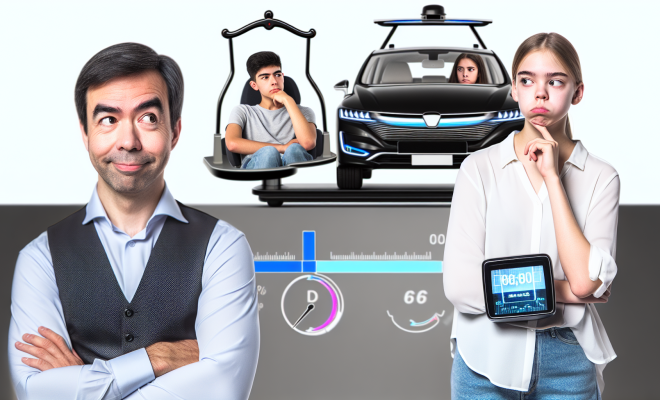
As technology continues to evolve and reshape our daily lives, a recent nationwide survey reveals a significant shift in parental attitudes towards driving. The findings indicate that 40% of parents would trust a self-driving car over their teenage child behind the wheel in specific situations. This statistic sheds light on the growing concerns parents have regarding teen drivers and the rising dangers on the roads.
Survey Insights: A Look at Parental Trust
The survey, conducted by a leading insurance company, was released just ahead of Driving Awareness Month in April, a time dedicated to promoting safe driving practices. As teen driving becomes a hot topic, especially with increasing accident rates, parents are expressing their fears regarding their children’s safety on the roads.
According to the survey, the primary reasons for this mistrust include:
- Distracted Driving: With the prevalence of smartphones and social media, distracted driving remains one of the leading causes of accidents among teens.
- Inexperience: Teen drivers often lack the experience necessary to navigate complex driving situations safely.
- Peer Pressure: Many teens feel pressured to impress their friends, which can lead to reckless driving behaviors.
Understanding the Concerns
Parents’ concerns are not unfounded. Statistics illustrate the dangers faced by teen drivers. According to the Centers for Disease Control and Prevention (CDC), car crashes are the second leading cause of death for individuals aged 16 to 19. In 2021 alone, over 2,500 young drivers were killed in motor vehicle crashes across the United States.
The National Highway Traffic Safety Administration (NHTSA) also reports that drivers aged 16-19 are three times more likely to be involved in fatal crashes than older drivers. As these metrics emphasize the reality of teen driving risks, it’s no wonder that parents are turning their attention toward alternative solutions, such as autonomous vehicles.
The Rise of Autonomous Vehicles
Self-driving cars have been portrayed as the future of transportation, promising enhanced safety features that could potentially reduce the chances of accidents. These vehicles utilize advanced technology, including sensors, cameras, and artificial intelligence, to navigate roads without human intervention.
Supporters of autonomous vehicles argue that they can:
- Reduce Human Error: Since human error is responsible for approximately 94% of traffic accidents, self-driving technology could significantly lower accident rates.
- Enhance Safety Features: Many autonomous vehicles come equipped with features such as automatic braking, lane-keeping assist, and adaptive cruise control, which can help prevent collisions.
- Provide Peace of Mind: For parents with teenage drivers, the idea of a self-driving car may offer reassurance that their child will be transported safely.
The Balancing Act: Embracing Technology While Educating Teens
While the notion of self-driving cars offers a glimpse of hope for reducing road accidents, it also raises several questions. Can technology fully replace the need for responsible driving education? Should parents rely solely on autonomous vehicles to keep their teens safe?
Experts emphasize the importance of balancing technology with traditional driving education. While self-driving cars may reduce risks, it remains critical for parents to instill safe driving habits in their teens. This includes:
- Encouraging Safe Driving Practices: Parents should lead by example, demonstrating safe driving behaviors and emphasizing the importance of focusing on the road.
- Establishing Rules and Consequences: Setting clear expectations about driving can help teens understand the seriousness of their responsibilities behind the wheel.
- Promoting Open Communication: Parents should foster an environment where teens feel comfortable discussing their driving experiences and challenges.
Conclusion: A Look Ahead
As we approach Driving Awareness Month, it is vital for parents to reflect on their own perceptions of teen driving and consider how they can best support their children in becoming responsible drivers. The survey findings indicate a growing trend of trust in technology, with many parents leaning towards self-driving cars as a solution to rising road dangers.
Ultimately, while self-driving technology presents exciting possibilities for the future of transportation, it is essential to remember that safe driving starts with informed and responsible human behavior. By combining the benefits of autonomous vehicles with robust driver education, parents can help pave the way for a safer driving environment for their teens.