Birthright Citizenship Under Threat: What 2026 Means for US-Born Kids
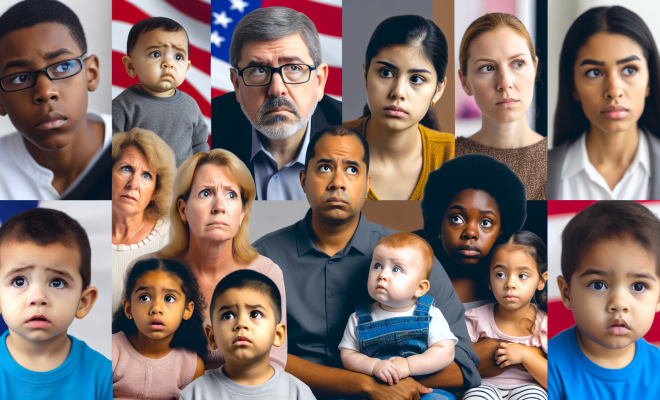
As the political landscape in the United States continues to evolve, many parents are grappling with a profound sense of anxiety regarding their children’s citizenship status. The recent Supreme Court case, which challenges the interpretation of the 14th Amendment’s birthright citizenship clause, has sparked fears that children born in the U.S. to immigrant parents could become ‘stateless’ if the ruling leans toward a restrictive interpretation.
The Case at a Glance
On April 1, 2026, the Supreme Court is set to hear arguments that could potentially undermine the long-standing precedent established by the 14th Amendment. This amendment guarantees citizenship to anyone born on U.S. soil, a principle that has been a cornerstone of American immigration policy for over a century. If the Court sides with the arguments presented by former President Donald Trump and his supporters, it could redefine who qualifies for automatic citizenship based on their parents’ immigration status.
Why This Matters
The implications of such a ruling are vast and concerning. For many immigrant families, particularly those from Latin America and other regions with high rates of immigration to the U.S., the possibility of their U.S.-born children being rendered stateless is a frightening prospect. Statelessness means that individuals do not have the nationality of any country, effectively leaving them without legal rights, protections, or the ability to travel.
Voices of Concern
Parents across the country are expressing their worries about the future of their children. Many fear that a ruling against birthright citizenship could lead to complications in obtaining essential services such as healthcare, education, and even basic civil rights. Maria, a mother of two born in the U.S. to undocumented parents, shared her apprehension:
- “I fear for my children’s future. They were born here, and they deserve the same rights as any other American child. What happens if they are suddenly deemed stateless?”
This sentiment is echoed by many advocates and legal experts who believe that the potential ramifications of such a Supreme Court decision could lead to a significant increase in stateless populations in the U.S.
Understanding Statelessness
Statelessness is more than just a legal technicality; it has real-world consequences. A stateless child may face challenges accessing basic rights, including:
- Education: Without citizenship, enrollment in public schools may be jeopardized.
- Healthcare: Access to medical services could be limited, as many programs require proof of citizenship.
- Employment: As these children grow, their ability to secure jobs may be hampered by their lack of recognized citizenship.
Furthermore, being stateless can lead to social stigma, isolation, and psychological stress, particularly for children who may not understand the complexities of their situation.
The Historical Context
The 14th Amendment was ratified in 1868, primarily to ensure that former slaves and their descendants would be recognized as citizens. Over the years, it has been interpreted to apply broadly to anyone born within the United States. The proposed changes to this interpretation have roots in a broader national conversation about immigration and citizenship that has gained intensity in recent years.
The Political Landscape
The potential for a Supreme Court ruling against birthright citizenship is not merely a legal issue but also a political one. Advocates for restricted immigration often argue that automatic citizenship encourages illegal immigration. They believe that removing this guarantee could deter families from entering the U.S. illegally or overstaying visas.
On the other hand, opponents argue that the 14th Amendment is a fundamental American principle that upholds the values of equality and justice. They contend that changing the interpretation of birthright citizenship could have devastating effects on families and the fabric of American society.
What Lies Ahead?
As the Supreme Court prepares to hear this pivotal case, the stakes could not be higher for countless families across the nation. The outcome will not only affect the lives of those currently living in the U.S. but could also set a precedent for future generations.
For now, parents like Maria continue to advocate for their children’s rights, urging lawmakers and society at large to recognize the importance of ensuring that all children born on U.S. soil remain unequivocally recognized as citizens.
Conclusion
The fears surrounding the possible elimination of birthright citizenship underscore a significant divide in American society regarding the treatment of immigrant families. As the nation awaits the Supreme Court’s decision, the conversations surrounding citizenship, rights, and belonging will undoubtedly continue to evolve. It remains critical for parents and advocates to remain informed and engaged, ensuring that the rights of future generations are protected.