U.S. Airports Face 2026 Travel Chaos Amid TSA Shortages
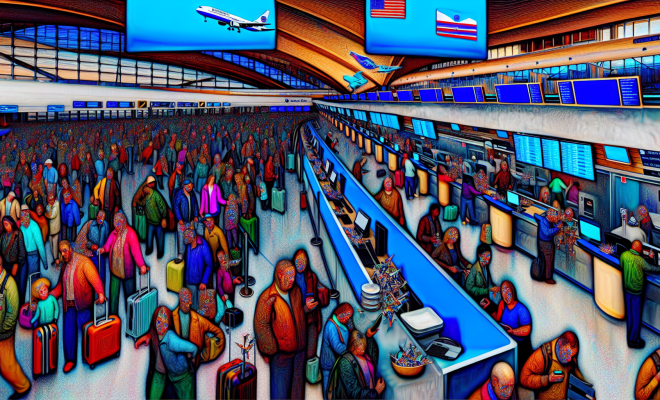
As 2026 unfolds, U.S. airports are grappling with unprecedented travel disruptions that have left many passengers in limbo. The ongoing government shutdown has triggered significant shortages in Transportation Security Administration (TSA) staff, leading to security lines that stretch for hours and a chaotic airport experience for travelers nationwide.
The Impact of the Government Shutdown
The current government shutdown has had far-reaching consequences, particularly within the aviation sector. Airports across the country are facing severe staffing shortages that have resulted in security lines lasting up to four hours. Travelers have reported frustration and anxiety as they navigate these lengthy waits, with many missing their flights or experiencing significant delays.
TSA Staffing Crisis
The heart of the issue lies in the TSA’s diminishing workforce. Reports indicate that a wave of TSA employees have resigned amid the turmoil, exacerbating the staffing crisis at a time when air travel demand is resurging. This crisis has created a perfect storm for disruptions, as the agency struggles to maintain effective security operations while keeping pace with an influx of passengers eager to travel.
Emergency Measures by the Trump Administration
In response to the mounting chaos, the Trump administration has issued an emergency pay order aimed at addressing the staffing shortages within the TSA. This initiative is designed to provide incentives for current employees to remain in their positions and to attract new hires to bolster the agency’s ranks. However, the effectiveness of these measures remains to be seen, as the immediate challenges continue to impact travelers daily.
Passenger Experiences
Many travelers have taken to social media to share their experiences during this tumultuous time. Reports of long lines snaking through terminals and passengers spending hours in security queues have become commonplace. Some have described their experiences as “nightmarish,” emphasizing the stress and uncertainty that accompany air travel in the current climate.
- Long Wait Times: Passengers have reported waiting up to four hours to pass through security, causing significant delays.
- Missed Flights: Many travelers have missed their flights due to extended wait times, leading to additional frustration and financial loss.
- Increased Anxiety: The uncertainty around travel times is causing anxiety among travelers, particularly those with tight schedules.
Looking Ahead: Solutions to the Crisis
As the TSA and government officials grapple with these challenges, the focus is shifting toward sustainable solutions that can alleviate the current situation and prevent future occurrences. Experts suggest that a comprehensive evaluation of TSA staffing needs, combined with improved employee retention strategies, will be essential in addressing the root causes of the crisis.
Recruitment and Retention Strategies
To combat the ongoing staffing challenges, the TSA may need to implement targeted recruitment campaigns aimed at attracting new talent to the agency. Additionally, enhancing employee benefits and providing competitive salaries could play a critical role in retaining current staff and encouraging new hires. By creating a more supportive work environment, the TSA can foster a culture of loyalty and commitment among its employees.
Passenger Advice During the Travel Chaos
For travelers navigating the current situation, being prepared is more crucial than ever. Here are some tips to help ease the travel experience during this tumultuous time:
- Arrive Early: Plan to arrive at the airport well in advance of your flight to accommodate potential delays at security checkpoints.
- Stay Informed: Monitor flight status and airport updates through official channels to stay abreast of any changes.
- Use Technology: Take advantage of mobile boarding passes and airline apps to streamline your travel experience.
- Be Patient: Prepare for longer wait times and approach the situation with a patient mindset.
Conclusion
The travel landscape in the U.S. is currently marked by chaos and uncertainty as airports struggle to manage the fallout from TSA staffing shortages and a government shutdown. While emergency measures have been introduced to alleviate the crisis, lasting solutions will require a concerted effort from both the TSA and government officials. As travelers navigate this challenging environment, staying informed and prepared can help mitigate some of the stress and frustration associated with air travel in these unprecedented times.