Toxic Gas & Homeless Sweeps Threaten San Diego’s South Bay
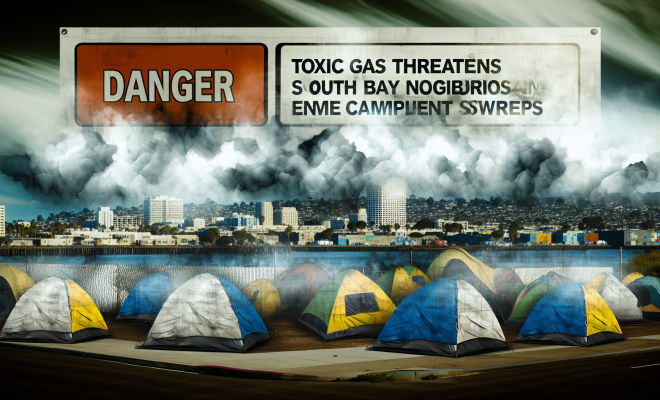
The ongoing struggle between public health and homelessness in San Diego’s South Bay has reached a critical point, particularly in the neighborhoods of Nestor and San Ysidro. Residents are grappling with a recurring environmental hazard: toxic hydrogen sulfide gas emanating from the sewage-polluted Tijuana River. This issue has been exacerbated by the city’s recent strategies to address homelessness, including nearly 500 encampment sweeps conducted on Caltrans land since last summer.
The Toxic Threat of Hydrogen Sulfide
On a recent Monday, communities in the South Bay experienced an invasion of hydrogen sulfide gas, a byproduct of sewage contamination in the Tijuana River. This situation is not isolated; it has become a consistent threat to public health. Hydrogen sulfide is known for its characteristic rotten egg smell and can have serious health implications even at low concentrations. The presence of this toxic gas has raised alarm among local residents and officials alike, prompting action from state representatives.
Legislative Action for Public Safety
In response to the growing concern, State Senator Steve Padilla is advocating for a new bill aimed at lowering the danger threshold for hydrogen sulfide. This legislative move is crucial as the current threshold is deemed too high, delaying timely public alerts from air pollution control districts. The proposed bill would also mandate state workshops aimed at improving protective measures against this hazardous gas.
Padilla’s initiative underscores the urgent need for better monitoring and response strategies in addressing the toxic emissions from the Tijuana River. The bill seeks to ensure that communities are better informed and protected against potential health risks associated with hydrogen sulfide exposure.
Homeless Encampment Sweeps: A Costly Solution?
Simultaneously, the city has been actively conducting sweeps of homeless encampments, particularly on land managed by Caltrans. Since last summer, nearly 500 such sweeps have been carried out, at a staggering cost of over $650,000. Of this amount, about $400,000 has been reimbursed by the state, highlighting the financial burden of these operations on local budgets.
The efficacy of these sweeps, however, is being called into question. Critics argue that while the city aims to uphold public safety and cleanliness, the sweeps may not be addressing the root causes of homelessness, nor are they providing sustainable solutions for those displaced. Instead, individuals often find themselves relocating only to face similar challenges in different areas.
The Cycle of Displacement
For many homeless individuals, the cycle of displacement perpetuated by these sweeps can lead to increased vulnerability. Displaced people may find themselves in even more precarious situations, often without access to essential services, healthcare, or a stable environment. Moreover, the environmental health risks associated with the Tijuana River continue to loom over these communities, affecting both the homeless population and settled residents.
Community Reactions
The reaction from community members has been mixed. Many express frustration over the ongoing gas hazard, which they feel is being overlooked in favor of addressing homelessness through sweeps. Residents have voiced concerns that the city’s focus is too heavily weighted on displacement rather than on finding a comprehensive approach to both homelessness and public health.
Local advocacy groups are calling for a more integrated strategy—one that not only addresses the environmental hazards posed by the Tijuana River but also provides long-term solutions for homelessness. Suggestions include enhancing mental health services, increasing affordable housing, and ensuring access to clean water and sanitation for vulnerable populations.
Looking Ahead: A Call for Comprehensive Solutions
The situation in South Bay serves as a microcosm of broader challenges faced by urban areas grappling with environmental hazards and homelessness. As legislators like Padilla push for changes in safety regulations regarding toxic gases, there is a simultaneous need for a reevaluation of how cities approach homelessness.
In light of health risks posed by hydrogen sulfide and the ongoing encampment sweeps, it is essential for San Diego and similar cities to develop comprehensive strategies that prioritize the well-being of all residents. This means not just managing encampments but also addressing the underlying issues that lead to homelessness, coupled with robust environmental protections.
Conclusion
As the debate continues, the health and safety of South Bay residents remain at stake. Collaborative efforts between state legislators, local governments, and community organizations will be critical in forging pathways toward resolution. By tackling both environmental and social issues in tandem, there lies potential for a healthier, safer, and more equitable future for all.