Europe’s Wildfire Crisis Explodes in 2026: A Climate Tipping Point?
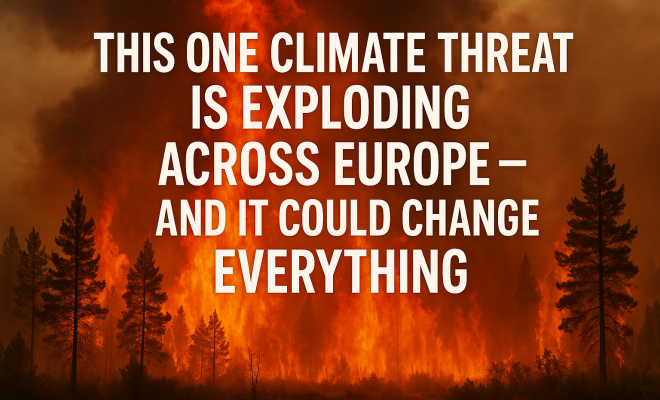
The summer of 2026 has delivered a brutal reminder of our planet’s accelerating climate crisis, and the latest green energy news brings a truly alarming development. We’re not talking about distant glaciers melting or subtle shifts in sea levels; we’re talking about immediate, terrifying threats to homes, livelihoods, and lives right now. On July 25th, an already scorching Europe saw massive wildfires rage out of control, forcing hundreds of thousands from their homes in a desperate scramble for safety. It’s a stark, visceral illustration of how rapidly our environment is changing, and it demands our urgent attention.
The scale of these fires, particularly in France and Spain, paints a grim picture. Imagine packing your bags, grabbing your loved ones, and fleeing your home with little more than what you can carry, all while a wall of flames threatens to engulf everything you’ve ever known. This isn’t a hypothetical scenario; it was the reality for over 170,000 people in a single day. The World Health Organization (WHO) has stepped in with a truly sobering assessment, revealing a staggering 57% increase in wildfires across the European Region since 2022. Spain and Portugal, in particular, have seen a 100% rise this year compared to last. These aren’t just statistics; they’re a siren call, signaling a profound shift in our climate that impacts everything from insurance premiums to the very desirability of certain regions. Let’s delve into what this escalating crisis means for all of us.
1. Mass Evacuations in France: Bordeaux Under Siege
Picture this: a beautiful summer day near Bordeaux, France, renowned for its exquisite wines and picturesque landscapes. Then, the smell of smoke begins to permeate the air, growing stronger by the hour. Before you know it, emergency services are knocking on doors, telling you to leave – immediately. This was the terrifying reality for 110,000 people on July 25th, forced to evacuate as colossal wildfires, fueled by scorching temperatures and dry conditions, tore through the region.
The scale of this displacement is almost unfathomable. It’s not just a few families; it’s an entire small city on the move, desperately seeking refuge from the advancing inferno. These aren’t just wildfires; they are climate change in action, demonstrating the immediate and devastating consequences for communities, infrastructure, and the natural environment. The psychological toll alone on these individuals, many of whom have lost everything, is immense, and it reminds us that the human cost of climate change is often measured in trauma and displacement, not just carbon emissions.
2. Spain’s Dual Front: Madrid and Ávila Ablaze
As France battled its blazes, Spain found itself confronting its own two-pronged wildfire nightmare. Near the bustling capital of Madrid and the historic, walled city of Ávila, another 60,000 individuals faced the same horrifying choice: flee or risk being consumed by the flames. The sight of smoke plumes visible from major urban centers is a stark reminder that even seemingly distant environmental threats are now at our doorstep.
The fact that two significant population centers like Madrid and Ávila were directly impacted underscores the widespread nature of this threat. These aren’t isolated incidents in remote forests; they are encroaching on areas dense with human habitation, heritage sites, and vital infrastructure. The constant barrage of green energy news often focuses on proactive solutions, but these events highlight the reactive, emergency-level responses increasingly required as our climate shifts.
3. WHO’s Alarming Data: A 57% Surge Across Europe
When the World Health Organization issues a warning, we should all listen. Their recent pronouncement is chilling: a 57% increase in wildfires across the entire European Region since 2022. Let that sink in for a moment. This isn’t a marginal uptick; it’s a dramatic, accelerating trend that signifies a fundamental change in the environmental conditions across a vast geographical area. The WHO isn’t just counting fires; they’re tracking a public health crisis, as smoke inhalation, heatstroke, and mental health impacts become increasingly prevalent.
This data isn’t abstract; it’s a concrete measure of our collective vulnerability. It tells us that regions once considered relatively safe from such large-scale fire events are now firmly in their crosshairs. The implications stretch far beyond the immediate damage, impacting air quality, water resources, and the long-term health of millions. This trend is a clear indicator that the strategies we’ve employed in the past are simply no longer sufficient to cope with the new reality.
4. Portugal and Spain’s Double Trouble: 100% Increase
While the overall European increase is significant, the situation in Portugal and Spain is particularly dire. Both nations have seen a staggering 100% rise in wildfires this year compared to 2025. That’s not just an increase; it’s a doubling of the devastation. These countries, already prone to hotter, drier summers, are now experiencing an unprecedented escalation in fire activity, turning their beautiful landscapes into tinderboxes.
This dramatic surge in two specific nations highlights the localized intensity of climate change impacts. It suggests that certain geographies are becoming ground zero for these environmental catastrophes, demanding tailored and immediate interventions. For residents of these regions, the question isn’t if a wildfire will happen, but when, and how close it will come. This isn’t just about environmental policy; it’s about the everyday safety and security of entire populations, and it should be front and center in any discussion about green energy news and climate action. (See: 57% increase in wildfires in Europe.)
5. The Climate Change Link: Unmistakable and Urgent
Let’s be unequivocally clear: these escalating wildfires are not random acts of nature. They are a direct, undeniable consequence of climate change. Warmer temperatures lead to drier vegetation, creating more fuel for fires. Longer and more frequent heatwaves increase the chances of ignition, whether from lightning strikes, human error, or deliberate arson. The cycle is vicious and self-reinforcing, and it’s playing out before our very eyes.
The scientific consensus on this link is overwhelming. Experts have been warning us for decades, and now we are seeing their predictions manifest with terrifying accuracy. Denying or downplaying this connection is no longer an option; the evidence is too stark, the human suffering too profound. This isn’t merely a point of debate; it’s an urgent call to action to address the root causes of global warming and to accelerate our transition to sustainable practices, which is why green energy news is more critical than ever.
6. Economic Fallout: Billions in Damages and Skyrocketing Insurance
Beyond the immediate human toll, the economic fallout from these wildfires is immense and far-reaching. We’re talking about billions of euros in damages – destroyed homes, businesses, infrastructure, and invaluable natural resources. But the costs don’t stop there. The insurance sector is already feeling the squeeze, with wildfire insurance premiums poised to skyrocket in affected regions. Some areas might even become uninsurable, leading to a complete collapse in property values.
Think about it: if you can’t get insurance, you can’t get a mortgage. If you can’t get a mortgage, fewer people will buy properties, driving down prices and creating a ripple effect through the entire real estate market. This isn’t just about individual homeowners; it impacts banks, investors, and the broader economy. Governments will also face immense pressure to fund recovery efforts, diverting resources from other essential services. The financial consequences of inaction on climate change are becoming frighteningly clear.
7. Real Estate’s Reckoning: Property Values and Fire-Resistant Solutions
The real estate market, particularly in fire-prone areas, is heading for a reckoning. Who wants to buy a dream home if it’s perpetually under threat from raging infernos? Property values in high-risk zones will inevitably decline, potentially creating ghost towns in areas that were once desirable. This shift will force a re-evaluation of how and where we build, pushing for fire-resistant building solutions and more stringent land-use regulations.
We’re likely to see a greater demand for materials like concrete, steel, and treated wood, along with fire-resistant landscaping and defensible space around properties. Architects and developers will need to integrate fire safety into their designs from the ground up, rather than as an afterthought. This isn’t just about aesthetics; it’s about survival. The future of real estate in these regions will hinge on adaptability and a proactive approach to mitigating wildfire risk. This is a crucial element missing from much of the green energy news we consume.
8. Legal and Regulatory Challenges: Land Use, Claims, and Accountability
The escalating wildfire crisis also brings a host of complex legal and regulatory challenges. On one hand, there’s the immediate aftermath: navigating insurance claims, often a labyrinthine process for those who’ve lost everything. Then there are questions of land use – should we rebuild in the same vulnerable areas? What regulations are needed to prevent future catastrophes? These discussions will be contentious, pitting individual property rights against collective safety.
Furthermore, we might see increased litigation against utility companies for fires sparked by faulty infrastructure, or even against governments for perceived failures in prevention and response. The legal landscape surrounding climate change impacts is still evolving, but these events will undoubtedly accelerate its development, pushing for greater accountability and more robust regulatory frameworks. This isn’t just about damages; it’s about shaping a more resilient future through legal and policy levers.
9. The Imperative of Green Energy News: Shifting to Sustainable Solutions
These devastating wildfires serve as a brutal, visceral reminder of why the transition to green energy isn’t just an environmental ideal, but an urgent economic and humanitarian imperative. Every piece of green energy news, every breakthrough in solar, wind, or geothermal technology, represents a step away from the fossil fuels that are driving these catastrophic climate events. It’s about reducing our carbon footprint, stabilizing global temperatures, and ultimately, protecting our homes and our planet.
The billions currently being spent on fighting fires and rebuilding communities could be far better invested in accelerating renewable energy deployment, developing smart grids, and implementing climate adaptation strategies. This crisis isn’t just a call to mourn; it’s a call to action. We need to amplify the voices advocating for sustainable solutions, support policies that prioritize renewable energy, and make conscious choices as consumers to reduce our own impact. The future of our communities, our economies, and indeed, our very way of life, depends on how swiftly and decisively we respond to these undeniable warnings from our changing climate. (See: massive wildfires in France and Spain.)
10. Global Impact Beyond Europe: A Worldwide Wake-Up Call
While Europe is currently grappling with these intense wildfires, it’s crucial to remember that this isn’t an isolated regional problem. Similar devastating events are becoming increasingly common across the globe. We’ve seen record-breaking fire seasons in California, Australia, and parts of South America in recent years. The Amazon rainforest, a vital carbon sink, has faced unprecedented deforestation and fires. Even the Arctic, a region typically associated with ice and snow, has experienced tundra fires, releasing ancient carbon stores and accelerating global warming.
This global pattern reinforces the interconnectedness of our planet’s climate systems. What happens in one region affects others, not just through atmospheric changes but also through economic and social ripple effects. A collapse in agricultural output in one fire-stricken area can impact global food supply chains. The displacement of communities creates refugee crises that cross international borders. The green energy news from Europe, while immediate and impactful, is really a microcosm of a much larger, global challenge that requires coordinated international effort.
11. The Psychological Toll: Beyond Immediate Danger
We’ve touched on the immediate trauma of evacuation, but the psychological impact of wildfires extends far beyond the moment of escape. Imagine the anxiety of watching news reports, unsure if your home still stands. For those who lose everything, the grief can be profound, akin to losing a loved one. There’s the stress of rebuilding, navigating bureaucracy, and the fear that it could all happen again next year.
Children, in particular, can suffer long-term emotional distress, witnessing their communities engulfed in flames or experiencing displacement. Mental health professionals are seeing an increase in eco-anxiety and climate-related trauma. These aren’t just physical disasters; they’re deeply personal experiences that can leave lasting scars. Any comprehensive response to wildfires, and to climate change itself, must include robust mental health support for affected populations. It’s a critical, often overlooked, aspect of the human cost that green energy news needs to acknowledge.
12. Technological Innovations in Firefighting and Prevention
Facing these increasingly severe fires, firefighters and researchers are turning to advanced technologies. Drones equipped with thermal cameras can spot nascent fires in remote areas much faster than traditional methods, allowing for quicker deployment of resources. Satellite imagery and AI models are becoming sophisticated enough to predict high-risk areas based on weather patterns, vegetation dryness, and historical data, enabling proactive measures like controlled burns.
On the ground, new fire-retardant gels and foams are being developed, offering more effective barriers against advancing flames. Robotics might even play a role in hazardous frontline operations, protecting human lives. However, these technological solutions are ultimately reactive. While they help manage the symptoms, they don’t address the root cause. True progress, as highlighted in green energy news, lies in preventing the conditions that make these mega-fires possible in the first place.
13. Ecosystem Devastation and Biodiversity Loss
The immediate destruction of homes and infrastructure is horrifying, but the long-term damage to ecosystems is equally devastating. Wildfires consume vast tracts of forests, grasslands, and critical habitats, wiping out biodiversity. Many species, particularly those with limited mobility or specific habitat requirements, simply can’t escape fast-moving fires. This can lead to localized extinctions and significant disruptions in food webs.
Beyond the immediate loss, the soil itself is often sterilized by intense heat, making regeneration difficult. Water sources can become contaminated with ash and debris, impacting aquatic life and human drinking water supplies. The loss of mature trees means a reduction in carbon sequestration capacity, creating a feedback loop that exacerbates climate change. Protecting these ecosystems is another vital reason why shifting to green energy sources is so urgent; it’s about preserving the very fabric of life on Earth.
14. The Role of Policy and International Cooperation
Addressing the wildfire crisis and the broader climate emergency demands robust policy frameworks and unprecedented international cooperation. National governments need to invest heavily in fire prevention infrastructure, sustainable forest management, and rapid response capabilities. This includes everything from early warning systems to cross-border resource sharing agreements for firefighting equipment and personnel. (See: climate change impacts on wildfires.)
Internationally, there’s a need for stronger commitments to emissions reductions under agreements like the Paris Accord. Developed nations need to support developing countries in their transition to green energy and in building climate resilience. Carbon pricing, renewable energy incentives, and regulations on high-emission industries are all critical policy tools. Green energy news should consistently highlight these policy discussions, pushing for ambitious targets and accountability from global leaders.
Frequently Asked Questions About Green Energy and Wildfires
Q1: How does green energy directly reduce wildfire risk?
A1: Green energy, like solar and wind power, doesn’t directly fight fires. Its impact is on the root cause: climate change. By replacing fossil fuels, green energy significantly reduces greenhouse gas emissions, which are driving global temperature increases. Warmer temperatures lead to drier conditions, more frequent heatwaves, and increased fuel for wildfires. So, by mitigating climate change, green energy helps reduce the frequency and intensity of the extreme weather conditions that fuel these devastating fires.
Q2: Are all wildfires caused by climate change?
A2: Not all wildfires are directly caused by climate change. Fires can be sparked by lightning, human carelessness (like campfires or discarded cigarettes), faulty electrical equipment, or even arson. However, climate change acts as a “threat multiplier.” It creates the perfect conditions for these fires to start more easily, spread faster, and burn more intensely. Drier vegetation, longer heatwaves, and altered precipitation patterns are all consequences of a warming climate that make wildfires much worse.
Q3: What role does land management play in preventing wildfires?
A3: Land management is absolutely crucial. Practices like controlled burns (prescribed fires) remove excessive fuel loads from forests, making future wildfires less severe. Thinning dense forests, creating defensible spaces around communities, and using fire-resistant landscaping are also vital. Reforestation efforts, when done sustainably with fire-adapted species, can also help. Combining smart land management with a transition to green energy offers a powerful two-pronged approach.
Q4: How quickly can we transition to green energy to make a difference?
A4: The transition to green energy is already underway globally, but the speed needs to accelerate dramatically. Experts suggest we need to achieve net-zero emissions by mid-century to avoid the most catastrophic impacts of climate change. This requires massive investment in renewables, energy efficiency, and grid modernization. Every year of delay means more warming and more extreme events, making the urgency highlighted in green energy news paramount.
Q5: What can individuals do to support green energy and reduce wildfire risk?
A5: Individuals can make a significant difference. You can switch to a green energy provider if available, invest in rooftop solar, improve your home’s energy efficiency, and choose electric vehicles. Support policies that promote renewable energy and sustainable land use. In fire-prone areas, create defensible space around your home, use fire-resistant building materials, and stay informed about local fire risks. Every action, big or small, contributes to building a more resilient future.
The events of July 25, 2026, weren’t just another news cycle; they were a profound moment that underscores the escalating reality of climate change. The doubling of wildfires in some regions, the mass evacuations, and the stark warnings from the WHO paint a picture that demands more than just awareness – it demands immediate, transformative action. The time for debate is over; the time for genuine, systemic change towards a sustainable future is now.
Trending Now
Frequently Asked Questions
What are the recent climate threats in Europe?
Recent climate threats in Europe include massive wildfires that have surged in frequency and intensity, particularly affecting countries like France and Spain. In July 2026 alone, wildfires forced over 170,000 people to evacuate, highlighting the urgent need to address the escalating climate crisis.
How have wildfires in Europe changed recently?
Wildfires in Europe have dramatically increased, with a 57% rise reported by the World Health Organization since 2022. Spain and Portugal have experienced an alarming 100% increase in wildfires this year, marking a significant shift in climate patterns that pose immediate threats to communities.
What impact do wildfires have on communities in Europe?
Wildfires have devastating impacts on communities in Europe, forcing mass evacuations and threatening homes and livelihoods. The psychological and economic toll is significant, affecting insurance rates and the desirability of living in fire-prone regions.
What regions in Europe are most affected by wildfires?
Regions in Europe most affected by wildfires include France and Spain, particularly areas like Bordeaux. These regions have seen some of the most severe wildfire events, resulting in large-scale evacuations and heightened awareness of climate risks.
How do wildfires relate to climate change?
Wildfires are increasingly seen as a direct consequence of climate change, with rising temperatures and changing weather patterns creating ideal conditions for fires to ignite and spread. The recent surge in wildfires across Europe serves as a stark reminder of the urgent climate crisis we face.
What's your take on this? Share your thoughts in the comments below — we read every one.