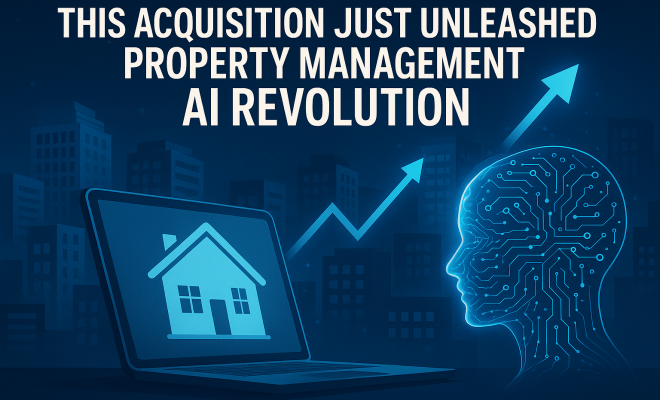
This Acquisition Just Unleashed a Property Management AI Revolution
“`html
Ever feel like property management is stuck in the Stone Age? You know, chasing down rent payments, trying to coordinate maintenance, and wrestling with mountains of fragmented data across a dozen different software systems. It’s a common frustration, and honestly, it’s a huge bottleneck for both property owners and their residents. But what if artificial intelligence could finally untangle that mess, making everything smoother, more efficient, and even more profitable? That’s precisely the vision behind a significant recent move in the proptech world: the acquisition of U.S.-based AI powerhouse Zuma by the Israeli-founded real estate technology company, Venn.
This isn’t just another tech merger. It’s a strategic play, valued at $50 million, that aims to fundamentally reshape how properties are managed. By bringing Zuma’s specialized AI for leasing, renewals, and rent collection under Venn’s umbrella, the combined entity is creating a unified AI platform designed to operate seamlessly across the notoriously fragmented systems used by property owners and managers. It’s a bold ambition, and it speaks volumes about the growing recognition that AI isn’t just a shiny new toy for real estate; it’s becoming an indispensable tool. So, let’s dig into how Venn and Zuma are using AI in property management to potentially revolutionize an industry ripe for change.
The Proptech Landscape Before Venn and Zuma: A Fragmented Reality
Before we explore the future, it’s crucial to understand the present state of property management tech. For years, the industry has been characterized by a patchwork of disparate software solutions. You’ve got one system for accounting, another for tenant communication, a third for maintenance requests, and maybe a completely separate platform for marketing vacancies. Sound familiar? This fragmentation isn’t just inconvenient; it creates inefficiencies, data silos, and a constant struggle for property managers to get a holistic view of their operations.
Think about it: a leasing agent might use one CRM, while the accounting department relies on an older ERP system, and the maintenance team logs tickets in a bespoke portal. Data has to be manually transferred, re-entered, or painstakingly reconciled, leading to errors and delays. This lack of integration means that property managers spend an inordinate amount of time on administrative tasks rather than focusing on resident satisfaction, strategic planning, or portfolio growth. It’s a classic case of too many cooks in the kitchen, each with their own recipe book, making it nearly impossible to serve a cohesive meal. This fragmented reality has long been a barrier to true scalability and efficiency in real estate operations, making the case for a unified platform all the more compelling.
Venn’s Vision: Connecting the Dots Across Real Estate Operations
Venn has been working to address this fragmentation long before the Zuma acquisition. Their core platform focuses on connecting data and workflows across the entire spectrum of real estate operations. Imagine a central nervous system for your property portfolio, where information flows freely between leasing, maintenance, finance, and resident engagement. That’s what Venn aims to build. They understand that a holistic view isn’t just a nice-to-have; it’s essential for making informed decisions, optimizing performance, and delivering a superior experience for residents.
Venn’s existing system already serves over 270 owners and operators, including industry giants like Bozzuto and Related. These aren’t small players; they’re major entities managing extensive portfolios, which speaks to the credibility and robustness of Venn’s platform. Their approach has clearly resonated, as they’ve quadrupled their contracted revenue in the past year alone. This kind of growth isn’t accidental; it’s a clear indication that property owners are actively seeking solutions that can bring order and intelligence to their complex operations. By providing a framework for integrated data and workflows, Venn sets the stage for AI to truly shine, moving beyond isolated applications to deliver systemic improvements.
Zuma’s AI Expertise: Mastering Leasing, Renewals, and Rent Collection
So, where does Zuma fit into this picture? Zuma brings a highly specialized, proven expertise in applying AI to some of the most critical and often frustrating aspects of property management: leasing, renewals, and rent collection. These aren’t just administrative tasks; they’re the lifeblood of a property’s revenue stream and directly impact its profitability and stability. Let’s break down each area.
For leasing, Zuma’s AI can analyze vast amounts of market data, renter demographics, and property characteristics to optimize pricing, predict demand, and even personalize outreach to prospective tenants. Imagine an AI that can identify the ideal rent for a unit based on real-time market fluctuations, or one that can automatically respond to inquiries with tailored information, scheduling tours and screening applicants with minimal human intervention. This accelerates the leasing cycle, reduces vacancy rates, and ensures properties are priced competitively.
When it comes to renewals, AI can proactively identify residents who are likely to renew (or not) based on their engagement, payment history, and even sentiment analysis from communications. It can then trigger personalized offers or interventions designed to retain valuable tenants, reducing turnover costs which, as any property manager knows, can be substantial. And finally, rent collection – perhaps the most universally dreaded task. Zuma’s AI can automate reminders, identify at-risk tenants, and even facilitate payment plans, all while maintaining a professional and consistent communication style. This not only improves collection rates but also frees up staff to handle more complex or sensitive situations. The combination of these capabilities is precisely how Venn and Zuma are using AI in property management to drive tangible operational improvements. (See: real estate technology advancements.)
The Synergistic Power of a Unified AI Platform
The real magic happens when Venn’s overarching platform meets Zuma’s specialized AI capabilities. This isn’t just about bolting one system onto another; it’s about creating a truly unified artificial intelligence platform. Think of it like this: Venn provides the comprehensive data infrastructure and workflow automation, while Zuma injects deep AI intelligence into specific, high-impact areas. The result is more than the sum of its parts.
For example, imagine a prospective tenant expresses interest in a unit. Venn’s platform captures that lead. Zuma’s AI immediately takes over, engaging the prospect through automated, intelligent conversations, answering questions, and scheduling a tour. Once a tour is completed, the AI can follow up, guide the applicant through the screening process, and even facilitate lease signing. All of this data then flows seamlessly into Venn’s broader system, updating occupancy rates, financial projections, and resident profiles without any manual data entry. Furthermore, insights gained from Zuma’s AI – like which communication strategies lead to higher conversion rates or which payment reminders are most effective – can inform and optimize other aspects of Venn’s platform, creating a continuous feedback loop of improvement. This integrated approach is a game-changer, moving beyond isolated AI tools to a truly intelligent, interconnected operational system. For more context, see The Hidden Truth About AI Mortgage Tools.
Anticipated Scale and Impact: Managing Over One Million Units
The ambition behind this acquisition is truly impressive, and the numbers speak for themselves. Venn anticipates managing over one million residential units by the end of the year. Let that sink in for a moment. One million units. This isn’t some niche startup aiming for a small slice of the market; this is a company positioning itself to be a dominant force in property management technology. Managing a portfolio of that size with traditional methods would be an absolute logistical nightmare, requiring an army of staff and an incredible tolerance for inefficiency.
But with a unified AI platform, managing a million units becomes not just feasible, but potentially highly optimized. The scale of this operation means that the AI will have access to an enormous dataset, allowing it to learn and improve at an accelerated pace. More data means more accurate predictions, more efficient automations, and more sophisticated insights. For property owners and managers, this translates into tangible benefits: reduced operating costs, higher occupancy rates, improved resident satisfaction, and ultimately, greater profitability. It also sets a new benchmark for what’s possible in the proptech space, pushing the entire industry towards greater adoption of AI and integrated solutions. The sheer volume of data processed through how Venn and Zuma are using AI in property management will undoubtedly lead to unprecedented levels of operational insight.
Beyond the Transaction: The Broader Implications for Real Estate
This $50 million acquisition isn’t just a corporate transaction; it carries significant implications for the broader real estate industry. For one, it signals a maturing of the proptech market. Investors and established players are no longer just dabbling in technology; they’re making substantial bets on AI as a core driver of future value. This will likely spur further innovation and investment in AI-powered solutions across all facets of real estate, from development and construction to sales and facility management.
Secondly, it raises the bar for what residents will come to expect. As AI streamlines processes like leasing and maintenance, the resident experience will undoubtedly improve. Faster responses, more personalized interactions, and easier access to services will become the norm. Properties that fail to adapt and adopt similar technologies risk falling behind, struggling to attract and retain tenants in an increasingly tech-savvy market. Finally, it highlights the growing importance of data. The effectiveness of AI is directly tied to the quality and quantity of data it can access. Companies that can effectively collect, integrate, and leverage data will be the ones that thrive in this new era of intelligent property management.
Challenges and Considerations for AI Adoption in Property Management
While the benefits of how Venn and Zuma are using AI in property management are clear, it’s also important to acknowledge the challenges that come with widespread AI adoption. One major hurdle is integration with legacy systems. Many property management companies, especially smaller ones, still rely on older, less sophisticated software or even manual processes. Migrating data and integrating new AI platforms can be complex, time-consuming, and costly. It requires a significant upfront investment and a willingness to embrace change.
Another consideration is data privacy and security. AI systems process vast amounts of sensitive tenant data, from financial information to communication records. Ensuring robust data protection and compliance with evolving privacy regulations (like GDPR or CCPA) is paramount. Property managers need to be confident that their AI partners are employing best-in-class security measures. Finally, there’s the human element. While AI can automate many tasks, it won’t entirely replace human property managers. Instead, it will augment their capabilities, freeing them up for more complex problem-solving, strategic thinking, and personalized resident interactions. The challenge will be in reskilling staff and managing the cultural shift that comes with working alongside intelligent machines. It’s about leveraging AI to empower people, not replace them wholesale.
The Future is Smart: What’s Next for Property Managers?
So, what does this all mean for property managers looking ahead? The message is clear: the future of property management is smart, and it’s powered by AI. Ignoring this trend is no longer an option. For those who embrace it, the opportunities are immense. Property managers will need to become more data-savvy, understanding how to interpret AI-driven insights and use them to make better decisions. They’ll need to focus on strategic thinking and resident relationship building, tasks that AI can’t fully replicate.
We’re likely to see a continued consolidation in the proptech space, with more acquisitions like Venn and Zuma as companies seek to build comprehensive, integrated solutions. This will create a more competitive landscape, driving innovation and forcing providers to continually improve their offerings. For property owners, the choice of technology partner will become even more critical. It won’t just be about features; it will be about a partner’s ability to deliver a truly unified, intelligent platform that can adapt and scale with their portfolio. The days of piecemeal software solutions are fading, making way for comprehensive AI ecosystems that promise to transform how we live and manage our built environment. (See: AI in property management research.)
The Venn-Zuma acquisition isn’t just a big headline in the tech world; it’s a powerful indicator of where the property management industry is headed. By demonstrating how Venn and Zuma are using AI in property management to create a unified platform, they’re not just optimizing operations; they’re setting a new standard for efficiency, resident experience, and profitability. For anyone involved in real estate, keeping an eye on these developments isn’t just smart; it’s essential for staying competitive in an increasingly intelligent market.
Practical Steps for Property Managers to Embrace AI
If you’re a property manager reading this and feeling a mix of excitement and perhaps a little overwhelm, you’re not alone. The prospect of integrating advanced AI can seem daunting, especially if your current operations are steeped in older methods. But taking proactive steps now can position your portfolio for success in this evolving landscape. The first, and arguably most critical, step is to conduct a thorough audit of your existing technology stack and workflows. Where are your biggest pain points? Which tasks consume the most time for your team? Identifying these bottlenecks will help you pinpoint where AI can deliver the most immediate and impactful improvements. For more context, see The Mortgage AI Scandal.
Next, start exploring AI-powered solutions, perhaps beginning with smaller, more manageable integrations. You don’t have to overhaul everything at once. Consider AI tools that specialize in specific, high-value areas like lead generation, automated tenant communication, or predictive maintenance scheduling. Many providers offer pilot programs or scalable entry points. Remember, the goal isn’t to replace your entire staff with robots, but to empower your team to be more efficient and effective. Training your staff on how to leverage these new tools, understanding AI-driven insights, and adapting to new workflows will be crucial for successful adoption. Embrace a mindset of continuous learning and iteration, and you’ll find that the transition to an AI-augmented operation can be surprisingly smooth and rewarding.
Finally, focus on data integrity. As we’ve discussed, AI thrives on clean, comprehensive data. Invest in processes and tools that ensure your data is accurate, consistent, and easily accessible. This might mean standardizing data entry, consolidating databases where possible, and establishing clear data governance policies. Think of your data as the fuel for your AI engine; the better the fuel, the better the performance. By systematically addressing these areas, property managers can confidently step into the future, leveraging the transformative power of AI to create more efficient, profitable, and resident-friendly properties.
Expert Perspectives on AI in Property Management
It’s not just tech companies pushing this vision; industry experts and analysts are increasingly vocal about the transformative potential of AI. “The biggest shift we’re seeing isn’t just automation, but intelligent automation,” notes a recent report from a leading real estate consulting firm. “AI isn’t simply doing what a human would do faster; it’s uncovering patterns, predicting outcomes, and optimizing decisions in ways that manual analysis simply can’t achieve.” This sentiment is echoed by venture capitalists investing heavily in proptech, who see AI as the critical differentiator in a crowded market. They often point to the scalability factor: traditional property management models hit a ceiling because they’re reliant on human bandwidth. AI removes that ceiling, allowing companies like Venn and Zuma to manage vast portfolios with unprecedented efficiency.
Furthermore, property managers themselves are beginning to champion AI. A recent survey indicated that over 60% of property management professionals believe AI will be “highly important” or “critical” to their operations within the next five years. They’re looking for solutions that can reduce the mundane tasks, freeing up their teams to focus on higher-value activities like resident relations and strategic portfolio growth. The consensus among these experts is clear: AI isn’t a luxury; it’s quickly becoming a necessity for competitive advantage and long-term sustainability in property management. The companies that embrace it early, like those demonstrating how Venn and Zuma are using AI in property management, will undoubtedly define the industry’s future.
Comparing AI Adoption: Property Management vs. Other Industries
While property management might seem like it’s playing catch-up, it’s worth comparing its AI adoption curve to other industries. In finance, AI has revolutionized fraud detection, algorithmic trading, and personalized financial advice for years. Healthcare uses AI for diagnostics, drug discovery, and patient management. Retail leverages AI for inventory optimization, customer recommendations, and supply chain efficiency. In many ways, property management’s journey mirrors these sectors, albeit with its own unique complexities.
One key difference is the hyper-local nature of real estate data. While a retail AI might analyze global purchasing trends, a property management AI needs to understand nuanced local market dynamics, neighborhood demographics, and even hyper-specific property features. This makes the data integration challenge particularly acute, emphasizing why a unified platform like Venn’s is so crucial. However, property management also has a unique advantage: a relatively stable and predictable revenue stream (rent) and a clear set of operational tasks that are ripe for automation. This combination makes it an ideal candidate for AI’s impact, and the rapid growth of companies like Venn and Zuma shows the industry is quickly closing the gap compared to its more AI-mature counterparts.
The Role of Predictive Analytics in Next-Gen Property Management
Beyond automating current tasks, a significant part of how Venn and Zuma are using AI in property management lies in predictive analytics. This is where AI moves from reactive problem-solving to proactive foresight. Imagine an AI that can predict which appliances in a unit are most likely to break down in the next six months, allowing for preventative maintenance before a costly emergency arises. Or an AI that can forecast tenant turnover with high accuracy, giving property managers ample time to market units and minimize vacancy periods. For more context, see How AI Is Reshaping Recent College Graduates' Job Prospects. (See: impact of AI on business sectors.)
For financial planning, predictive analytics can forecast rental income fluctuations based on economic indicators, local job growth, and even seasonal trends, allowing property owners to make more informed investment decisions. It can also identify properties or units that are underperforming and suggest targeted interventions. This shift from historical reporting to predictive modeling is a game-changer. It transforms property management from a reactive, firefighting operation into a strategically driven, optimized business. This level of foresight empowers property managers to not just maintain properties, but to actively increase their value and profitability, moving them from administrators to strategic asset managers.
Frequently Asked Questions About AI in Property Management
Q1: Will AI replace property managers entirely?
No, not entirely. AI is designed to automate repetitive, data-intensive tasks, freeing up property managers to focus on strategic thinking, complex problem-solving, and crucial human interactions like resident relationship building and conflict resolution. It augments human capabilities, making property managers more efficient and effective, rather than replacing them.
Q2: How secure is my data with AI property management platforms?
Reputable AI property management platforms prioritize data security and privacy. They typically employ advanced encryption, comply with industry-specific regulations (like SOC 2), and adhere to data privacy laws like GDPR and CCPA. When evaluating platforms, always inquire about their security protocols, data handling policies, and compliance certifications.
Q3: Is AI only for large property management companies?
While large companies often have the resources for early adoption, AI solutions are becoming increasingly scalable and accessible for smaller and mid-sized property management firms. Many providers offer tiered pricing and modular solutions, allowing companies to start with specific AI tools and expand as their needs and budget grow. The benefits of efficiency and cost savings apply to portfolios of all sizes.
Q4: What’s the biggest challenge in implementing AI for property management?
The biggest challenge often lies in integrating new AI platforms with existing legacy systems and ensuring data quality. Many older property management systems aren’t designed for seamless data sharing, which can complicate the integration process. Additionally, ensuring your historical data is clean, consistent, and ready for AI analysis is crucial for the AI to perform effectively.
Q5: How quickly can I expect to see ROI from AI in property management?
The return on investment (ROI) can vary depending on the specific AI tools implemented and the initial state of your operations. However, many property managers report seeing improvements in efficiency, reduced operating costs, faster leasing cycles, and improved tenant retention within 6-12 months of successful AI integration. The long-term benefits of enhanced decision-making and property value optimization continue to accrue over time.
“`
Trending Now
Frequently Asked Questions
What is the significance of the Venn and Zuma acquisition?
The acquisition of Zuma by Venn, valued at $50 million, aims to revolutionize property management by integrating specialized AI for leasing, renewals, and rent collection. This strategic move seeks to create a unified AI platform that addresses the fragmented nature of property management systems, enhancing efficiency and profitability for property owners and managers.
How is AI changing property management?
AI is transforming property management by streamlining processes like rent collection, maintenance coordination, and tenant communication. By leveraging AI technologies, property managers can reduce inefficiencies, gain better insights from data, and ultimately improve the overall experience for both property owners and tenants.
What challenges does the property management industry face?
The property management industry faces significant challenges due to a fragmented landscape of software solutions. This disjointed approach leads to inefficiencies, data silos, and difficulties in obtaining a comprehensive view of property operations, making it hard for managers to effectively oversee their responsibilities.
Why is AI considered essential for real estate now?
AI is increasingly viewed as essential in real estate because it offers solutions to long-standing inefficiencies and operational challenges. The integration of AI tools can help property managers automate routine tasks, make data-driven decisions, and ultimately enhance the profitability and management of properties.
What are the benefits of a unified AI platform in property management?
A unified AI platform in property management provides numerous benefits, including improved efficiency, streamlined operations, and better data integration. By consolidating various property management functions into a single system, property owners and managers can enhance communication, reduce errors, and gain a holistic view of their operations.
Have you experienced this yourself? We'd love to hear your story in the comments.