Ube Revolution: Purple Yam Transforms Global Desserts
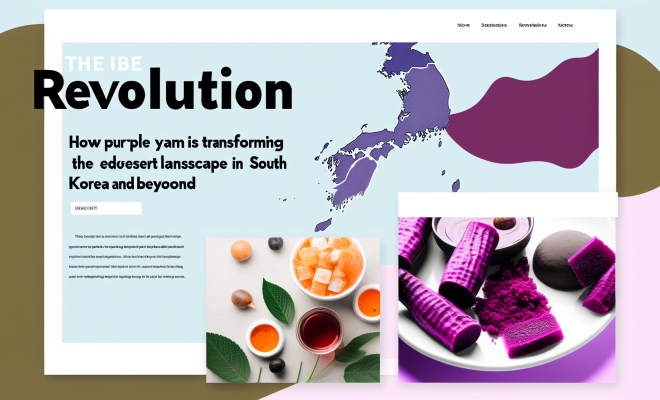
Introduction
The culinary landscape is ever-evolving, with trends emerging that not only capture the imagination but also influence consumer choices. One such trend that has gained notable traction is the vibrant purple ube, a Filipino dessert ingredient that has taken South Korea and the global dessert market by storm. Its striking color and unique flavor profile have made it a focal point for dessert makers seeking to attract attention in an increasingly competitive field.
The Rise of Ube in Culinary Culture
Ube, or purple yam, has long been a staple in Filipino cuisine, cherished for its sweet, nutty flavor and vivid color. Traditionally used in various dishes, such as
- Ube halaya (a sweet yam jam)
- Ube cake
- Leche flan with ube
- Ube ice cream
its popularity has surged internationally, particularly in dessert-centric cultures. The recent trend in South Korea highlights how food is not merely sustenance but an experience—one that is heavily influenced by visual appeal. Social media platforms, especially Instagram, have played a pivotal role in popularizing ube, as users share colorful, eye-catching desserts that captivate audiences.
The Color-Driven Dessert Market
In South Korea, a country known for its vibrant food culture, the ube trend has ignited a color-driven competition among dessert makers. As businesses—from independent cafes to large retail chains—seek to differentiate their offerings, incorporating ube has become a strategic move. The allure of ube’s rich purple hue is not just about aesthetics; it represents a broader consumer demand for visually striking food products that stand out on menus and store shelves.
The Appeal of Instagram-Worthy Foods
The phenomenon of Instagram-worthy foods has transformed the way consumers interact with dessert products. A study published in the International Journal of Gastronomy and Food Science found that visual appeal significantly influences food choices, especially among younger demographics. The vibrant color of ube naturally draws attention, making it an excellent candidate for social media promotion.
Consumers are increasingly inclined to share their culinary experiences online, leading businesses to prioritize aesthetics in their product development. Desserts that feature ube not only appeal to the taste buds but also serve as a feast for the eyes—creating a dual experience that resonates well with the social media-savvy generation.
Ube in Cafes and Bakeries
Independent cafes across South Korea have embraced the ube trend, creating unique offerings that highlight its versatility. From ube lattes to ube-flavored pastries, these establishments are tapping into the growing demand for innovative dessert options. Notably, ube has been incorporated into:
- Macarons
- Cream puffs
- Cakes
- Donuts
- Cookies
These products not only showcase the beautiful purple color of ube but also provide a unique flavor experience that sets them apart from traditional offerings. The infusion of ube into familiar dessert formats allows consumers to enjoy a taste of the Philippines while also experiencing something new.
Major Retail Chains Join the Ube Craze
Recognizing the potential of ube, major retail chains in South Korea have begun incorporating the purple yam into their dessert lineups. This shift reflects a significant trend in the food industry, where large corporations are increasingly looking to local and international food trends to attract consumers. Products ranging from frozen ube treats to ube-flavored cakes are now commonplace in supermarkets and convenience stores.
The collaboration between local producers and retail giants often leads to innovative products that harness the best of both worlds—traditional recipes infused with modern twists. Such collaborations not only boost sales but also promote cultural exchange and appreciation for diverse culinary traditions.
Ube: A Symbol of Cultural Fusion
The rise of ube in the dessert market is a testament to the growing phenomenon of cultural fusion in the culinary world. As globalization continues to break down barriers, food cultures are increasingly intermingling. Ube’s acceptance in South Korea is a prime example of how traditional ingredients can find new life in different culinary contexts.
Furthermore, the trend highlights the importance of cultural authenticity. Many businesses that incorporate ube into their product lines take care to respect its cultural origins. By doing so, they not only honor the ingredient but also educate consumers about its significance and versatility.
The Economic Impact of the Ube Trend
The economic implications of the ube trend extend beyond individual businesses; they reflect broader shifts in consumer behavior and culinary preferences. The surge in demand for ube products has led to increased sales across various sectors, from agriculture to retail.
Farmers in the Philippines are witnessing a rise in demand for ube, prompting a greater focus on sustainable farming practices and production methods. As markets expand, the potential for economic growth within the agricultural sector becomes increasingly apparent. Additionally, the trend provides opportunities for entrepreneurs looking to capitalize on the popularity of ube by creating unique products or launching niche businesses centered around this vibrant ingredient.
Challenges and Considerations
Despite the positive economic and cultural implications of the ube trend, there are challenges that need to be addressed. As demand for ube increases, so do concerns about supply chain sustainability. The need for consistent quality and availability of ube can lead to over-farming practices, which may threaten the very ingredient that has sparked this culinary revolution.
Furthermore, as more businesses enter the ube market, differentiation becomes increasingly important. Companies must innovate not just in flavor but also in presentation and marketing to stand out in a crowded field. This constant push for innovation can lead to a saturation of the market, potentially diminishing the uniqueness of ube-infused products.
Looking Ahead: The Future of Ube in Desserts
As the ube trend continues to evolve, several factors will play crucial roles in shaping its future in the dessert market. Consumer preferences will remain a driving force, with an emphasis on unique flavors, health-conscious options, and visually appealing products. The growing interest in plant-based and natural ingredients also bodes well for ube, as consumers increasingly seek alternatives to artificial flavors and colors.
Moreover, as sustainability becomes a critical consideration for consumers, businesses will need to prioritize ethical sourcing and environmentally friendly practices. This may involve collaborations with local farmers and producers to ensure a steady supply of quality ube while supporting sustainable agricultural practices.
Conclusion
The ube trend is more than just a culinary fad; it represents a significant shift in consumer behavior and the broader dessert market. Its vibrant color and unique flavor have become key differentiators for businesses looking to capture the attention of a visually driven audience. As the popularity of ube continues to grow, it is essential for businesses to navigate the challenges that accompany this trend while celebrating the cultural roots and sustainability of this beloved ingredient.
In an era where food experiences are shaped by social media and cultural exchange, ube stands as a symbol of innovation, creativity, and the remarkable power of food to bring people together across borders. The future of ube in the dessert landscape looks promising, with endless possibilities for culinary exploration and cultural appreciation.