
The Thrill of the Steal: Why Stolen Snacks Taste Better, According to Science
Introduction
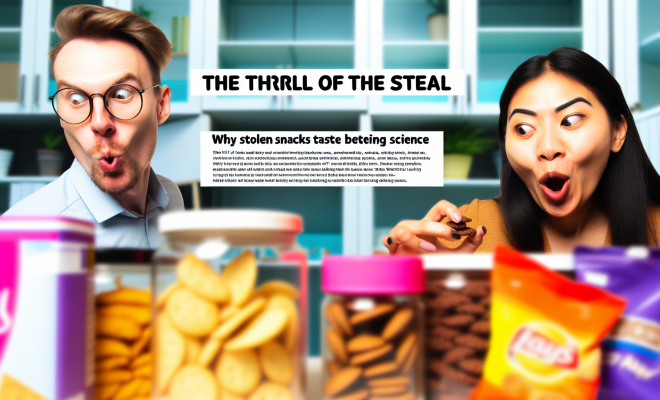
There’s something undeniably enticing about sneaking a chip from someone else’s plate. Whether it’s a casual gathering with friends or a family dinner, the act of pilfering a crispy snack seems to carry an unspoken thrill. But what is it about stolen food that makes it taste so much better? A recent study conducted by researchers at the Russian Medical Academy sheds light on this intriguing phenomenon, revealing that the flavor experience is significantly enhanced when food is taken without permission.
The Study’s Findings
Published in the journal Food Quality and Preference, the research involved 120 participants who were asked to rate the taste of chips under different circumstances. The results were startling: stolen chips received flavor, crispiness, and saltiness ratings that were, on average, 40% higher than those of chips served directly from a plate. This finding raises questions not only about our taste buds but also about the psychological factors influencing our enjoyment of food.
The Psychological Thrill of the Steal
According to the researchers, one of the primary reasons behind the enhanced flavor of stolen chips is the psychological thrill associated with the act of stealing. Engaging in a moral transgression can lead to a heightened emotional state, which in turn amplifies sensory experiences. The participants in the study reported that the thrill of stealing made the chips taste better, suggesting that our emotional responses are intricately linked to how we perceive the flavor of food.
The Forbidden Fruit Effect
Another concept at play is the ‘forbidden fruit effect,’ a psychological principle that posits that items deemed off-limits become more desirable. When we perceive something as unattainable or forbidden, it often increases our desire for it. This is particularly relevant when considering food, as cravings can intensify when we feel we shouldn’t indulge. In the context of the study, the idea of ‘stealing’ chips makes them more appealing than if they were offered freely.
Understanding Taste Perception
Taste perception is a complex interplay of sensory input, emotional response, and context. The brain processes flavors not just through the taste buds but also through a myriad of other senses, including smell and sight. The act of stealing food interrupts the usual consumption pattern, creating a unique experience that can heighten our enjoyment.
The Role of Risk and Reward
The researchers also found that the greater the risk involved in stealing, the more enhanced the taste experience. This aligns with principles of behavioral psychology, where the anticipation of a reward—coupled with the potential for consequences—can amplify the overall experience. When participants felt they might be caught in the act, their enjoyment of the chips increased, demonstrating how risk can transform a mundane snack into a thrilling escapade.
Cultural Perspectives on Food Theft
The phenomenon of food theft isn’t just about individual psychology; it also has cultural implications. Throughout history, the act of stealing food has been depicted in literature, film, and social commentary. From classic tales of Robin Hood to modern comedies depicting food snatching as a humorous act, stealing food has become a relatable theme that resonates across cultures.
Food Sharing and Social Dynamics
In many cultures, sharing food is a symbol of hospitality and community. However, when someone takes food without asking, it can create tension or conflict. The social dynamics of food sharing are intricate and can vary significantly based on cultural norms. Understanding these dynamics can provide deeper insights into why stealing food—especially in social settings—can evoke strong emotional responses.
Implications for Food Marketing and Consumption
The findings of this study may have significant implications for food marketing and consumption. Marketers often use scarcity and exclusivity as tactics to increase the desirability of products. The ‘forbidden fruit effect’ could be leveraged to create more engaging and appealing food products. For instance, limited-time offers or exclusive flavors might enhance consumer interest and enjoyment.
Creating Unique Dining Experiences
Restaurants and food vendors can also take cues from this research to create unique dining experiences. By incorporating elements of surprise or risk into the dining experience—such as serving food in unconventional ways or creating exclusive tasting events—chefs may enhance the overall flavor experience for patrons.
Conclusion
The act of stealing food, particularly chips, may seem trivial, but it opens up a fascinating discussion about the psychology of taste and enjoyment. The findings from the Russian Medical Academy highlight the profound impact that emotional states and social contexts have on our perception of food. As we navigate the complexities of culinary enjoyment, it becomes clear that food is more than just sustenance; it is intertwined with our emotions, relationships, and cultural narratives.
Future Research Directions
While this study offers valuable insights, it also raises questions that warrant further exploration. Future research could delve deeper into how different types of food are affected by the thrill of stealing, and whether the same principles apply across various cultural contexts. Investigating the neural mechanisms behind these experiences could also provide a more comprehensive understanding of taste perception.
As we continue to explore the interplay between psychology and food, one thing remains certain: the next time you find yourself eyeing someone else’s plate, remember that the thrill of the steal might just make those chips taste even better.


