Mortgage Rates Forecast 2026: Act Now or Wait?
“`html
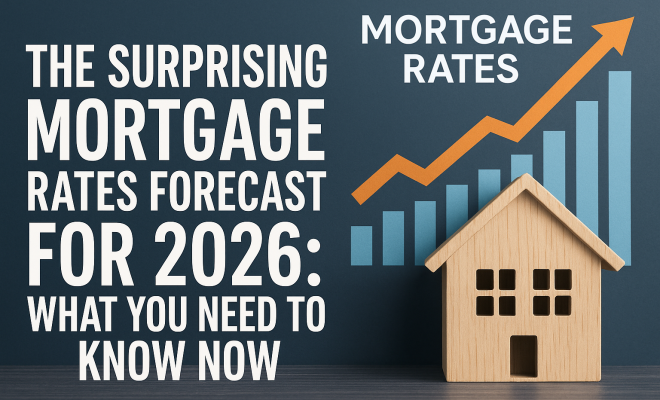
As we step into 2026, the mortgage landscape is evolving rapidly, and understanding where mortgage rates are headed can make a significant difference for potential homebuyers and homeowners looking to refinance. The mortgage rates forecast for 2026 has become a hot topic, with many experts weighing in on what the future holds. Recent trends indicate a slight uptick in mortgage rates, creating urgency for buyers who are uncertain about whether to act now or wait for potential declines later this year.
The Current State of Mortgage Rates in Early 2026
As of March 23, 2026, the average 30-year fixed mortgage rate has risen to 6.5%. This shift marks a departure from the low-6% range that many buyers enjoyed just weeks before. This increase is significant and has left many wondering how it will impact their homebuying decisions. For those who secured mortgages during the historically low rates of 2020 and 2021, this new reality may raise concerns about refinancing options.
The recent uptick in rates can be attributed to a combination of factors, including an oil shock that has reverberated through the economy and a pause on rate cuts by central banks. These developments have led to increased volatility in the mortgage market, causing both anxiety and urgency among potential homebuyers.
What Experts Are Saying About Mortgage Rates
Despite the recent increase in mortgage rates, experts remain cautiously optimistic about the long-term outlook. Organizations such as the National Association of Realtors (NAR), Zillow, Fannie Mae, and the Mortgage Bankers Association are predicting that rates will drop to around 6% or lower by the end of 2026. This forecast provides a glimmer of hope for buyers who may be hesitating due to the current rates.
The divergence of opinions among experts is creating a ‘fear of missing out’ (FOMO) scenario. Buyers are increasingly anxious about potential rate declines and possible home price increases, both of which could significantly affect their purchasing power. For those on the fence, the question becomes: should you jump into the market now or wait?
The Factors Influencing Mortgage Rates
Understanding the factors that influence mortgage rates is crucial for anyone considering buying a home or refinancing. Here are some key elements:
- Economic Indicators: Inflation, employment rates, and GDP growth play significant roles in determining mortgage rates. When the economy is strong, rates tend to rise.
- Central Bank Policies: The Federal Reserve’s decisions regarding interest rates can directly impact mortgage rates. A pause in rate cuts can lead to higher borrowing costs.
- Global Events: Events such as geopolitical tensions or commodity price shocks, like recent oil price spikes, can cause fluctuations in interest rates.
Understanding these factors helps homebuyers make informed decisions about when to enter the market.
Timing the Market: Should You Buy Now or Wait?
The decision to buy a home or refinance isn’t easy, especially in a fluctuating market. Timing can be critical, and potential homebuyers often find themselves caught between the fear of rising rates and the hope of lower rates in the near future.
For those who secured mortgages during the pandemic, many are weighing their options to refinance. However, the recent uptick in rates makes this decision a bit more complex. If rates do indeed drop later in the year, waiting could result in potential savings. Yet, if rates continue to rise or if home prices increase due to demand, waiting might mean paying more in the long run.
Ultimately, your decision should factor in your personal financial situation, your long-term housing goals, and the local real estate market conditions.
The Emotional Component of Homebuying
Buying a home is not just a financial decision; it’s also deeply emotional. The prospect of owning a home often comes with dreams of stability, family, and personal achievement. As rates rise and fall, this emotional component can intensify the anxiety felt by prospective buyers.
Many are left wondering if they’re making the right move. The emotional weight of potentially losing out on a great property or facing higher payments is substantial. For buyers, understanding the emotional aspects can help them make more rational decisions amid the chaos of fluctuating rates. (See: mortgage rates forecast for 2026.)
Regional Variations in Mortgage Rates
It’s important to remember that mortgage rates can vary significantly by region. Factors such as local economic conditions, inventory levels, and demand can all influence what rates buyers might encounter in their specific markets.
For example, areas experiencing rapid job growth or population influxes may see higher demand for housing, which could lead to rising home prices and, in turn, higher mortgage rates. Conversely, regions with declining populations or economic challenges may see more competitive rates as lenders seek to attract buyers.
Buyers should pay attention not only to national trends but also to local indicators that could affect their purchasing power.
Strategies for Homebuyers in 2026
With so much uncertainty in the mortgage landscape, having a strategy can be beneficial for potential homebuyers. Here are some actionable tips to consider:
- Stay Informed: Keep an eye on economic indicators and expert predictions about mortgage rates. Knowledge is power.
- Consult Professionals: Work with real estate agents and mortgage brokers who understand the local market and can provide tailored advice.
- Assess Your Finances: Evaluate your financial situation, including credit score and debt-to-income ratio, to ensure you’re prepared for whatever rates may come.
- Be Flexible: Be prepared to act quickly if you find a property you love. The right home can be worth a higher rate if it fits your long-term plans.
Implementing these strategies may help you navigate the uncertain waters of the 2026 mortgage market.
The Importance of Long-Term Planning
While current rates are a critical consideration, homebuyers should also think about their long-term plans. Are you planning to stay in your home for several years, or is this a short-term investment? Understanding your housing timeline can guide your decision-making process.
If you plan to stay in your home for the long haul, locking in a mortgage rate today—despite current fluctuations—may be beneficial. This can protect you from the risk of rising rates in the future. On the other hand, if you foresee needing to move within a few years, a more cautious approach may be warranted.
The Future of Mortgage Rates Beyond 2026
As we look beyond 2026, it’s essential to consider how today’s decisions can impact your future. Experts suggest that while rates may drop later this year, the broader economic landscape remains uncertain. This uncertainty could lead to fluctuating rates for years to come.
Homebuyers should keep an eye on broader economic trends, as shifts in inflation, employment, and the global economy can all influence mortgage rates down the line. It’s also worth noting that technological advancements and shifts in consumer preferences could reshape the real estate market in unexpected ways.
Understanding the Mortgage Process in 2026
For first-time homebuyers, navigating the mortgage process can feel overwhelming. As you embark on this journey in 2026, it’s important to understand the steps involved:
- Pre-approval: Before you start house hunting, getting pre-approved can help you understand how much you can borrow and streamline the buying process.
- Shopping for Lenders: Don’t settle for the first lender you meet. Compare interest rates, fees, and customer service to find the best fit for your needs.
- Home Inspection: Once you find a potential home, a thorough inspection can reveal issues that may affect your purchasing decision.
- Finalizing the Loan: After you make an offer and it’s accepted, you’ll work with your lender to finalize your mortgage. This includes locking in your rate, providing necessary documentation, and navigating the underwriting process.
Being informed about these steps will help you feel more confident as you move forward with your homebuying journey.
How Mortgage Types Affect Your Rate
It’s essential to understand the different types of mortgage products available, as they can significantly impact the rates you may be offered. Here’s a brief overview:
- Fixed-Rate Mortgages: The most common type, fixed-rate mortgages lock in your interest rate for the life of the loan, providing stability in your monthly payments.
- Adjustable-Rate Mortgages (ARMs): These loans typically offer lower initial rates that adjust periodically based on market conditions. While they can be beneficial in the short term, they come with risks of increased payments.
- Government-Backed Loans: FHA, VA, and USDA loans are designed for specific borrower circumstances. These often come with lower rates and down payment requirements but may have stricter eligibility criteria.
Choosing the right mortgage type for your financial situation can save you money in the long run. (See: impact of economic factors on housing.)
Expert Insights on Future Trends
Leading economists and industry experts have offered their insights into the factors that will shape mortgage rates in the coming years. Most agree that technological advancements will increase efficiency in the lending process, potentially influencing rates.
For instance, the rise of online mortgage platforms has made the application process quicker and easier, allowing lenders to operate with lower overhead costs. This increased efficiency may lead to more competitive pricing in the mortgage market, benefiting future homebuyers.
Additionally, shifting demographics, particularly the increasing presence of millennials and Gen Z in the housing market, will influence demand and consequently, mortgage rates. As more young people enter the market, the housing supply will be tested, potentially driving prices and rates higher if supply cannot keep up.
Frequently Asked Questions (FAQ)
1. How can I prepare for rising mortgage rates?
Start by improving your credit score, saving for a larger down payment, and getting pre-approved for a mortgage. This preparation can increase your chances of obtaining a better rate even in a rising rate environment.
2. What should I do if I currently have a mortgage with a higher interest rate?
Consider refinancing your mortgage if rates fall significantly. However, weigh the costs of refinancing against the potential savings. Consulting a financial advisor can help you make a better decision.
3. How often do mortgage rates change?
Mortgage rates can change daily based on economic factors, including inflation data, employment statistics, and the Federal Reserve’s monetary policy. Keeping an eye on these indicators will help you understand when the best time to lock in rates might be.
4. What are the risks of waiting to purchase a home?
Waiting can be risky; if rates continue to rise, you may end up paying more in interest over the life of the loan. Additionally, home prices may increase, further stretching your budget. Weigh the risks versus the potential benefits of waiting.
5. Are there any special loan programs for first-time homebuyers?
Yes, there are several programs designed to assist first-time buyers, including FHA loans, VA loans for veterans, and state-specific assistance programs that offer down payment help and lower rates. Research these options to find what best suits your situation.
The Role of Technology in the Mortgage Process
In today’s digital age, technology is transforming the mortgage process. From online applications to AI-driven underwriting systems, technological advancements are making it easier for homebuyers to navigate their options.
For example, many lenders now offer online platforms where you can complete your mortgage application in minutes. These platforms provide instant access to your credit score, allowing you to see where you stand before applying. Additionally, some companies use automation to streamline the approval process, reducing the time it takes to finalize loans.
Furthermore, tools like mortgage calculators and comparison websites enable buyers to estimate their monthly payments and compare rates easily, helping them make more informed decisions. (See: recent trends in mortgage rates.)
Comparing Fixed vs. Adjustable-Rate Mortgages
When choosing a mortgage, it’s essential to consider the pros and cons of fixed-rate versus adjustable-rate mortgages (ARMs). Fixed-rate mortgages offer stability, which can be especially appealing in a volatile market. Knowing exactly what your monthly payment will be for the term of the loan can provide peace of mind.
On the other hand, ARMs generally start with lower rates, which can make them attractive for buyers who plan to stay in their homes for a shorter period. However, the risk is that after the initial fixed period, rates can adjust to market levels, which may lead to significantly higher payments.
Buyers should assess their financial situation and future plans carefully to determine which option best suits their needs. For some, the lower initial payments of an ARM may outweigh the risks, while others might prefer the predictability of a fixed-rate mortgage.
Market Predictions and Their Implications
Market predictions for mortgage rates in 2026 have varied widely, depending on economic conditions. According to a recent survey by the Mortgage Bankers Association, many believe that rates will stabilize around 6% by the end of the year. In contrast, others suggest that inflationary pressures could drive rates up further, potentially exceeding 7%.
These divergent predictions underscore the importance of remaining vigilant and flexible in your homebuying strategy. If rates do rise more than expected, potential buyers may find themselves facing affordability challenges. Alternatively, if rates decline, a rush of buyers could flood the market, driving home prices higher.
For prospective homeowners, it’s essential to have a plan in place that allows for rapid action, especially in a fast-moving market.
Final Thoughts
The mortgage rates forecast for 2026 presents both challenges and opportunities for homebuyers. With rates currently on the rise, the urgency to act may feel heightened. However, expert predictions that rates will decline again by the end of the year may offer some reassurance.
The key takeaway? Stay informed, assess your individual situation, and be prepared to make timely decisions. The housing market is always in flux, and understanding where mortgage rates stand can help you navigate these waters with confidence.
“`
Trending Now
Frequently Asked Questions
What are the current mortgage rates in 2026?
As of March 23, 2026, the average 30-year fixed mortgage rate has risen to 6.5%. This increase marks a significant change from the low-6% range that many buyers experienced just weeks prior.
Why are mortgage rates increasing in 2026?
The recent uptick in mortgage rates can be attributed to several factors, including an oil shock affecting the economy and a pause on rate cuts by central banks, leading to increased volatility in the mortgage market.
What do experts predict for mortgage rates by the end of 2026?
Experts, including those from the National Association of Realtors and Fannie Mae, predict that mortgage rates may drop to around 6% or lower by the end of 2026, providing hope for potential homebuyers.
Should I buy a house now or wait for lower mortgage rates?
Given the current increase in mortgage rates, potential homebuyers are feeling urgency. However, with predictions of rates possibly declining later in 2026, buyers must weigh the risk of missing out against potential future savings.
How does the increase in mortgage rates affect refinancing options?
For homeowners who secured mortgages during the historically low rates of 2020 and 2021, the current rise to 6.5% may raise concerns about refinancing options, as the benefits may not outweigh the costs in the current market.
What’s your take on this? Share your thoughts in the comments below — we read every one.