MMO Communities: Building & Navigating Virtual Societies
Introduction
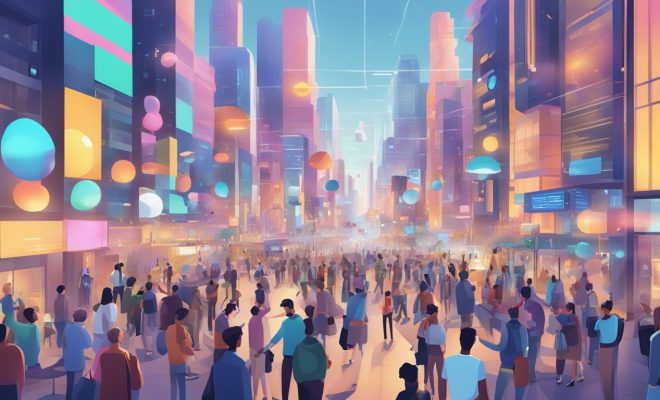
Massively Multiplayer Online (MMO) games are more than just digital playgrounds; they are complex social ecosystems where millions of players interact, collaborate, and compete. These virtual worlds have given rise to unique social dynamics that mirror, and in some ways surpass, those found in the physical world. This article explores the intricate social structures that emerge within MMO communities, examining how players form relationships, create economies, and establish hierarchies in these digital realms.
The Formation of Guilds and Alliances
One of the most fundamental social structures in MMOs is the guild or clan system. These player-created organizations serve multiple purposes, from providing a sense of belonging to facilitating group activities. Guilds often develop their own cultures, hierarchies, and rules, creating microcosms within the larger game world. The process of joining, maintaining, and leading a guild mirrors many aspects of real-world social organizations, teaching players valuable lessons in leadership, teamwork, and conflict resolution.
Virtual Economies and Player-Driven Markets
Many MMOs feature complex in-game economies where players can trade goods and services. These virtual marketplaces often operate on principles similar to real-world economies, with supply and demand driving prices and player behavior. Some games, like “Eve Online,” are renowned for their player-driven economies, where industrious individuals can amass vast virtual fortunes through crafting, trading, or even corporate espionage. The emergence of these economic systems has led to fascinating studies in virtual economics and has even attracted the attention of real-world economists.
Social Hierarchies and Status
Just as in the physical world, MMO communities often develop intricate social hierarchies. Players may gain status through their achievements, wealth, or contributions to the community. High-level gear, rare mounts, or prestigious titles become symbols of status, driving player behavior and social interactions. This pursuit of status can lead to both positive outcomes, such as players helping others to gain recognition, and negative ones, like elitism or exclusionary practices.
The Role of Communication Tools
Communication is the lifeblood of MMO communities, and games have evolved sophisticated tools to facilitate player interaction. From in-game chat systems to voice communication software, these tools allow players to coordinate complex activities and form lasting friendships. Many players report forming deep, meaningful relationships with people they’ve never met in person, challenging traditional notions of friendship and community.
Community Events and Player-Created Content
MMOs often feature robust tools for players to create their own content and events. From in-game weddings to massive player-vs-player battles, these community-driven activities add depth and variety to the game world. Some games, like “Second Life,” take this concept to the extreme, providing players with tools to create virtually anything within the game world, resulting in a vibrant, player-driven culture.
The Impact of Anonymity and Identity
The anonymity provided by MMOs can have profound effects on player behavior and social dynamics. Some players use this anonymity to explore different aspects of their personality or to escape real-world prejudices. However, this anonymity can also lead to negative behaviors like trolling or harassment. Many games struggle with balancing the freedom of anonymity with the need for accountability in their communities.
Cross-Cultural Interactions
MMOs often bring together players from diverse cultural backgrounds, creating unique opportunities for cross-cultural exchange. Players may find themselves collaborating with individuals from across the globe, learning about different cultures and perspectives in the process. This global interaction can foster understanding and friendship across national and cultural boundaries, though it can also lead to conflicts rooted in cultural differences.
The Emergence of Virtual Celebrities
Within MMO communities, certain players may rise to celebrity status due to their achievements, personality, or contributions to the community. These virtual celebrities can wield significant influence, shaping community norms and even affecting the development of the game itself. The phenomenon of MMO celebrities has expanded beyond the games themselves, with many popular players building large followings on streaming platforms and social media.
Dealing with Conflict and Governance
As in any society, conflicts inevitably arise in MMO communities. Games have developed various systems to manage these conflicts, from player-run judicial systems to automated moderation tools. The ways in which games handle conflict resolution and community governance can have significant impacts on the overall health and stability of their virtual societies.
The Blurring of Virtual and Real Worlds
As MMO communities have grown and matured, the line between virtual and real-world interactions has become increasingly blurred. Many players form real-world friendships or even romantic relationships with people they meet in-game. Some MMO communities organize real-world meetups or conventions, bringing their virtual connections into the physical world. This blending of virtual and real-world social dynamics presents both opportunities and challenges for players and game developers alike.
Conclusion
The social dynamics of MMO communities offer a fascinating glimpse into the nature of human interaction and society. These virtual worlds serve as laboratories for social experimentation, allowing us to observe how people behave, organize, and interact when freed from many of the constraints of the physical world. As MMOs continue to evolve and virtual reality technologies advance, the line between virtual and real-world social dynamics may blur even further, potentially reshaping our understanding of community, identity, and human interaction in profound ways.