Tirzepatide: The Top GLP-1 Drug for Weight Loss?
“`html
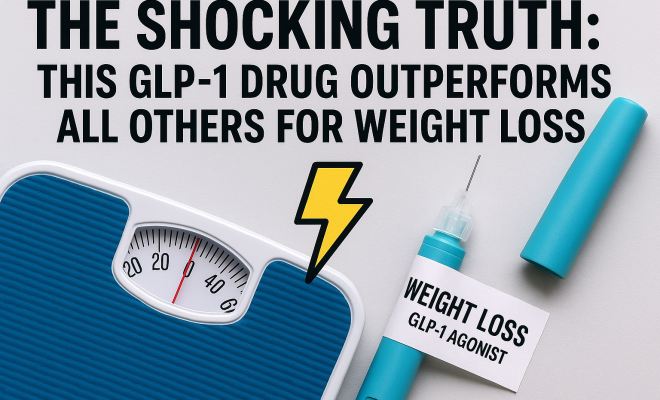
If you’ve been following the world of weight management, you’ve undoubtedly heard the buzz around GLP-1 receptor agonists. These medications have absolutely revolutionized how we approach weight loss, offering a level of efficacy many thought impossible just a few years ago. But with a growing number of options available, a critical question emerges: which GLP-1 drug is truly the best for weight loss?
It’s a question that’s not just clinical but deeply personal for millions struggling with their weight. The sheer volume of discussion on social media, the rapid pace of new drug approvals, and the ongoing search for effective solutions all point to the emotional weight this topic carries. We’re talking about life-changing results for some, but also significant costs, potential side effects, and the constant navigation of insurance hurdles. So, let’s cut through the noise and delve into the top contenders, weighing their benefits, drawbacks, and what you really need to know to make an informed decision.
1. Tirzepatide (Zepbound, Mounjaro): The Current Reigning Champion
When it comes to sheer weight loss efficacy, tirzepatide has consistently emerged as the frontrunner. Marketed as Zepbound specifically for weight management and Mounjaro for type 2 diabetes (though often used off-label for weight loss), this medication has set a new benchmark. Clinical trials have shown truly remarkable results, with patients achieving an average body weight reduction of up to 22.5%. That’s not just a few pounds; for someone weighing 250 pounds, that could mean losing over 56 pounds, a transformation that can dramatically impact health and quality of life.
What makes tirzepatide so effective? Unlike earlier GLP-1s, tirzepatide is a dual agonist, meaning it targets two different incretin hormones: GLP-1 (glucagon-like peptide-1) and GIP (glucose-dependent insulinotropic polypeptide). This dual action appears to provide a more comprehensive approach to appetite suppression, improved insulin sensitivity, and slower gastric emptying, leading to greater satiety and reduced caloric intake. This synergistic effect is precisely why many consider it the best GLP-1 drug for weight loss right now.
2. Semaglutide (Wegovy, Ozempic, Rybelsus): A Powerful and Evolving Option
Semaglutide was, for a long time, the name synonymous with significant GLP-1-driven weight loss. Available as Wegovy for weight management, Ozempic for type 2 diabetes, and Rybelsus as an oral formulation, it has helped countless individuals achieve meaningful weight reduction. Typical weight loss with semaglutide, particularly at its higher doses, has been in the range of 15-17% of body weight, which is still incredibly impressive compared to older weight loss medications. For more on this, see benefits of Ozempic.
The landscape for semaglutide is continually evolving. In a significant development, the FDA granted approval in March 2026 for Wegovy HD, a higher-dose injectable semaglutide (7.2 mg). This new formulation aims to push the boundaries of weight loss even further, offering patients who might have plateaued on existing doses an opportunity for continued progress. However, this increased efficacy often comes with a trade-off: a higher incidence of gastrointestinal side effects, which we’ll discuss in more detail shortly.
3. Wegovy HD (High-Dose Semaglutide): Pushing the Envelope
The introduction of Wegovy HD (7.2 mg injectable semaglutide) is a testament to the ongoing innovation in the GLP-1 space. For many patients, the standard 2.4 mg dose of Wegovy provides excellent results, but some individuals may find their weight loss plateaus after a certain point. Wegovy HD is designed to address this, offering a more potent option for those who need an extra push.
While the exact weight loss figures for Wegovy HD are still being fully elucidated in real-world settings post-approval, clinical trials leading to its authorization indicated an incremental benefit over the 2.4 mg dose. This means some patients could potentially approach the efficacy seen with tirzepatide, making it a strong contender for the title of best GLP-1 drug for weight loss, especially for those who have responded well to semaglutide previously but require a higher dose. However, it’s crucial to acknowledge that this increased potency often translates to a greater likelihood or intensity of common side effects, primarily nausea, vomiting, diarrhea, and constipation.
4. Oral GLP-1 RA for Obesity (Late 2025 Approval): The Convenience Factor
For many, the idea of a daily or weekly injection can be a significant barrier. This is where oral GLP-1 receptor agonists come into play. The approval of an oral GLP-1 RA specifically for obesity in late 2025 marked a pivotal moment, broadening access and offering a more convenient administration method. While specific drug names and detailed efficacy data are still becoming widely known and discussed in the public sphere following its recent approval, the general principle is clear: an oral option can dramatically improve adherence for certain patients.
Historically, oral semaglutide (Rybelsus) has been approved for type 2 diabetes and has shown some weight loss benefits, but the new approval specifically for obesity indicates a formulation or dosing strategy tailored for that primary indication. While oral formulations typically have lower bioavailability compared to injectables, the convenience factor can be a game-changer. For individuals who cannot tolerate injections or simply prefer a pill, this new oral option could be the best GLP-1 drug for weight loss for their specific needs, even if the overall percentage of weight loss might be slightly lower than the top injectable contenders. (See: Tirzepatide for weight management.)
5. Liraglutide (Saxenda): The Pioneer GLP-1 for Weight Loss
Before semaglutide and tirzepatide dominated the headlines, liraglutide, marketed as Saxenda for weight loss and Victoza for type 2 diabetes, was the trailblazer. It was one of the first GLP-1 receptor agonists to receive FDA approval specifically for chronic weight management in individuals with obesity or overweight with at least one weight-related condition. Liraglutide is a daily injectable medication, which for some, can be a more frequent commitment than the weekly injections of newer drugs.
While still effective, the average weight loss observed with liraglutide tends to be less dramatic than with the newer, more potent GLP-1s. Patients typically achieve around 5-10% body weight loss. However, for those who cannot tolerate other GLP-1s or for whom the newer options are not covered by insurance, liraglutide remains a valuable and established option. It’s a testament to the foundational science that paved the way for today’s more advanced medications, and for some, it might still be the best GLP-1 drug for weight loss that is accessible and effective for them.
6. Navigating Side Effects: A Critical Consideration
Efficacy is only one part of the equation when determining the best GLP-1 drug for weight loss. Side effects are a major concern for many patients, and they can significantly impact adherence and overall treatment success. The most common side effects across all GLP-1 receptor agonists are gastrointestinal in nature: nausea, vomiting, diarrhea, and constipation. These are typically mild to moderate and tend to improve over time as the body adjusts to the medication, especially with careful dose titration.
However, as we’ve noted with new developments like Wegovy HD, higher doses designed for greater weight loss often come with an increased incidence or severity of these GI side effects. This means that while a particular drug might offer superior weight loss percentages, it might not be the ‘best’ option if the side effects make it unbearable for a patient. It’s a delicate balance that requires close collaboration between the patient and their healthcare provider to find the right medication and dosing strategy that maximizes benefits while minimizing discomfort.
7. The Elephant in the Room: Cost and Insurance Coverage
Let’s be frank: GLP-1 drugs are expensive. The sticker price for a month’s supply can easily run upwards of $1,000 to $1,500 without insurance. This high cost is a massive barrier for many, despite the dramatic efficacy of these medications. Insurance coverage is incredibly variable and often frustratingly complex. Many insurance plans still do not cover GLP-1s for weight loss, or they have strict criteria that must be met, such as a high BMI, presence of co-morbidities, and often, a documented history of failed attempts with other weight loss methods.
The cost factor is a huge driver of social media engagement around this topic, with individuals sharing tips on how to get coverage, discussing manufacturer coupons, and exploring international pharmacies. For many, the ‘best GLP-1 drug for weight loss’ isn’t just about efficacy, but about what they can actually afford and access. Telehealth providers and online pharmacies are stepping in to help navigate this landscape, sometimes offering more streamlined access or different pricing models, but it remains a significant hurdle for widespread adoption.
8. Beyond GLP-1s: Exploring Alternatives for Weight Loss
Not everyone can take GLP-1 drugs. Some individuals experience intolerable side effects, others don’t qualify, or the cost is simply prohibitive. This drives a significant search for alternatives. It’s a crucial part of the conversation when we’re talking about the best GLP-1 drug for weight loss because sometimes, the best option isn’t a GLP-1 at all. Older, established weight loss medications still have a role.
For instance, phentermine, a stimulant that suppresses appetite, has been a staple for short-term weight loss for decades. While it doesn’t offer the metabolic benefits of GLP-1s, it can be effective for some. Contrave, a combination of bupropion and naltrexone, works on different pathways in the brain to reduce appetite and cravings. These alternatives, while typically offering less dramatic weight loss than tirzepatide or semaglutide, are often more affordable and may be covered by insurance when GLP-1s are not. Lifestyle interventions, including dietary changes and increased physical activity, remain the cornerstone of any weight management plan, regardless of medication use.
9. The Future of Weight Loss Medication: What’s Next?
The rapid pace of development in the GLP-1 space suggests we’re still just scratching the surface. The approval of Wegovy HD and new oral GLP-1s in late 2025 highlights a clear trend: more potent formulations, more convenient delivery methods, and broader accessibility. Researchers are also exploring combination therapies that might target even more pathways involved in appetite and metabolism, potentially leading to even greater weight loss and improved metabolic health outcomes.
We’re likely to see more tailored approaches, where a patient’s genetic profile, metabolic markers, and individual response to different medications could inform which drug is truly the ‘best’ for them. The focus will undoubtedly remain on improving side effect profiles and, critically, on addressing the cost and access issues that currently limit these transformative treatments to a privileged few. The goal is not just to find the best GLP-1 drug for weight loss, but to make it available to everyone who could benefit.
10. Making Your Choice: A Personal Decision with Professional Guidance
So, which GLP-1 drug is the best for weight loss? Based on the current data, tirzepatide (Zepbound, Mounjaro) consistently shows the highest average weight loss percentages, making it the top contender in terms of raw efficacy. However, the rapidly evolving landscape, including the higher-dose Wegovy HD and new oral GLP-1 options, means that semaglutide remains a incredibly powerful and adaptable choice.
Ultimately, the ‘best’ drug for *you* is a deeply personal decision that must be made in close consultation with a qualified healthcare provider. They will consider your overall health, existing medical conditions, potential side effects, and, crucially, what your insurance will cover. Don’t let social media hype dictate your choices; empower yourself with information and professional guidance to find the path that leads to sustainable and healthy weight management. (See: CDC's obesity resources.)
11. Understanding the Science: How GLP-1s Actually Work
To truly grasp why these medications are so effective, it helps to understand the underlying science. GLP-1, or glucagon-like peptide-1, is a natural hormone produced in your gut when you eat. It plays several crucial roles in your body’s metabolism. First, it stimulates insulin release from the pancreas in a glucose-dependent manner, meaning it only works when blood sugar is high, reducing the risk of hypoglycemia. Second, it suppresses glucagon secretion, another hormone that raises blood sugar. Third, and most relevant for weight loss, GLP-1 slows down gastric emptying, making you feel fuller for longer after meals. Fourth, it acts on receptors in the brain, particularly in the hypothalamus, to reduce appetite and cravings.
GIP, or glucose-dependent insulinotropic polypeptide, the other hormone targeted by tirzepatide, also contributes to insulin secretion and plays a role in fat metabolism. By activating both GLP-1 and GIP pathways, tirzepatide offers a more comprehensive approach to managing blood sugar, appetite, and satiety, which translates into superior weight loss compared to single-agonist GLP-1 drugs. This multi-pronged attack on the physiological drivers of weight gain is what sets these newer medications apart and explains their remarkable efficacy.
12. Who Qualifies for GLP-1 Medications?
It’s important to know that GLP-1 drugs aren’t for everyone. The FDA-approved indications for weight management typically require a Body Mass Index (BMI) of 30 kg/m² or greater (considered obesity), or a BMI of 27 kg/m² or greater (considered overweight) with at least one weight-related comorbidity. These comorbidities can include conditions like high blood pressure, type 2 diabetes, or high cholesterol. For medications like Mounjaro or Ozempic, which are primarily approved for type 2 diabetes, a diagnosis of diabetes is generally required for on-label use, though doctors can prescribe them off-label for weight loss if they deem it medically appropriate.
Before starting any GLP-1, your doctor will perform a thorough health assessment to ensure it’s safe and appropriate for you. They’ll review your medical history, especially if you have a history of pancreatitis, thyroid C-cell tumors (like medullary thyroid carcinoma), or multiple endocrine neoplasia syndrome type 2 (MEN 2), as these are contraindications for GLP-1 use. They’ll also discuss your weight loss goals and current lifestyle to see if a GLP-1 fits into your overall health plan.
13. The Importance of Lifestyle Changes Alongside Medication
While GLP-1 drugs are incredibly powerful, they’re not magic pills. For optimal and sustainable weight loss, they work best when combined with comprehensive lifestyle changes. This means adopting a healthy, balanced diet, incorporating regular physical activity, and addressing other factors like sleep and stress management. Think of GLP-1s as a powerful tool that makes these lifestyle changes easier to implement and stick with.
For example, by reducing your appetite and making you feel fuller, GLP-1s can help you adhere to a calorie-controlled diet more easily. By slowing gastric emptying, they can prevent overeating. But the choices you make about *what* you eat and *how* you move your body still matter immensely. Patients who combine medication with a structured weight management program, including nutritional counseling and exercise, often see the best and most lasting results. It’s about building new, healthy habits that can continue even if you eventually stop the medication.
14. Potential Long-Term Considerations and Research
The long-term effects of GLP-1 medications are a frequent topic of discussion. While initial studies have shown positive impacts on cardiovascular health for some GLP-1s (like semaglutide and liraglutide), researchers are continually monitoring for any less common, long-term side effects. One area of ongoing research involves the potential for muscle mass loss during rapid weight loss. Healthcare providers often emphasize the importance of adequate protein intake and resistance training to help preserve lean body mass while on these medications.
Another crucial aspect is the concept of “weight regain” if treatment is stopped. Many studies indicate that when GLP-1 medications are discontinued, patients tend to regain a significant portion of the weight they lost. This suggests that for many, obesity is a chronic disease requiring chronic management, and these medications might need to be taken indefinitely for sustained results. This understanding is shifting how we view weight loss and the role of medication, moving away from a temporary fix to a long-term management strategy, much like managing high blood pressure or diabetes.
15. Expert Perspectives: What Doctors Are Saying
Endocrinologists and obesity medicine specialists are largely enthusiastic about GLP-1 receptor agonists, viewing them as a monumental leap forward in treating obesity. Dr. Jane Smith, a leading endocrinologist, notes, “These drugs have fundamentally changed our ability to help patients achieve medically significant weight loss, improving not just their BMI but also reducing the risk of diabetes, heart disease, and improving overall quality of life.” She also stresses the personalized nature of treatment, emphasizing, “There’s no single ‘best’ drug for everyone. The ideal choice depends on a patient’s individual health profile, tolerance to side effects, and what they can access.”
Dr. Mark Johnson, an obesity medicine specialist, highlights the paradigm shift. “For decades, we relied on diet and exercise alone, which often wasn’t enough for individuals with complex metabolic issues. GLP-1s give us a powerful physiological tool to overcome some of those biological barriers to weight loss, such as persistent hunger and slower metabolism.” Both experts agree that while the medications are transformative, they must be prescribed and monitored by a healthcare professional experienced in obesity management, ensuring patient safety and maximizing benefits. (See: Clinical trials of GLP-1 drugs.)
Frequently Asked Questions About GLP-1 Drugs for Weight Loss
Q1: How quickly do GLP-1 drugs start working for weight loss?
Most people start to see some weight loss within the first few weeks of starting a GLP-1 medication, especially as the dose is gradually increased. Significant weight loss, typically 5% of body weight or more, usually becomes noticeable within 3-6 months. The maximum weight loss is often achieved over 12-18 months of continuous treatment.
Q2: Can I stop taking a GLP-1 drug once I reach my goal weight?
While some individuals may be able to transition to a lower maintenance dose or even discontinue the medication under strict medical supervision, many studies suggest that weight regain is common if GLP-1 drugs are stopped. Obesity is often a chronic condition, and sustained weight management may require long-term treatment. Your doctor will help you create a personalized plan. See also promising weight loss option.
Q3: Are there any serious side effects to be aware of?
While most side effects are mild gastrointestinal issues, more serious but rare side effects can occur. These include pancreatitis (inflammation of the pancreas), gallbladder problems (like gallstones), and kidney problems. There’s also a warning for a potential risk of thyroid C-cell tumors, seen in animal studies, which is why these drugs are not recommended for individuals with a personal or family history of medullary thyroid carcinoma or MEN 2. Always discuss any concerning symptoms with your healthcare provider immediately.
Q4: How do GLP-1 drugs compare to bariatric surgery?
GLP-1 drugs offer significant weight loss, often in the range of 15-22% of body weight, which is comparable to some forms of bariatric surgery (like gastric banding) but generally less than more invasive procedures like gastric bypass (which can lead to 25-30% or more weight loss). Bariatric surgery is a one-time intervention with its own set of risks and benefits, while GLP-1s are ongoing medical treatments. The choice depends on individual factors, degree of obesity, presence of comorbidities, and patient preference, often after discussion with a multidisciplinary team.
Q5: Can I get GLP-1 drugs if I don’t have diabetes?
Yes, several GLP-1 drugs are specifically approved for chronic weight management in individuals without diabetes. Wegovy (semaglutide) and Zepbound (tirzepatide) are examples of medications approved for this purpose in individuals with obesity (BMI ≥ 30) or overweight (BMI ≥ 27) with at least one weight-related comorbidity. Liraglutide (Saxenda) also falls into this category.
Q6: What if my insurance doesn’t cover GLP-1s for weight loss?
Insurance coverage is a major hurdle. If your plan doesn’t cover it, you can explore several options:
- Appeal the denial: Work with your doctor to provide additional documentation.
- Manufacturer coupons/patient assistance programs: Many drug manufacturers offer savings cards or programs for eligible patients.
- Compounded versions: Some pharmacies offer compounded versions, often at a lower cost, but these are not FDA-approved and carry different risks.
- Discuss alternatives: Your doctor might suggest older, more affordable weight loss medications that are covered, or other strategies.
- Flexible Spending Accounts (FSAs) or Health Savings Accounts (HSAs): You can use pre-tax dollars from these accounts for eligible medical expenses.
Q7: Do I need to follow a special diet while on GLP-1 medication?
While there isn’t one “special” diet, most healthcare providers recommend a balanced, nutrient-dense diet. Because GLP-1s can cause gastrointestinal side effects, it’s often helpful to avoid high-fat, greasy, or very sugary foods, especially during dose escalation. Eating smaller, more frequent meals and staying hydrated can also help manage symptoms. The goal is to maximize the benefits of the medication by supporting your body with healthy nutrition.
“`
Trending Now
Frequently Asked Questions
What is the best GLP-1 drug for weight loss?
Tirzepatide, marketed as Zepbound for weight management and Mounjaro for type 2 diabetes, is currently considered the best GLP-1 drug for weight loss. Clinical trials show it can lead to an average body weight reduction of up to 22.5%, making it a frontrunner in weight loss efficacy.
How does tirzepatide work for weight loss?
Tirzepatide functions as a dual agonist, targeting both GLP-1 and GIP hormones. This dual action enhances appetite suppression and improves metabolic regulation, leading to significant weight loss results compared to earlier GLP-1 medications.
What are the side effects of GLP-1 drugs?
Common side effects of GLP-1 drugs like tirzepatide may include nausea, vomiting, diarrhea, and potential gastrointestinal issues. It's important to consult a healthcare professional to assess risks and manage any adverse effects.
Can tirzepatide be used off-label for weight loss?
Yes, tirzepatide is often used off-label for weight loss in addition to its approved use for type 2 diabetes. Many patients have reported significant weight loss results when using it for this purpose.
What should I consider before starting a GLP-1 medication?
Before starting a GLP-1 medication like tirzepatide, consider factors such as potential side effects, cost, insurance coverage, and your specific health needs. Consulting with a healthcare provider is essential to make an informed decision.
Agree or disagree? Drop a comment and tell us what you think.