Political Surveillance: Digital Systems Empower State Control
“`html
The digital revolution has undeniably transformed our lives, offering unprecedented convenience and connectivity. But lurking beneath this surface is a troubling trend: the amplification of coercive state power through sophisticated digital systems. The growing prevalence of political surveillance is not just a concern for privacy advocates; it’s a phenomenon that is reshaping the very fabric of democracy.
The Coercive Power of Technology
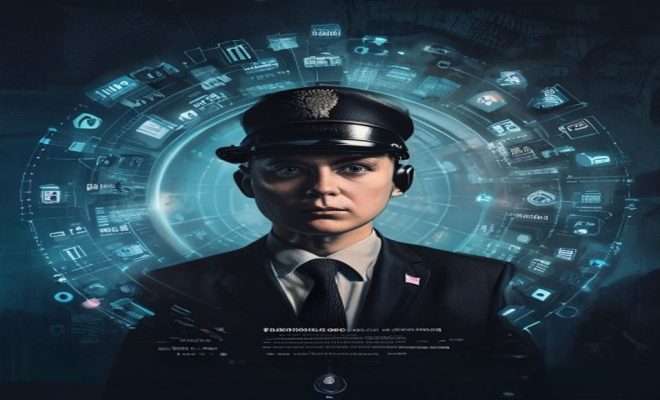
Recent revelations indicate that governments across the globe are increasingly utilizing digital tools to monitor citizens, suppress dissent, and retaliate against perceived threats. This alarming trend is a departure from the belief that technology would primarily serve to enhance personal freedoms and democratic engagement. Instead, we are witnessing a chilling shift towards greater state control fueled by artificial intelligence (AI) and data analytics.
As states integrate AI-driven surveillance systems, they are able to track activities with a level of precision and scope previously unimaginable. This evolution in state power poses significant challenges to civil liberties, privacy, and the fundamental principles of democracy.
A Global Surge in Political Surveillance
Interest in political surveillance has surged dramatically, with social media buzzing with discussions about the implications of this trend. Citizens are becoming increasingly aware of how their data is being utilized and the extent to which governments can intrude into their private lives. The conversation surrounding this issue has also been amplified by whistleblowers, activists, and tech ethicists sounding the alarm on these developments.
This increased scrutiny is not confined to any single region. From authoritarian regimes to ostensibly democratic states, the use of digital surveillance tools is becoming increasingly commonplace. For instance, reports from various countries indicate that local officials and courts are now subjected to heightened surveillance, reflecting a broader trend of institutional retaliation against those who dare to challenge state authority.
The Role of AI in Surveillance
Artificial intelligence plays a pivotal role in facilitating political surveillance. Through machine learning algorithms and big data analytics, governments can sift through vast amounts of information, identifying patterns that may suggest dissent or opposition. This capability can lead to preemptive measures against individuals or groups deemed a threat to the state.
Government agencies are not the only ones exploiting these systems. Private companies often collaborate with state entities, providing the technological infrastructure needed to support surveillance initiatives. This partnership raises serious ethical questions about the role of technology in society and the extent to which private interests can influence public policy.
The Impact on Civil Liberties
The implications of heightened political surveillance are far-reaching, affecting the very foundation of civil liberties. With the potential for constant monitoring, individuals may feel deterred from expressing their opinions, participating in protests, or engaging in other forms of political activism. This chilling effect undermines the principles of free speech and assembly, cornerstones of a functioning democracy.
Moreover, the risk of institutional retaliation—where courts and local officials face repercussions for dissenting from government policies—creates an environment of fear. Individuals are less likely to challenge the status quo when the potential for surveillance looms large. This erosion of trust in governmental institutions can lead to a disengaged and apathetic populace.
The Debate Among Stakeholders
The growing reliance on digital systems for political surveillance has sparked intense debates among various stakeholders. Tech ethicists, government officials, and civil rights advocates are engaging in discussions about the ethical ramifications of these technologies. (See: Information and Communication Technology.) For more on this, see data secrecy issues in schools.
Ethicists argue that the deployment of surveillance technologies must be accompanied by rigorous oversight and transparency. They emphasize that without proper checks, these systems can easily devolve into tools for oppression rather than security. On the other hand, some government officials argue that surveillance is necessary for maintaining public safety and national security, often citing instances of terrorism or civil unrest to justify their actions.
Public Reaction and Activism
As the conversation around political surveillance expands, so too does public awareness and activism. Citizens are increasingly recognizing the dangers posed by unchecked surveillance and the potential for erosion of civil rights. Social media has become a powerful tool for mobilizing opposition to invasive surveillance practices, allowing individuals to organize protests, raise awareness, and share information about their rights.
This activism takes many forms, from grassroots campaigns opposing specific surveillance initiatives to broader movements advocating for data privacy legislation. As more individuals become engaged, the push for accountability and reform is growing stronger.
The Role of Legislation and Policy
Legislative measures play a crucial role in shaping the trajectory of political surveillance. In response to rising public concern, some governments are beginning to introduce laws aimed at curbing invasive surveillance practices. These legislative efforts may include stricter regulations on data collection, transparency requirements, and increased oversight of surveillance technologies.
However, the effectiveness of such laws often depends on the political will to enforce them. In many instances, governments may prioritize security over civil liberties, leading to a reluctance to impose constraints on surveillance practices. This creates a challenging environment for advocates pushing for reform.
The Future of Political Surveillance
As technology continues to advance, the landscape of political surveillance is likely to evolve further. The integration of biometric data, facial recognition, and other sophisticated tools will only enhance governments’ capabilities to monitor citizens. This evolution raises urgent questions about the balance between security and privacy.
Experts warn that without proactive measures, the trajectory of surveillance will lean toward a more authoritarian model. Individuals must remain vigilant and informed about their rights and the implications of surveillance systems on their lives. The battle over privacy and civil rights is far from over.
New Technologies in Surveillance
The rise of the Internet of Things (IoT) has introduced a new dimension to political surveillance. Smart devices, from home assistants to wearable technology, continuously gather data that can be utilized by state authorities. Studies indicate that in many instances, the data collected by these devices can be accessed by government agencies, often without explicit user consent. For example, a report from the Electronic Frontier Foundation revealed that police have used data from fitness trackers in criminal investigations, raising significant privacy concerns.
Additionally, the development of 5G technology will likely enhance the capabilities of surveillance systems. With faster data transfer rates and more connected devices, the potential for real-time data collection could make surveillance even more invasive. Critics argue that this could pave the way for a surveillance state where every movement, conversation, and transaction is monitored.
Comparative Perspectives: Surveillance Practices Around the World
The practices of political surveillance vary significantly across different countries, influenced by cultural, legal, and political contexts. In authoritarian regimes like China, surveillance systems are deeply embedded in society, utilizing advanced technologies such as facial recognition and social credit systems to monitor and control the populace. The Chinese government has implemented a nationwide network of surveillance cameras, reportedly equipped with AI technology capable of identifying individuals in real-time.
In contrast, democratic nations like Germany and Canada have enacted strict laws to protect citizens from invasive surveillance practices. Germany’s Federal Constitutional Court has set a high standard for privacy protections, ruling that excessive surveillance violates fundamental rights. Canada has also taken steps to limit government surveillance, advocating for transparent oversight and accountability in data collection practices. (importance of privacy)
This comparison illustrates the divergent approaches to political surveillance and the varying levels of public resistance and legislative action in response to these practices. (See: Political Surveillance in the Digital Age.)
Statistics and Impact on Society
A recent survey conducted by Pew Research Center revealed that 81% of Americans feel that the risks of surveillance by the government outweigh the benefits. This sentiment is echoed in several other democratic nations, where citizens express concerns about privacy infringement and the potential misuse of data. Furthermore, studies indicate that political surveillance can lead to a decline in civic engagement; communities under heavy surveillance often experience a decrease in participation in public forums and protests.
The implications extend beyond individual privacy; they touch on the health of democracy itself. A report from Freedom House indicated that countries with high levels of surveillance often experience a decline in political rights and civil liberties. The same report found that as surveillance increases, so does the suppression of dissenting voices, leading to a homogenized public discourse where only government-approved narratives prevail.
Frequently Asked Questions About Political Surveillance
What is political surveillance?
Political surveillance refers to the monitoring of individuals or groups by government entities to gather information on political activities, opinions, and affiliations. This can include the use of digital technologies to track online behavior, communications, and movements.
How does political surveillance affect civil liberties?
Political surveillance can significantly undermine civil liberties by creating a climate of fear where individuals may feel discouraged from expressing dissenting opinions, participating in protests, or engaging in political activism. This chilling effect can lead to a decrease in free speech and diminish the vibrancy of democratic discourse.
What are the ethical concerns surrounding political surveillance?
Ethical concerns include privacy violations, lack of transparency, potential abuse of power, and the risk of discrimination. Without regulations and oversight, surveillance technologies can be misused, leading to oppression rather than protection.
What can be done to protect against political surveillance?
To protect against political surveillance, individuals can advocate for stronger privacy laws, participate in activism, and educate themselves about their rights. Using encryption tools for communication, being cautious about sharing personal information online, and supporting organizations that fight for civil liberties are also effective measures.
Is political surveillance legal?
The legality of political surveillance varies by country and context. In some places, surveillance practices are backed by law, while in others, they may violate privacy rights or constitutional protections. It’s essential for citizens to understand the laws governing surveillance in their respective countries.
How can technology be used positively in political contexts?
While technology can be misused for surveillance, it also has positive applications in political contexts. Tools like blockchain technology can enhance transparency in voting processes, while social media platforms can facilitate democratic engagement, allowing citizens to voice their concerns and organize movements. The key lies in ensuring these technologies are used ethically and responsibly.
What role do international organizations play in monitoring political surveillance?
International organizations like the United Nations and various human rights groups monitor and report on instances of political surveillance globally. They advocate for the protection of civil liberties and may impose sanctions or diplomatic measures against countries that violate citizens’ rights. Their involvement raises awareness and encourages accountability among governments.
The Role of Civil Society in Countering Surveillance
Civil society organizations play a vital role in advocating against political surveillance. These groups work to inform the public about their rights and the implications of surveillance on democracy. They conduct research, publish reports, and engage in lobbying efforts aimed at influencing policymakers to establish tighter regulations on surveillance practices. (See: The Rise of Surveillance Technology.) We covered student data protection concerns in more detail.
In many countries, grassroots movements have emerged to challenge surveillance initiatives. These movements highlight the importance of privacy as a fundamental human right and push for reforms that ensure accountability in government actions. For instance, organizations like the ACLU in the United States and Privacy International in the UK focus on legal challenges against unjust surveillance measures.
Emerging Trends in Political Surveillance
As technology evolves, new trends in political surveillance are emerging. One significant trend is the increasing use of predictive policing, where algorithms analyze data to forecast criminal activities. This can lead to preemptive surveillance of certain communities, often exacerbating racial and social biases.
Additionally, the rise of deepfakes and misinformation presents new challenges for political surveillance. Governments may use these technologies to manipulate public opinion or discredit dissenters. This dual-edge nature of technology complicates the landscape, as it can be used for both surveillance and misinformation campaigns, further eroding trust in institutions.
A Call for Global Cooperation on Privacy Standards
The globalization of technology necessitates a coordinated effort to establish universal privacy standards. Countries must collaborate to create frameworks that protect citizens from invasive surveillance while promoting innovation and security. This cooperation can foster trust among nations and bolster civil liberties on a global scale.
International agreements, similar to the General Data Protection Regulation (GDPR) in Europe, could set benchmarks for data protection and surveillance practices. A global approach would help prevent arbitrary surveillance practices and ensure that citizens’ rights are respected regardless of where they live.
Conclusion: A Call for Vigilance
The trends in political surveillance underscore the importance of remaining engaged as citizens. It’s crucial that individuals understand the implications of digital systems in amplifying state power and how these practices can undermine democratic values. As we navigate this complex landscape, a collective effort is required to advocate for transparency, accountability, and the protection of civil liberties.
The ongoing dialogue among tech ethicists, government officials, and civil rights advocates sheds light on the urgent need to address the challenges posed by political surveillance. As citizens, we must not only be aware but also active participants in shaping the future of our societies. Only through vigilance and advocacy can we ensure that technology serves to enhance democracy rather than diminish it.
“`
Trending Now
Frequently Asked Questions
What is political surveillance?
Political surveillance refers to the monitoring of individuals or groups by governments to track dissent, control behavior, and suppress opposition. This practice has intensified with the use of digital technologies, allowing states to gather and analyze vast amounts of data on citizens' activities.
How is technology used for state control?
Governments utilize advanced technologies like artificial intelligence and data analytics to enhance their surveillance capabilities. These tools enable them to monitor citizens' activities with unprecedented precision, often infringing on privacy and civil liberties while reinforcing state power.
What are the implications of increased political surveillance?
The rise of political surveillance poses significant threats to democracy, civil liberties, and privacy. It can lead to a chilling effect on free speech and dissent, as individuals may fear repercussions for expressing their views or engaging in activism.
Why are citizens concerned about political surveillance?
Citizens are increasingly aware of how their personal data is collected and used by governments, raising concerns about privacy violations and the potential for abuse of power. Discussions around political surveillance have been propelled by whistleblowers and activists, highlighting the risks to democratic freedoms.
Is political surveillance a global issue?
Yes, political surveillance is a global phenomenon affecting both authoritarian regimes and democratic states. As digital surveillance tools become more common, governments around the world are adopting these technologies, often leading to similar challenges regarding privacy and civil rights.
What did we miss? Let us know in the comments and join the conversation.