Gen Z & Sober Travel: Redefining Mindful Vacations
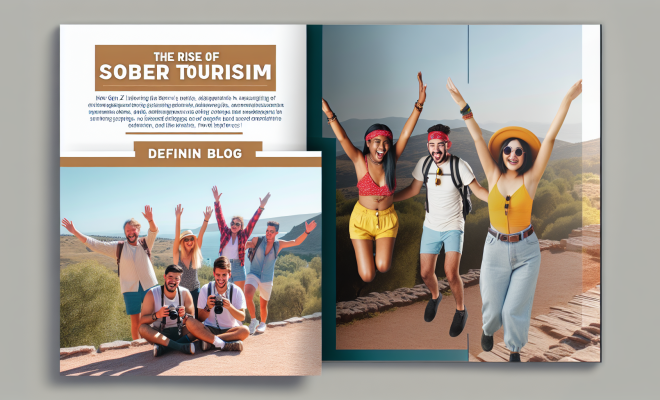
As the travel landscape continues to evolve, Generation Z is making waves by prioritizing mindful vacations over the traditional party-centric getaways of previous generations. This shift marks a notable departure from the conventional spring break culture that once dominated youth travel, ushering in an era where sober tourism is becoming increasingly popular.
The Shift Towards Mindfulness
According to recent industry analyses, young travelers are gravitating towards experiences that foster wellness and self-improvement. Instead of seeking out the loud nightlife that characterized past vacations, Gen Z is embracing a more holistic approach to travel, focusing on mental and physical well-being. This new trend has profound implications for the hospitality industry, as hotels and resorts adapt to meet the evolving preferences of their guests.
Luxury Accommodations Embrace Wellness
Luxury hotels, including renowned names like Wynn Resorts, are responding to this growing demand by introducing wellness-focused amenities and a range of alcohol-free options. These changes are designed to attract a demographic that values health and mindfulness over the traditional party scene.
- Wellness Retreats: Many resorts are now offering specialized wellness retreats that focus on yoga, meditation, and other holistic practices.
- Alcohol-Free Bars: Establishments are introducing alcohol-free drink options, allowing guests to enjoy social settings without the presence of alcohol.
- Healthy Dining: Menus are being revamped to include nutritious, locally sourced meals that cater to health-conscious travelers.
Changing Perspectives on Travel
This shift in travel preferences can be attributed to a broader change in cultural attitudes towards alcohol and wellness. For many in Gen Z, travel is no longer just about escapism; it is about personal growth and mindfulness. This generation is more likely to seek out experiences that enrich their lives and contribute to their overall well-being.
In addition, social media influences play a significant role in shaping these preferences. With platforms like Instagram and TikTok promoting healthy lifestyles and wellness trends, young travelers are increasingly drawn to destinations that align with their values. This change in mindset has prompted a reconsideration of what constitutes a good vacation.
Impact on Travel Industry
The hospitality industry is taking notice of this emerging trend. Hotels and resorts are not only changing their offerings but also their marketing strategies to attract this new wave of travelers. Experiential travel is on the rise, with a focus on activities that promote wellness and mindfulness.
- Nature Getaways: Eco-friendly accommodations that offer nature-based experiences, such as hiking and outdoor yoga, are becoming increasingly popular.
- Digital Detox Retreats: Some resorts are promoting technology-free zones, encouraging guests to disconnect from their devices and connect with themselves and nature.
- Cultural Experiences: Travelers are seeking authentic cultural experiences that allow them to immerse themselves in local traditions and practices.
Future of Travel: A Mindful Approach
As we look towards the future of travel in 2026 and beyond, it is clear that the travel industry will continue to evolve in response to the preferences of younger generations. The demand for sober tourism reflects a growing desire for meaningful and mindful travel experiences that prioritize wellness over indulgence.
This transformation is not just a fleeting trend; it represents a fundamental shift in how generations approach vacations. By prioritizing wellness, sustainability, and authenticity, Gen Z is challenging the status quo and redefining what it means to travel.
Conclusion
The rise of sober tourism signifies a pivotal moment in the travel industry. As hotels and resorts adapt their offerings to cater to the needs of mindful travelers, we can expect to see a broader embrace of wellness-oriented experiences across the globe. Whether through luxurious wellness retreats or alcohol-free social spaces, the future of travel promises to be both enriching and transformative.
In a world where balance is increasingly valued, the travel experiences of tomorrow will likely reflect a commitment to health, mindfulness, and personal growth, paving the way for a new era of travel that resonates with the values of Generation Z.