The Tech Edvocate

Top Menu

  • Advertisement
  • Apps
  • Home Page
  • Home Page Five (No Sidebar)
  • Home Page Four
  • Home Page Three
  • Home Page Two
  • Home Tech2
  • Icons [No Sidebar]
  • Left Sidbear Page
  • Lynch Educational Consulting
  • My Account
  • My Speaking Page
  • Newsletter Sign Up Confirmation
  • Newsletter Unsubscription
  • Our Brands
  • Page Example
  • Privacy Policy
  • Protected Content
  • Register
  • Request a Product Review
  • Shop
  • Shortcodes Examples
  • Signup
  • Start Here
    • Governance
    • Careers
    • Contact Us
  • Terms and Conditions
  • The Edvocate
  • The Tech Edvocate Product Guide
  • Topics
  • Write For Us
  • Advertise

Main Menu

  • Start Here
    • Our Brands
    • Governance
      • Lynch Educational Consulting, LLC.
      • Dr. Lynch’s Personal Website
      • Careers
    • Write For Us
    • The Tech Edvocate Product Guide
    • Contact Us
    • Books
    • Edupedia
    • Post a Job
    • The Edvocate Podcast
    • Terms and Conditions
    • Privacy Policy
  • Topics
    • Assistive Technology
    • Child Development Tech
    • Early Childhood & K-12 EdTech
    • EdTech Futures
    • EdTech News
    • EdTech Policy & Reform
    • EdTech Startups & Businesses
    • Higher Education EdTech
    • Online Learning & eLearning
    • Parent & Family Tech
    • Personalized Learning
    • Product Reviews
  • Advertise
  • Tech Edvocate Awards
  • The Edvocate
  • Pedagogue
  • School Ratings

logo

The Tech Edvocate

  • Start Here
    • Our Brands
    • Governance
      • Lynch Educational Consulting, LLC.
      • Dr. Lynch’s Personal Website
        • My Speaking Page
      • Careers
    • Write For Us
    • The Tech Edvocate Product Guide
    • Contact Us
    • Books
    • Edupedia
    • Post a Job
    • The Edvocate Podcast
    • Terms and Conditions
    • Privacy Policy
  • Topics
    • Assistive Technology
    • Child Development Tech
    • Early Childhood & K-12 EdTech
    • EdTech Futures
    • EdTech News
    • EdTech Policy & Reform
    • EdTech Startups & Businesses
    • Higher Education EdTech
    • Online Learning & eLearning
    • Parent & Family Tech
    • Personalized Learning
    • Product Reviews
  • Advertise
  • Tech Edvocate Awards
  • The Edvocate
  • Pedagogue
  • School Ratings
  • Zola Suite pricing 2026

  • How to become Airbnb Superhost

  • Yelp Elite status how to get

  • Rocket Matter vs CosmoLex comparison

  • Lawyaw vs Documate which is better

  • How to use Yelp for marketing

  • How many templates in Lawyaw

  • Can TripAdvisor reviews be edited

  • How to manage documents in Zola Suite

  • Filevine vs Litify features

Tech News
Home›Tech News›Physical AI’s Rise: India’s Robotics & Investment Boom

Physical AI’s Rise: India’s Robotics & Investment Boom
By Matthew Lynch
April 14, 2026
0
Spread the love

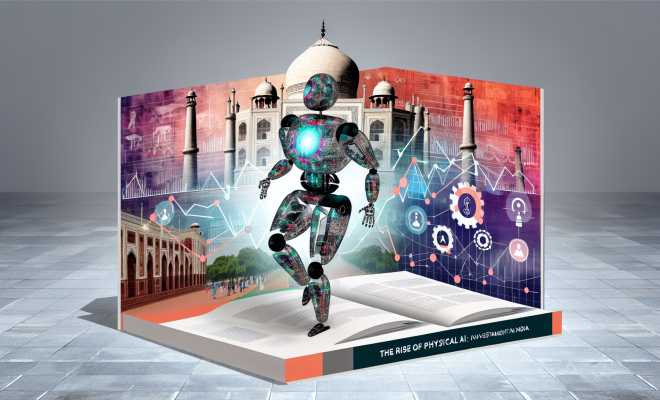
As the world progressively embraces artificial intelligence (AI), a notable shift is happening in India. Robotics and physical AI startups are attracting substantial investments, signaling a burgeoning confidence in this innovative sector. This trend highlights a growing investor enthusiasm for AI applications that extend beyond traditional software solutions, diving into the realms of robotics and autonomous systems.

Investment Surge in Physical AI

In a landscape that has historically favored software-driven innovations, the recent influx of capital into physical AI startups marks a significant evolution. According to reports, investments in this sector are witnessing an upward trajectory, reflecting increased interest from venture capitalists and angel investors alike. Startups such as Nudg.ai and GreyOrange are at the forefront of this transformation, developing sophisticated robotic systems that are set to redefine operational efficiency in various industries.

Why the Shift to Physical AI?

The shift towards physical AI can be attributed to several key factors:

  • Technological Advancements: Rapid advancements in robotics, machine learning, and sensor technologies are enabling startups to develop more capable and autonomous machines.
  • Market Demand: The increasing need for automation across sectors such as manufacturing, logistics, and healthcare is driving demand for physical AI solutions.
  • Government Support: Initiatives from the Indian government aimed at promoting innovation and technology are creating a favorable environment for startups in the AI space.
  • Global Trends: As global industries increasingly adopt AI technologies, Indian startups are keen to tap into these trends, leveraging their unique understanding of local markets.

Success Stories and Emerging Players

Several startups are leading the charge in the physical AI domain, showcasing the potential of robotics and automation. Nudg.ai, for instance, specializes in AI-driven solutions for the logistics sector, helping companies optimize their supply chains through intelligent inventory management systems. Their innovative approach has attracted attention from investors looking to capitalize on the growing demand for efficiency in logistics.

Another notable player, GreyOrange, focuses on automating warehouse operations using advanced robotic systems. Their robots are designed to work alongside human labor, enhancing productivity and accuracy in order fulfillment. The startup’s impressive growth trajectory exemplifies the potential of physical AI to transform traditional business practices.

Challenges Facing Physical AI Startups

Despite the promising landscape, physical AI startups face several challenges that could impact their growth:

  • High Development Costs: Creating advanced robotic systems requires significant investment in research and development, which can be a barrier for many startups.
  • Skill Shortages: There is a notable shortage of skilled professionals in the fields of robotics and AI, making it difficult for startups to build effective teams.
  • Regulatory Hurdles: Navigating the regulatory environment can be complex, particularly for startups looking to introduce innovative solutions in sectors like healthcare and transportation.
  • Market Competition: As the sector grows, competition among startups is intensifying, necessitating differentiation and innovation to capture market share.

The Future of Physical AI in India

The outlook for physical AI startups in India is promising, with several trends indicating a bright future. The increasing integration of AI into everyday operations across various industries is likely to spur further investments. Additionally, the government’s push for digitization and technological advancement is creating a conducive environment for startups to thrive.

Moreover, the global shift towards automation and smart technologies is expected to present Indian physical AI startups with numerous opportunities for growth. As these companies continue to innovate, they will not only enhance operational efficiencies but also contribute to job creation in the tech sector.

Conclusion

The rise of physical AI startups in India represents a significant evolution in the AI landscape, showcasing a shift towards robotics and autonomous systems. With substantial investments flowing into this sector, it is clear that both investors and entrepreneurs are recognizing the potential of physical AI to transform industries. As these startups navigate the challenges and capitalize on emerging opportunities, they are poised to play a pivotal role in shaping the future of technology and business in India.


Previous Article

OpenAI Memo Leak: Strategies Against Anthropic & ...

Next Article

U.S. Stocks Climb in April 2026 Amid ...

Matthew Lynch

Related articles More from author

  • Tech News

    Navigating the Complex Path to Citizenship: A Comprehensive Guide

    July 9, 2026
    By Matthew Lynch
  • Tech News

    Indonesia’s GDP Growth in 2026: A Beacon Amid Global Economic Storms

    June 30, 2026
    By Matthew Lynch
  • Tech News

    New Vagus Nerve Implant Offers Hope for Treatment-Resistant Depression in 2026

    April 2, 2026
    By Matthew Lynch
  • Tech News

    How to fix Android Google Play Store not working

    June 23, 2026
    By Matthew Lynch
  • Tech News

    Argentina’s Nuclear Agency Faces Turmoil Over Contract Cuts

    July 1, 2026
    By Matthew Lynch
  • Tech News

    The Second Law of Thermodynamics

    July 17, 2024
    By Matthew Lynch

Search

Login & Registration

  • Log in
  • Entries feed
  • Comments feed
  • WordPress.org

Newsletter

Signup for The Tech Edvocate Newsletter and have the latest in EdTech news and opinion delivered to your email address!

About Us

Since technology is not going anywhere and does more good than harm, adapting is the best course of action. That is where The Tech Edvocate comes in. We plan to cover the PreK-12 and Higher Education EdTech sectors and provide our readers with the latest news and opinion on the subject. From time to time, I will invite other voices to weigh in on important issues in EdTech. We hope to provide a well-rounded, multi-faceted look at the past, present, the future of EdTech in the US and internationally.

We started this journey back in June 2016, and we plan to continue it for many more years to come. I hope that you will join us in this discussion of the past, present and future of EdTech and lend your own insight to the issues that are discussed.

Newsletter

Signup for The Tech Edvocate Newsletter and have the latest in EdTech news and opinion delivered to your email address!

Contact Us

The Tech Edvocate
910 Goddin Street
Richmond, VA 23231
(601) 630-5238
[email protected]

Copyright © 2026 Matthew Lynch. All rights reserved.