Casual GLP-1 Use Soars Among Non-Obese Women in 2026
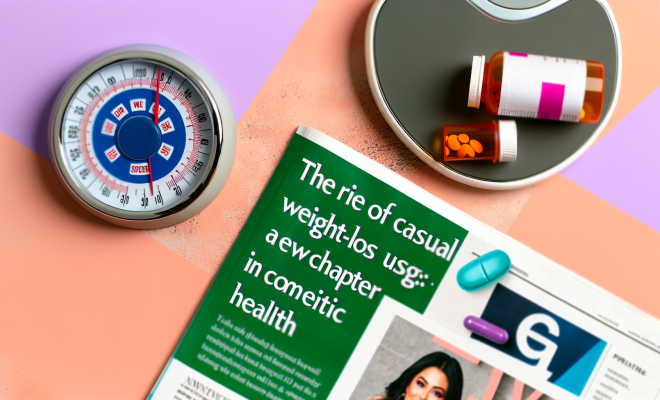
In recent years, a notable shift has occurred in the landscape of weight management, particularly in urban centers like New York City. Reports indicate that non-obese, non-diabetic women are increasingly turning to GLP-1 (glucagon-like peptide-1) injections for modest weight loss, a trend that marks a significant departure from traditional uses of weight-loss pharmaceuticals.
The Emergence of Casual Users
As of March 29, 2026, a growing number of women who do not fit the medical criteria for obesity or diabetes are seeking out weight-loss drugs. This phenomenon has given rise to the term “casual users,” referring to individuals who are pursuing these medications not out of medical necessity, but for cosmetic reasons. They aim to achieve aesthetic goals that align with contemporary beauty standards, rather than addressing health issues associated with weight.
Understanding GLP-1 Medications
GLP-1 medications, which include drugs like semaglutide and liraglutide, have primarily been prescribed to individuals with obesity or diabetes. These medications work by mimicking the effects of the hormone glucagon-like peptide-1, which helps regulate appetite and insulin secretion. While they have shown effectiveness in assisting with weight loss, their usage has typically been confined to those who have a medical need.
Changing Attitudes Towards Weight Management
The shift toward casual usage of these drugs reflects broader societal changes in attitudes toward weight management and body image. In an era where social media platforms often promote idealized body types, many individuals are feeling the pressure to conform to these standards. This cultural shift has prompted some women to seek pharmaceutical solutions as a quick fix for weight loss, even if they do not fall into the clinical categories that typically warrant such treatments.
The Accessibility of Weight-Loss Medications
Another factor contributing to the rise of casual users is the increasing accessibility of weight-loss medications. With the expansion of telehealth services and online pharmacies, obtaining prescriptions has become easier than ever. Women can now consult with healthcare providers remotely and receive prescriptions without the need for in-person visits.
- Telehealth Services: Facilitate easy consultations.
- Online Pharmacies: Provide convenient access to medications.
- Social Media: Influences perceptions of beauty and weight.
Risks and Ethical Concerns
While the allure of rapid weight loss may be tempting, the rise of casual users prompts important ethical questions about the marketing and appropriateness of these medications. Healthcare professionals warn that using weight-loss drugs without a clinical indication can lead to potential health risks. Side effects can include nausea, vomiting, and even more serious complications, particularly if individuals misuse or overuse these medications.
Moreover, the normalization of casual weight-loss drug use could perpetuate unhealthy weight management practices. Experts express concern that this trend may signal a lack of acceptance of diverse body types and reinforce harmful societal standards regarding weight and beauty.
The Role of Healthcare Providers
In light of this emerging trend, healthcare providers play a crucial role in guiding patients on the responsible use of weight-loss medications. It is essential for providers to assess not just the physical health of their patients but also the psychological and social factors influencing their desire for weight loss. They must ensure that patients understand the potential risks associated with using these drugs without medical necessity.
Promoting Healthy Body Image
Addressing the underlying issues of body image and self-esteem is equally important. Healthcare providers can support patients in developing a healthier relationship with their bodies by promoting balanced nutrition, physical activity, and mental health awareness. This holistic approach can help individuals achieve their health and wellness goals without resorting to potentially harmful pharmaceutical interventions.
The Future of Weight-Loss Drugs
As this trend continues to evolve, it is crucial for the medical community to adapt and respond appropriately. The rise of casual users seeking weight-loss drugs underscores the need for updated guidelines regarding the prescription and marketing of these medications. A balanced approach that considers both the benefits and risks is essential to ensure that patients are making informed decisions about their health.
In conclusion, while the search for quick and effective weight-loss solutions may be a natural inclination for many, the trend of casual users seeking GLP-1 injections raises important questions about the implications of such choices. As society continues to navigate the complexities of beauty standards and health, fostering informed discussions about weight management will be key to promoting overall well-being.