Social Media & Teen Self-Esteem: A 2022 Parent’s Guide
“`html
In today’s digital age, social media has become an integral part of adolescent life. From connecting with friends to sharing life’s highlights, platforms like Instagram, Snapchat, and TikTok offer a unique space for self-expression. However, it’s essential to examine the impact of social media on adolescent self-esteem, particularly as studies reveal mixed effects on young users. Understanding these dynamics can equip parents to support their children as they navigate the often turbulent waters of online interactions.
The Rise of Social Media Among Teens
According to a 2022 report from the Pew Research Center, approximately 95% of teens in the U.S. have access to a smartphone, and around 85% are active users of social media. These statistics illustrate just how pervasive social media has become in adolescents’ lives. The allure of social media lies not only in its ability to connect but also in how it allows users to curate their identities and experiences.
As children transition into their teenage years, they are particularly vulnerable to the influences of social media. During this critical developmental period, they seek validation and acceptance from their peers, often turning to social media as a barometer for their self-worth. This makes understanding the connection between social media and adolescent self-esteem crucial for parents.
The Double-Edged Sword of Social Media
The relationship between social media and self-esteem is complex. On one hand, social media can provide a platform for positive reinforcement. Adolescents can connect with like-minded peers, receive affirmation for their creativity, and find communities that celebrate their unique interests. This can bolster their self-esteem and foster a sense of belonging.
On the flip side, social media can also cultivate a toxic environment. The constant exposure to curated images of others’ lives can lead to unhealthy comparisons. Research suggests that adolescents who spend more time on these platforms may experience feelings of inadequacy and anxiety. A 2021 study published in the journal Cyberpsychology, Behavior, and Social Networking found that increased social media use correlated with lower self-esteem and higher rates of mental health issues, including depression and anxiety among teens.
How Social Media Influences Self-Perception
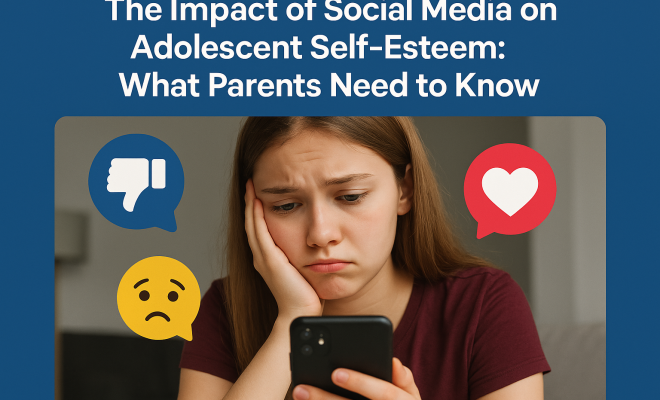
Social media shapes self-perception in several ways. One of the most significant factors is the feedback loop created by likes, comments, and shares. Adolescents often equate the number of likes on a post with their popularity and self-worth. This feedback can reinforce positive self-esteem if the responses are favorable or lead to damaging self-doubt if they are not.
Moreover, the highly curated nature of social media profiles can distort reality. Adolescents may believe that they must present a flawless image to be accepted. This pressure can exacerbate feelings of inadequacy, especially when they perceive that their reality does not match the polished lives of their peers. According to Dr. Jean Twenge, a psychologist and author of iGen, the “comparison culture” fostered by social media can lead to a decline in self-esteem among adolescents.
Gender Differences in Social Media Impact
Notably, research indicates that social media impacts boys and girls differently. While boys might be more affected by the competitive aspects of social media, such as gaming and follower counts, girls are often impacted by appearance-focused content. A study in Body Image highlighted that adolescent girls are more likely to compare their looks with others on social media, leading to body image issues and decreased self-esteem.
Furthermore, girls are more likely to be affected by cyberbullying, which can further deteriorate their self-esteem. According to a 2023 survey from the Cyberbullying Research Center, about 37% of students between the ages of 12 and 17 reported being bullied online, with girls disproportionately affected. Parents should be aware of these differences and engage in open conversations about social media’s varied impact based on gender.
The Role of Parents in Mitigating Negative Effects
As a parent, understanding the terrain of social media is vital. One of the first steps is fostering open communication with your teen. Discussing their online experiences can encourage them to share feelings of insecurity or anxiety without fear of judgment. Ask questions like, “How do you feel when you post something online?” or “What do you think about the way influencers present their lives?” These conversations can help normalize their feelings and allow for discussions on healthy self-image.
Additionally, educating your child about the difference between online personas and real life can be beneficial. Encourage critical thinking about the content they consume. Discuss the reality behind those meticulously edited photos and highlight that many aspects of social media are staged or exaggerated. Reminding them that everyone has flaws can help alleviate the pressure to appear perfect. (See: impact of social media on self-esteem.) This builds on Exploring early social media exposure.
Setting Healthy Boundaries
Establishing boundaries around social media use is another crucial aspect of supporting your child’s self-esteem. This might include setting limits on screen time, encouraging breaks from social media, or creating tech-free zones in your home. These measures can help reduce the overwhelming presence of social media in their lives and allow them to engage in other fulfilling activities. Related reading: Effects of violence on mental health.
Encouraging hobbies outside of social media, such as sports, music, or art, can help adolescents build self-esteem through achievements and personal growth. When teens know they’re valued for their talents and interests outside of social media, it can significantly improve their self-perception.
Promoting Positive Online Behavior
Teaching your child how to engage positively on social media is equally important. Encourage them to celebrate the achievements of others and to provide supportive comments instead of focusing on criticism. By modeling this behavior yourself, you can create an environment where positivity thrives. This not only benefits them but also fosters a healthier online community overall.
Additionally, monitoring the accounts your child follows can be helpful. Encourage them to follow accounts that promote body positivity, mental health awareness, and self-acceptance. This can help shift their focus from negative comparisons to inspiring content that uplifts their self-esteem.
The Importance of Self-Care
Finally, instilling a sense of self-care in your teen is vital. Promote activities that boost their mood and mental health. Whether it’s through physical exercise, mindfulness practices, or pursuing creative outlets, self-care can help counteract some of the negative emotions that arise from social media interactions.
Encouraging journaling or engaging in discussions about their feelings can also provide a constructive outlet. These practices can help your child process their emotions and develop a more robust self-esteem grounded in their values and achievements rather than external validation.
Current Trends and Future Implications
As social media evolves, so too will its impact on adolescent self-esteem. Emerging platforms and features, such as TikTok’s emphasis on short-form video content and Instagram’s Reels, are changing how teens interact online. These shifts can lead to new trends in self-expression and influence feelings of self-worth.
Moreover, the rise of digital wellness initiatives points to a growing awareness of these issues. Companies are beginning to implement features that promote healthier social media use, such as screen time reminders and content filters. Parents should stay informed about these developments and how they can assist in creating a healthier online landscape for their children.
Understanding the Psychological Effects of Social Media
The psychological effects of social media on adolescents can be profound. Numerous studies highlight the impact of social media on mental health, particularly concerning self-esteem. A meta-analysis published in 2023 revealed that excessive social media use is directly related to increased anxieties, depression, and self-worth issues among teenagers. For instance, adolescents who spend more than three hours per day on social media are at a higher risk of developing mental health problems compared to those with limited usage.
One of the key findings in recent research is the concept of social comparison theory. This theory suggests that individuals determine their own social and personal worth based on how they stack up against others. In a social media context, this often leads to harmful comparisons, especially when teens see idealized portrayals of others’ lives. Studies show that adolescents frequently report feelings of inadequacy when comparing their lives to peers, influencers, and celebrities online.
Furthermore, the phenomenon of “FOMO,” or the fear of missing out, can also exacerbate feelings of low self-esteem. Adolescents often feel pressured to be constantly connected and engage with trends, leading to anxiety when they are not. This cycle can create a detrimental feedback loop where self-worth is measured by likes and comments, making it harder for teens to develop a stable sense of self-esteem.
Peer Pressure and Social Media
Peer pressure is magnified in the context of social media. The desire for likes and validation can push teens to engage in risky behaviors or alter their true selves to fit in. For instance, a survey conducted in 2022 found that 50% of teens felt pressure to post content that would gain approval from peers. This pressure can lead to inauthentic portrayals of self, which can further impact their mental health and self-esteem.
Notably, adolescents may feel compelled to conform to trends that do not align with their values or interests. This disconnect can lead to feelings of isolation and inadequacy when they realize the persona they project does not reflect their true selves. Parents can help children navigate these challenges by encouraging authenticity in their online presence and promoting the idea that it’s okay to be different from what is portrayed online.
Expert Perspectives on Social Media and Adolescent Self-Esteem
Experts in psychology and social behavior have voiced concerns about the impact of social media on adolescent self-esteem. Dr. Anna Lembke, a psychiatrist and addiction specialist, notes that social media can create a cycle of addiction where adolescents seek likes and validation as a source of self-worth. She emphasizes the importance of teaching teens about the potential dangers of this cycle and encourages parents to promote healthy social media habits.
Moreover, Dr. Margo Maine, a psychologist specializing in body image and eating disorders, points out that social media’s portrayal of unrealistic body standards can be particularly harmful. She advocates for media literacy programs in schools to help adolescents critically analyze the content they consume. By fostering an understanding of how images are manipulated and the reality behind them, teens can develop a healthier self-image.
Comparative Analysis: Social Media Platforms and Their Impact
Different social media platforms may have varying impacts on adolescent self-esteem. For instance, platforms like Instagram and Snapchat, which are heavily visual, can exacerbate issues related to body image and appearance. Research indicates that users of visual-centric platforms tend to make more body comparisons, leading to lower self-esteem.
In contrast, platforms that encourage more textual interaction, such as Twitter, may present a different set of challenges and opportunities. While these platforms can still foster negative comparisons, they also allow for discussions that can promote solidarity and support among users. Engaging in supportive conversations can help mitigate some of the adverse effects associated with visual platforms. (Understanding parental involvement benefits)
Frequently Asked Questions (FAQ)
What steps can parents take to monitor their child’s social media use?
Parents can start by having open discussions about their child’s social media habits and feelings. Setting limits on screen time, reviewing privacy settings together, and checking in on the types of content they engage with can also be helpful. Encouraging transparency and honesty about online experiences is vital for creating a trusting environment.
How can parents encourage healthy social media habits?
Encourage your child to curate their social media feeds by following positive, uplifting accounts. Discuss the importance of digital detoxes and taking breaks from social media. Engaging in offline activities like sports, arts, or family time can also help balance their online and offline lives.
What should I do if I notice my child is struggling with self-esteem issues related to social media?
If you observe signs of low self-esteem or anxiety, it’s essential to address these concerns directly. Recommend seeking help from school counselors or therapists who specialize in adolescent mental health. Open discussions about feelings and experiences related to social media can also aid in understanding their struggles.
Are there any benefits to social media use for adolescents?
Yes, there can be positive aspects to social media use, such as facilitating connections, fostering creativity, and establishing support networks. Many adolescents find communities that align with their interests and values, which can enhance their sense of belonging and self-esteem. The key is to approach social media use mindfully and recognize the balance between the positive and negative aspects.
How does social media use relate to academic performance?
Some studies suggest a correlation between excessive social media use and declining academic performance. Distraction and procrastination due to social media might lead to decreased focus on studies. Encouraging time management skills and responsible social media use can help maintain a balance between academics and social interactions.
Strategies for Resilience and Positive Self-Esteem
To help adolescents build resilience against the potential negative impacts of social media, parents can teach them coping strategies that strengthen their emotional well-being. For example, practicing gratitude can shift focus from negative self-talk to appreciating positive aspects of life. Encouraging teens to keep a gratitude journal where they list things they are grateful for can significantly uplift their mood and self-perception.
Additionally, mindfulness practices can also be beneficial. Techniques such as meditation, deep-breathing exercises, and mindfulness apps can help teens manage their emotions and reduce anxiety stemming from social media use. Schools and community organizations are increasingly offering mindfulness programs, which could be a great resource for parents seeking additional support for their teens.
The Role of Schools in Promoting Healthy Social Media Use
Schools can play an essential role in addressing the impacts of social media on self-esteem. Educational institutions can implement programs that teach digital citizenship, highlighting responsible online behavior and the importance of mental health. Integrating lessons about social media literacy into the curriculum can equip students with the critical thinking skills necessary to evaluate online content.
Additionally, schools can foster an environment of inclusivity, where students feel safe discussing their online experiences. Workshops, support groups, and awareness campaigns can empower students to speak out against cyberbullying and support their peers facing challenges related to social media pressures.
The Importance of Media Literacy
Media literacy is vital in helping adolescents navigate the complexities of social media. By teaching kids to critically analyze the messages they encounter online, they can better understand the realities of digital content. Programs that focus on media literacy can help students discern between authentic representations and digitally altered images, ultimately reducing the likelihood of negative comparisons.
Incorporating discussions about advertising techniques, influencer culture, and the business models behind social media can further enhance understanding. This awareness can empower adolescents to think critically about the content they consume and how it influences their self-esteem and body image.
The Future of Social Media and Mental Health
As social media platforms continue to evolve, their impact on adolescent self-esteem and mental health will likely change as well. Platforms are exploring ways to mitigate negative effects by enabling users to control what they see and interact with. Additionally, the rise of mental health resources available through social media, such as helplines and supportive communities, can provide valuable assistance to those struggling with self-esteem issues.
Looking ahead, it’s crucial for parents, educators, and mental health professionals to stay informed about these changes and advocate for healthier online environments. Creating a supportive community around social media use can empower adolescents to engage with these platforms positively and constructively.
Conclusion: Empowering Teens in a Digital World
Ultimately, understanding the connection between social media and adolescent self-esteem is crucial for parents in today’s digital environment. By fostering open communication, setting healthy boundaries, and promoting positive behaviors, you can help empower your child to navigate social media confidently.
As the digital landscape continues to evolve, so must our strategies for supporting adolescent self-esteem. By staying engaged and informed, parents can help their children thrive in a world where social media is omnipresent and often challenging. See also Student-teacher connections in social media.
“`
Trending Now
Frequently Asked Questions
How does social media affect adolescent self-esteem?
Social media can have a dual impact on adolescent self-esteem. It can provide positive reinforcement through community support and affirmation, boosting self-worth. Conversely, it may also lead to unhealthy comparisons and negative self-perception due to curated portrayals of others' lives.
What are the risks of social media for teens?
The risks of social media for teens include exposure to cyberbullying, unrealistic comparisons, and a distorted sense of self-worth. These factors can contribute to anxiety, depression, and diminished self-esteem, especially during the critical developmental years.
What can parents do to support their teens on social media?
Parents can support their teens by fostering open communication about social media experiences, encouraging critical thinking about online content, and setting healthy boundaries regarding screen time. This helps teens navigate the complexities of social media positively.
Why are adolescents more vulnerable to social media influence?
Adolescents are more vulnerable to social media influence due to their developmental stage, where peer acceptance and validation are paramount. This makes them more susceptible to seeking approval through likes and shares, impacting their self-esteem.
What statistics show social media use among teens?
According to a 2022 Pew Research Center report, about 95% of U.S. teens have access to smartphones, and approximately 85% are active on social media. These statistics highlight the significant role social media plays in the lives of adolescents today.
Have you experienced this yourself? We'd love to hear your story in the comments.