Social Media’s Toll: Adolescent Mental Health Declines, 2024 Report
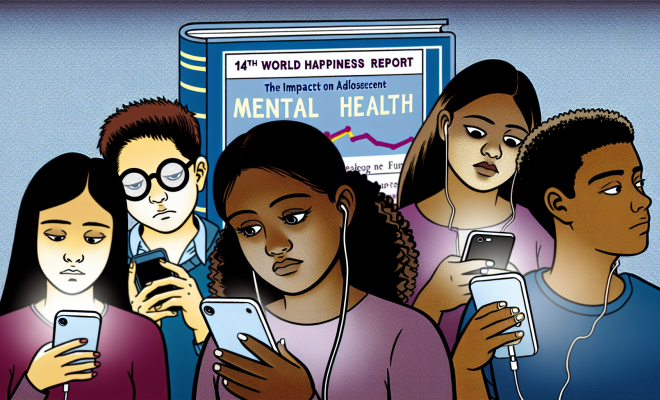
The 14th World Happiness Report has unveiled alarming insights regarding the mental health of adolescents, particularly in North America and Europe. The findings indicate that social media platforms are substantially harming the well-being of young people, with a notable impact on adolescent girls. As these digital environments become increasingly integrated into daily life, their influence on mood and anxiety levels raises significant public health concerns.
Declining Happiness Among Youth
According to the report, young individuals today are reporting lower happiness levels compared to older generations. This decline is particularly pronounced among adolescents, who are navigating a complex landscape of social media engagement. The report highlights that while older generations may have relied on face-to-face communication, today’s youth are often confined to interactions through screens, which may lack the emotional depth necessary for fostering genuine connections.
The Role of Social Media Platforms
One of the report’s key observations is the correlation between specific types of social media usage and reduced well-being. Platforms that prioritize short videos, likes, and algorithm-driven feeds are associated with notably lower levels of happiness among adolescents. In contrast, direct communication apps, which facilitate more meaningful interactions, do not seem to exert the same negative effects.
Understanding the Mechanisms
The detrimental effects of social media on mental health can be attributed to several mechanisms:
- Comparison and Self-Esteem: Adolescents often compare their lives to the curated highlights of others on social media, leading to feelings of inadequacy and low self-esteem.
- Cyberbullying: The anonymity of online platforms can encourage harmful behaviors, with cyberbullying leading to increased anxiety and depression among affected youth.
- Disrupted Sleep Patterns: Excessive screen time, particularly before bed, can interfere with sleep quality, further exacerbating mental health issues.
Gender Disparities in Mental Health Outcomes
The report points out that girls are particularly vulnerable to the adverse effects of social media. Adolescent girls often face unique pressures related to appearance and social acceptance, which can be intensified by exposure to idealized images and lifestyles portrayed online. The relentless pursuit of validation through likes and comments can lead to a cycle of anxiety and depressive symptoms.
Call for Action: Regulation and Education
In light of these findings, researchers are advocating for immediate action to address this public health crisis. Key recommendations include:
- Regulation of Social Media: Governments and regulatory bodies are urged to implement measures that protect young users from harmful content and practices on social media platforms.
- Age Limits: Enforcing stricter age limits for social media usage could help shield younger adolescents from the negative impacts of these platforms.
- Digital Education: Incorporating digital literacy into school curricula can empower young people to navigate social media responsibly, helping them understand the potential pitfalls and develop healthier online habits.
The Importance of Community Support
In addition to regulatory measures, community support plays a crucial role in mitigating the mental health challenges associated with social media. Parents, educators, and mental health professionals must work together to create an environment that fosters open communication about online experiences. Providing adolescents with tools to critically assess their social media interactions can help them build resilience against negative influences.
Conclusion: Navigating the Digital Landscape
The findings of the 14th World Happiness Report underscore a pressing need to address the mental health implications of social media on adolescents. As young people continue to engage with these platforms, it is vital to prioritize their mental well-being through informed regulation, proactive education, and community support. By fostering a healthier digital landscape, we can help ensure that future generations experience the benefits of technology without sacrificing their mental health.