Remote Work’s Dark Side: Layoffs, Isolation & Mental Health
“`html
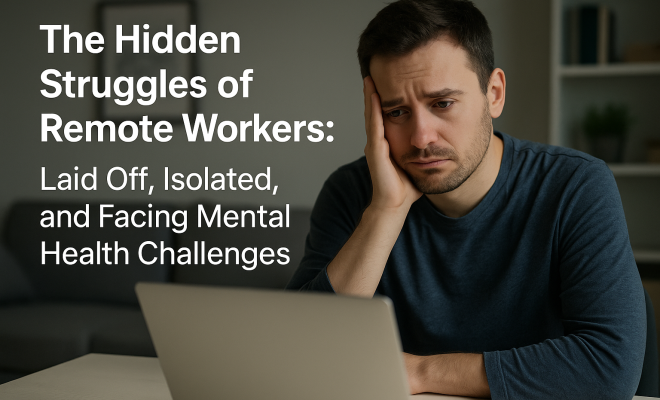
The pandemic has fundamentally altered how we work, with remote work becoming the norm for millions. While it was initially hailed as a flexible, liberating alternative to the traditional office, new data suggests that remote workers face significant challenges that extend beyond just adjusting to a new work environment. Recent findings indicate that remote workers are more likely to experience job insecurity than to be replaced by AI technologies. This alarming trend is compounded by increased feelings of isolation and mental distress that remote workers face, particularly those living alone.
Remote Work: The Double-Edged Sword
When the world shifted to remote work, it was seen as a breakthrough. No longer would workers have to endure long commutes or navigate the social intricacies of the office. However, as the dust settles, many are beginning to realize that remote work is more complex than it seems. A recent study showed that remote workers may find themselves more susceptible to layoffs, as companies look to tighten budgets in uncertain economic times.
The fear of job loss is palpable. A report revealed that remote workers are facing layoffs at a higher rate than their in-office counterparts, largely due to their perceived disconnection from the company. While many companies have adopted hybrid work models, the lack of physical presence can lead to feelings of invisibility. When the time comes to make cuts, those who are not seen daily may be the first to go.
AI: Not the Immediate Threat
Interestingly, the fear of being replaced by AI is a concern that often overshadows the more immediate threat of job layoffs. Many remote workers may worry that their roles could become obsolete due to advancements in technology. However, the data indicates that the likelihood of being laid off is a more pressing concern than being directly replaced by AI. This revelation should shift the focus of remote workers toward securing their current positions and finding ways to demonstrate their value in an increasingly competitive job market.
The Impact of Isolation on Mental Health
Compounding the stress of job insecurity, many remote workers face significant mental health challenges. One study highlighted that remote workers spend an average of one additional hour isolated on workdays compared to their in-office colleagues. This isolation can lead to feelings of loneliness and disconnection, which can significantly impact mental health.
For those living alone, the situation can be even worse. An astonishing 83% of remote workers who live alone reported going entire days without social interaction. This lack of contact can exacerbate feelings of loneliness and lead to serious mental health issues, including anxiety and depression. As organizations continue to embrace remote work, it’s crucial to recognize that the benefits of flexibility can come at a high cost to mental well-being.
Signs of Mental Distress
When it comes to the mental health of remote workers, awareness is key. Signs of mental distress can manifest in various ways, ranging from emotional reactions to physical symptoms. Common indicators include:
- Increased irritability or mood swings
- Difficulty concentrating or focusing on tasks
- Feelings of sadness or hopelessness
- Physical symptoms such as headaches or fatigue
- Withdrawal from social interactions, even virtually
If you are experiencing any of these symptoms, it’s essential to take them seriously. Ignoring the signs can lead to more severe mental health issues down the road.
Building Connections in a Remote Environment
While remote work may inherently promote isolation, there are several proactive steps that workers can take to maintain and foster connections with colleagues. Virtual team-building activities, regular check-ins, and video calls can help bridge the gap and keep the lines of communication open. Scheduling informal virtual coffee breaks can create a social atmosphere that mimics office interactions.
Employers also have a role to play in supporting the mental health of their remote workforce. Offering mental health days, creating platforms for informal communication, and encouraging transparency about mental health challenges can foster a more inclusive and supportive remote work culture. (See: CDC on mental health and remote work.)
Emphasizing Work-Life Balance
In the rush to adapt to remote work, many individuals have found it challenging to draw boundaries between their professional and personal lives. This lack of separation can lead to burnout, a state of emotional, physical, and mental exhaustion caused by prolonged and excessive stress. To combat this, it’s essential to establish a clear work-life balance.
Consider implementing strategies such as:
- Setting specific work hours and sticking to them
- Creating a designated workspace that signals the start and end of the workday
- Prioritizing regular breaks throughout the day to recharge
- Engaging in hobbies and social activities outside of work hours
By consciously separating work from personal life, remote workers can mitigate feelings of overwhelm and promote overall mental well-being.
The Role of Employers in Supporting Mental Health
Employers have the power to positively influence their remote workers’ mental health through supportive practices and policies. Providing resources for mental health care, such as access to counseling services or mental health days, can significantly impact employees’ well-being. Additionally, fostering a culture of open dialogue surrounding mental health can encourage workers to seek help when needed.
Creating an inclusive work environment that values mental health not only benefits employees but also enhances overall productivity and job satisfaction. Organizations that prioritize their employees’ mental health will likely see improved performance and lower turnover rates.
Addressing the Stigma Around Mental Health
Despite growing awareness, there remains a stigma surrounding mental health issues, particularly in professional settings. Many individuals may hesitate to disclose their struggles for fear of judgment or negative repercussions. It’s essential to create a culture of acceptance and understanding around mental health, normalizing conversations about challenges and promoting seeking help.
By sharing personal experiences or stories of resilience, individuals can help dismantle the stigma associated with mental health struggles. This shared understanding can foster community and support among remote workers, allowing them to feel less alone in their experiences.
The Future of Remote Work and Mental Health
The future of remote work holds promise, but it also presents unique challenges that workers and organizations must navigate together. Understanding the impact of job insecurity, isolation, and mental health is crucial in creating a sustainable remote work environment.
As remote workers continue to adapt, it’s vital to prioritize mental health and well-being. By fostering connections, emphasizing work-life balance, and promoting open conversations about mental health, we can transform the remote work landscape into one that supports both productivity and emotional well-being.
Statistics on Remote Workers’ Mental Health
Recent studies reveal staggering statistics regarding remote workers’ mental health. According to a survey conducted by Mental Health America, nearly 75% of remote workers reported experiencing moderate to high stress levels. This stress often stems from various sources, including job insecurity, isolation, and blurred work-life boundaries. (See: WHO resources on mental health.)
In addition, a report by Buffer highlighted that 20% of remote workers struggle with loneliness, making it one of the top challenges faced by this demographic. Interestingly, the same report revealed that 18% of respondents cited communication difficulties as a significant issue, indicating that while remote work offers flexibility, it can also hinder effective collaboration.
Expert Perspectives on Remote Work and Mental Health
Experts emphasize the importance of mental health resources in remote work settings. Dr. Jennifer Moss, an award-winning author and workplace expert, argues that companies must actively engage in the well-being of their remote employees. “Ignoring mental health in a remote environment is a recipe for disaster. Employers should focus on creating supportive environments where employees can thrive, even from a distance,” she asserts.
Additionally, clinical psychologist Dr. Kelsey Crowe advocates for open conversations about mental health in the workplace. She believes that promoting authenticity and vulnerability can lead to a healthier workforce. “When employees feel safe to share their struggles, it creates a culture of support and understanding that can significantly improve mental health outcomes,” Dr. Crowe states.
Strategies for Remote Workers to Enhance Mental Well-being
Remote workers can adopt several strategies to improve their mental health and well-being. Here are a few actionable tips:
- Mindfulness and Meditation: Practicing mindfulness techniques and meditation can help reduce stress and anxiety. Apps like Headspace or Calm can guide users through various exercises.
- Regular Physical Activity: Incorporating physical activity into daily routines can boost mood and energy levels. Simple activities such as walking, yoga, or home workouts can make a significant difference.
- Social Connections: Building and maintaining social connections is vital. Consider joining virtual clubs, attending webinars, or participating in online forums related to personal interests.
- Limit Social Media Use: While social media can help maintain connections, excessive use can lead to feelings of inadequacy or anxiety. Set limits on daily usage to create a healthier digital environment.
- Seek Professional Help: If mental health struggles become overwhelming, seeking the help of a mental health professional can provide valuable support and guidance.
Frequently Asked Questions about Remote Workers’ Mental Health
What are the common mental health issues faced by remote workers?
Remote workers often face issues such as anxiety, depression, and loneliness due to isolation, job insecurity, and the challenges of maintaining work-life balance.
How can employers support the mental health of remote workers?
Employers can support mental health by offering access to mental health resources, promoting open communication about mental health, and encouraging regular check-ins among teams.
What are signs that a remote worker may need mental health support?
Signs include changes in mood, difficulty concentrating, withdrawal from social interactions, and a noticeable decline in work performance.
Is it possible for remote workers to maintain a healthy work-life balance?
Yes, remote workers can maintain a healthy work-life balance by setting clear boundaries between work and personal life, establishing a routine, and making time for self-care activities.
What role does isolation play in remote workers’ mental health?
Isolation can exacerbate feelings of loneliness and disconnection, contributing to higher rates of anxiety and depression among remote workers. It’s crucial for remote workers to actively seek social connections.
Exploring the Different Types of Remote Work Models
Remote work comes in various forms, each with its own set of challenges and benefits. Understanding these models can help individuals and organizations adopt the most effective approaches for maintaining mental health.
Fully Remote
In a fully remote model, employees work entirely from home or other remote locations. While this setup offers maximum flexibility, it can also lead to feelings of isolation, as workers lack regular, in-person interactions with colleagues.
Hybrid Models
Hybrid work models combine in-office and remote work, allowing employees to enjoy the best of both worlds. While this model can improve social connections and team cohesion, it requires careful management to ensure that remote workers feel included and valued.
Flexible Schedules
Flexible work schedules allow employees to choose when they work, provided they meet their obligations. This flexibility can help individuals manage personal commitments, improving overall well-being. However, it can also blur the lines between work and personal life if not monitored effectively.
Freelancing or Contracting
Freelancers often work remotely, providing services to multiple clients. This model can lead to greater autonomy but also introduces financial uncertainty and potential isolation, particularly for those who work alone most of the time.
The Importance of Community for Remote Workers
Building a sense of community is crucial for remote workers’ mental health. Engaging with peers not only combats loneliness but also fosters a supportive network that encourages open conversations about mental health. Here are a few ways to cultivate community:
- Join Online Communities: Platforms like LinkedIn, Slack, or Discord host numerous groups for remote workers to share experiences, resources, and support.
- Participate in Networking Events: Virtual meetups or industry conferences can help remote workers connect with others in their field, forging professional relationships and friendships.
- Engage in Shared Activities: Organizing or participating in group activities, such as online book clubs, fitness challenges, or gaming sessions, can create a sense of belonging and camaraderie.
Conclusion: Prioritizing Mental Health in Remote Work
As remote work continues to evolve, prioritizing mental health is more critical than ever. By recognizing the unique challenges remote workers face, organizations can implement supportive practices that foster well-being and productivity. Whether through building connections, establishing work-life boundaries, or addressing mental health openly, the future of work can be a healthier, happier space for everyone involved.
“`
Trending Now
Frequently Asked Questions
What are the challenges faced by remote workers?
Remote workers face several challenges including job insecurity, increased feelings of isolation, and mental health issues. The lack of physical presence in the workplace can lead to perceptions of invisibility, making them more susceptible to layoffs compared to in-office employees.
Are remote workers more likely to be laid off?
Yes, studies indicate that remote workers are facing layoffs at a higher rate than their in-office counterparts. This is often attributed to their perceived disconnection from the company, making them more vulnerable during budget cuts.
Is the fear of AI replacing jobs justified?
While many remote workers fear being replaced by AI, data suggests that the more immediate concern is job insecurity and the risk of layoffs. Workers should focus on securing their current positions rather than solely worrying about technological advancements.
How does isolation affect remote workers' mental health?
Isolation is a significant issue for remote workers, particularly those living alone. The lack of social interaction can lead to increased mental distress, contributing to feelings of loneliness and anxiety in the remote work environment.
What can remote workers do to combat feelings of invisibility?
Remote workers can combat feelings of invisibility by actively engaging with their teams through regular check-ins, participating in virtual meetings, and establishing a presence in company communications. Building relationships with colleagues can also help mitigate isolation.
What’s your take on this? Share your thoughts in the comments below — we read every one.