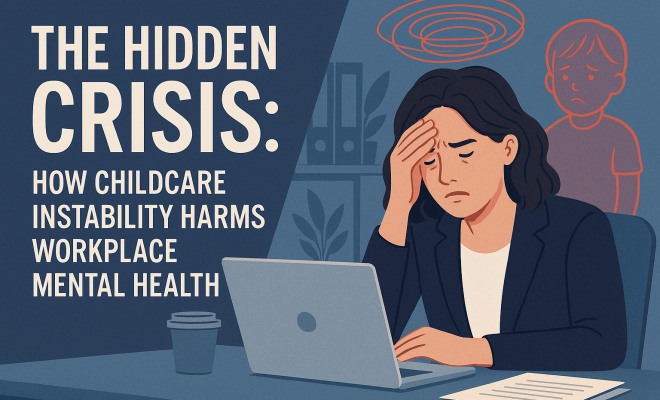
Childcare Instability: A Crisis for Workplace Mental Health
Understanding the Link Between Childcare and Mental Health
Childcare is often seen as a private responsibility, but a growing body of research points to a critical connection between childcare mental health and the workplace. For working parents, unstable childcare arrangements can lead to significant emotional and psychological strain. This instability isn’t just a personal issue; it’s a workplace concern that demands immediate attention from employers.
The Reality of Burnout Among Working Parents
According to a recent study by the Harris Poll, working parents in the U.S. experience profound levels of burnout—spending more than a third of each month in a state of complete exhaustion. This statistic isn’t just a number; it reflects the real-life struggles of parents who are trying to balance their professional responsibilities with the demands of raising children.
The pandemic intensified these challenges, exposing and exacerbating existing childcare problems. Many parents found themselves juggling remote work, virtual schooling, and the heightened anxiety associated with health concerns, all while trying to secure reliable childcare. The aftermath of this chaos continues to reverberate, leaving many feeling overwhelmed and unsupported.
Childcare Instability: A Defining Issue for Working Parents
Childcare instability manifests in various forms, such as fluctuating daycare availability, unexpected closures, and inconsistent care providers. These disruptions can lead to a host of mental health issues, including anxiety, depression, and even feelings of isolation. As parents grapple with unpredictable childcare, their ability to focus on work diminishes, which can lead to decreased productivity and job satisfaction.
Consider a parent who relies on a daycare that suddenly closes due to staffing shortages. This unexpected event can force them to scramble for last-minute solutions, which might not only affect their work performance but also their mental well-being. The constant worry about childcare availability creates a cycle of stress that can feel inescapable.
Workplace Culture and Its Impact on Childcare Mental Health
Employers have a unique opportunity to reshape workplace culture in a way that acknowledges the mental health implications of childcare issues. While some companies have begun to introduce flexible work hours and remote options, many still fall short of addressing the core problem: unreliable childcare.
When employers actively support parents by providing resources such as childcare subsidies, referral programs, or on-site childcare facilities, they contribute to a healthier workforce. This not only benefits the employees but also enhances overall company morale and productivity.
The Financial Toll of Childcare Instability
Childcare isn’t just a mental health issue; it’s also a financial strain. The Harris Poll highlights that many parents are forced to make difficult choices regarding their careers due to the high costs and unreliability of childcare. In fact, some parents have reported forgoing job promotions or even leaving the workforce entirely to manage childcare responsibilities.
This not only impacts families financially but also has broader economic implications. A workforce that lacks supportive childcare options can lead to decreased economic productivity and increased turnover rates, which can be incredibly costly for employers. By recognizing the financial aspects of childcare mental health, businesses can take proactive steps to invest in their employees’ well-being.
Creating Effective Support Systems
To combat the childcare crisis, employers must consider implementing comprehensive support systems. This might include offering mental health resources, childcare vouchers, or even partnerships with local childcare providers. Additionally, creating a culture where parents feel comfortable discussing their childcare challenges without fear of stigma is crucial. (See: Child mental health resources from CDC.)
- Mental Health Resources: Employers can provide access to counseling and support services specifically geared toward parents.
- Childcare Vouchers: Financial assistance can help parents afford reliable childcare options.
- Flexible Work Arrangements: Allowing parents to adjust their schedules can alleviate some of the stress associated with childcare.
- Corporate Partnerships: Collaborating with childcare facilities can ensure employees have reliable access to care.
By adopting these strategies, employers can not only enhance employee satisfaction but also foster a culture of trust and support.
Addressing the Stigma Surrounding Childcare Issues
Many working parents feel an overwhelming sense of shame regarding their childcare struggles. This stigma can prevent them from seeking help or discussing their challenges openly. Employers have a responsibility to create an environment where these conversations are normalized.
Training managers to recognize the signs of distress related to childcare issues can help them provide better support. Additionally, creating forums or support groups within the workplace can empower employees to share their experiences and seek solutions together.
The Role of Policy in Supporting Childcare Mental Health
Government policies also play a significant role in addressing childcare mental health concerns. Advocating for better childcare subsidies, improved parental leave policies, and increased funding for early childhood education can help create a more supportive environment for working families.
When policymakers recognize childcare as a mental health issue, it sets the stage for meaningful change. Parents should not have to choose between their careers and their children; rather, they should have the support needed to thrive in both areas.
Real-Life Examples of Positive Change
Some companies are already leading the way in the realm of childcare mental health. For instance, Google offers employees access to childcare subsidies and backup care options, allowing parents to focus on their work without the constant worry of childcare disruptions. Similarly, Patagonia provides on-site childcare at its headquarters, enabling parents to balance professional and family responsibilities seamlessly.
These examples showcase the tangible benefits that can result from prioritizing childcare mental health. By adopting similar practices, more companies can contribute to their employees’ well-being and create a more productive workforce.
Exploring Childcare Models: Innovative Solutions for Parents
In addition to corporate initiatives, there are innovative childcare models emerging that aim to ease the burden on working parents. Co-op childcare centers, for example, allow parents to take a more active role in the care of their children while sharing costs and responsibilities with other families. These cooperatives not only reduce the financial strain but also foster community support among parents, which can enhance mental well-being.
Another model gaining traction is employer-sponsored childcare centers. Companies like Facebook have established on-site childcare facilities that provide convenience and peace of mind to working parents. These facilities often have lower turnover rates and better employee satisfaction, proving the worth of investing in childcare infrastructure.
Statistics from the National Association of Employers indicate that organizations with on-site childcare report a 20% reduction in employee absenteeism. This is a telling sign of how accessible childcare can help parents maintain their work-life balance, improving both their mental health and overall job performance.
Expert Perspectives on Childcare Mental Health
Experts in child development and workplace psychology emphasize the importance of supporting parents through childcare mental health initiatives. Dr. Laura Markham, a clinical psychologist and author, argues that when parents feel supported, they can provide better emotional and psychological care for their children. “A parent who is constantly stressed and anxious cannot be fully present for their child,” she explains. “When employers prioritize the mental health of their employee parents, they foster healthier family units.” This perspective reinforces the need for holistic approaches that consider both parental and child well-being. (See: Impact of childcare on family health.)
Additionally, Dr. Jennifer Hartstein, a child psychologist, highlights the ripple effect of childcare instability on children. “When parents are overwhelmed, children can sense that stress, which can affect their behavior and emotional health,” she notes. Investing in childcare stability is, therefore, not just about adult well-being; it’s also about nurturing the next generation’s mental health.
Long-Term Effects of Childcare Instability
The consequences of childcare instability can have long-lasting effects on both parents and children. Research shows that children who experience inconsistent care may face developmental delays and behavioral issues. According to a study by the American Psychological Association, children who lack stable childcare arrangements are more likely to exhibit anxiety and difficulties in social situations. This can create a cycle of instability that affects future educational and employment opportunities for these children.
For parents, the stress of managing unreliable childcare can contribute to chronic mental health issues, such as anxiety and depression. A study published in the Journal of Family Psychology found that parents with unstable childcare arrangements reported higher levels of emotional distress and lower overall life satisfaction. This distress can further impact their work performance and relationships, perpetuating a harmful cycle that is hard to break.
Strategies for Parents to Cope with Childcare Challenges
For parents navigating the turbulent waters of childcare instability, there are effective strategies that can help them manage stress and promote mental well-being. Here are some tips:
- Build a Support Network: Connecting with other parents can provide emotional support and practical advice. Whether through local parenting groups or online communities, having others to share experiences with can alleviate feelings of isolation.
- Prioritize Self-Care: It’s vital for parents to take time for themselves, even if it feels difficult. Engaging in activities that bring joy and relaxation, such as exercise, reading, or hobbies, can recharge their mental batteries.
- Communicate Needs: Parents should feel empowered to communicate their childcare needs to employers. Whether it’s requesting flexible hours or additional resources, open dialogue can lead to supportive solutions.
- Seek Professional Help: If childcare-related stress becomes overwhelming, talking to a mental health professional can provide relief and coping strategies tailored to individual circumstances.
Frequently Asked Questions about Childcare Mental Health
What is the connection between childcare and mental health?
Childcare arrangements significantly impact parents’ mental health. Instability in childcare can lead to increased stress, anxiety, and burnout, which in turn affects the well-being of both parents and children.
How can employers support working parents?
Employers can support working parents by offering flexible work arrangements, childcare subsidies, on-site childcare facilities, and mental health resources. Creating an open culture around childcare challenges can also help alleviate stigma.
What are the long-term effects of unstable childcare on children?
Children with unstable childcare arrangements may experience developmental delays, behavioral issues, and anxiety. These challenges can affect their educational success and future employment opportunities.
How can parents find reliable childcare?
Parents can explore local options such as community recommendations, online reviews, and local childcare resource agencies. Networking with other parents can also lead to trusted referrals.
Is it common for parents to feel overwhelmed by childcare responsibilities?
Yes, many parents report feeling overwhelmed due to the high demands of balancing work and childcare. This is a widespread issue that calls for systemic changes in workplace policies and support.
Best Practices for Employers: Creating a Family-Friendly Workplace
To truly support childcare mental health, employers need to adopt best practices that create a family-friendly workplace. Here are some key strategies:
- Transparent Communication: Regularly engage with employees about their needs and preferences regarding childcare support. Surveys can be useful for understanding what employees value most in terms of assistance.
- Employee Resource Groups: Establish groups focused on parents or caregivers, providing a platform for sharing experiences and advocating for policies that support family needs.
- Regular Training for Managers: Equip leaders with the knowledge and tools to support their team members better, recognizing signs of distress and knowing how to respond appropriately.
- Wellness Programs: Incorporate mental health days, stress management workshops, and counseling services into workplace wellness programs to directly address employees’ mental health needs.
Impact of Technology on Childcare Arrangements
The rise of technology has also reshaped how parents approach childcare, offering both challenges and opportunities. Apps designed to connect parents with childcare providers can streamline the process of finding reliable care. For instance, platforms such as Care.com and UrbanSitter allow parents to review and book childcare services conveniently.
However, the reliance on technology can also lead to additional stress when technology fails or when parents become overwhelmed by the plethora of options available. It’s essential for parents to find a balance and not let technology become another source of anxiety. Utilizing local resources and community recommendations can help mitigate the stress associated with digital searches.
Community-Based Solutions to Childcare Instability
Community-based initiatives can play a significant role in easing childcare challenges. Local governments and organizations can work together to create programs that support families in need. For instance, neighborhood co-ops can offer shared childcare services among families, reducing costs and increasing reliability. This model not only alleviates financial burdens but also fosters a sense of community and mutual support.
Additionally, some regions have launched “parenting hubs,” where families can access resources, workshops, and support networks. These hubs can be a lifeline for working parents, providing not just childcare options but also mental health resources, financial advice, and parenting workshops.
Why Employee Well-Being Should Matter to Companies
Investing in employee well-being, particularly in areas related to childcare mental health, is not merely a compassionate gesture; it makes good business sense. According to a study by the Boston Consulting Group, companies that prioritize employee wellness can see a return of up to $4 for every dollar spent on health-related initiatives. By addressing childcare issues, organizations can reduce absenteeism, improve retention rates, and increase productivity.
Furthermore, in an increasingly competitive job market, companies that offer family-friendly policies are likely to attract top talent. Prospective employees are often looking for workplaces that support their life outside of work, making childcare support a crucial selling point for employers. This proactive approach to employee well-being leads to a more engaged, satisfied, and productive workforce.
Conclusion: The Path Forward
The issue of childcare mental health is one that cannot be ignored any longer. As more parents grapple with the challenges of unstable childcare, it’s crucial for employers to recognize this as a pressing mental health crisis. By taking proactive measures to support working parents, companies can not only improve their employees’ mental well-being but also foster a more engaged and productive workplace. The time for change is now, and it starts with acknowledging the profound impact that reliable childcare can have on mental health.
Trending Now
Frequently Asked Questions
How does childcare instability affect working parents?
Childcare instability can lead to significant emotional and psychological strain for working parents. It manifests through fluctuating daycare availability and inconsistent care, which can contribute to anxiety, depression, and feelings of isolation, ultimately affecting their focus and productivity at work.
What are the mental health impacts of being a working parent?
Working parents often experience profound levels of burnout, with many spending over a third of the month in complete exhaustion. The challenges of balancing professional responsibilities with childcare demands can lead to heightened stress and mental health issues.
Why is childcare instability a workplace concern?
Childcare instability is a workplace concern because it directly impacts employee mental health and productivity. When parents face unpredictable childcare arrangements, it can diminish their ability to concentrate and perform effectively at work, leading to decreased job satisfaction.
How did the pandemic affect childcare for working parents?
The pandemic intensified existing childcare challenges for working parents, exposing vulnerabilities like remote work and virtual schooling. Many parents struggled to secure reliable childcare amidst health concerns, leading to increased stress and mental health issues that persist even post-pandemic.
What is the link between childcare and mental health in the workplace?
Research indicates a critical link between childcare and mental health in the workplace. Instability in childcare arrangements can lead to emotional distress for parents, which affects their work performance and overall mental well-being, highlighting the need for employers to address this issue.
What did we miss? Let us know in the comments and join the conversation.