Rice Farming’s Future: Generational Shift & Climate Pressures
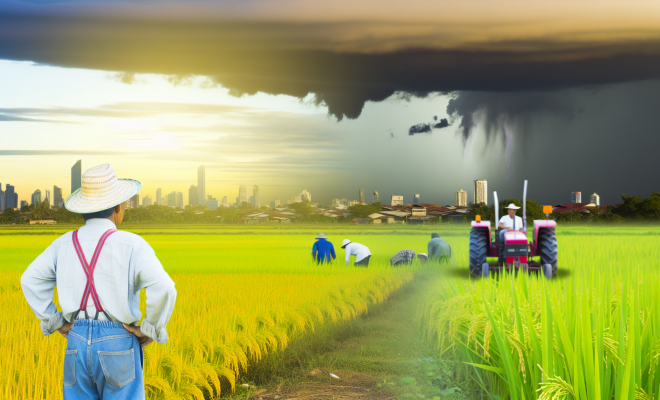
In a significant revelation, Mars Food & Nutrition has published research that sheds light on the alarming realities facing rice farmers in India and Pakistan. The study, conducted by 60 Decibels, indicates that a staggering 70% of rice farmers in India and 63% in Pakistan do not wish for their children to follow in their footsteps and pursue a career in rice farming. This trend underscores a profound generational shift, driven primarily by the unsustainable conditions currently prevalent in the agriculture sector.
Understanding the Context
Rice is not just a staple food for billions; it is a crucial part of the cultural and economic fabric in many Asian countries. In fact, 62% of UK consumers identify rice as a staple food within their diets. However, despite its significance, a significant 38% of these consumers remain unaware of the potential impact of climate change on rice production.
The Disconnect
This lack of awareness highlights a critical disconnect between the importance of rice in global diets and the growing understanding of climate vulnerabilities within the agricultural sector. As climate change continues to affect weather patterns, water availability, and soil health, the pressures on rice farmers are escalating.
Survey Insights: The Farmer’s Perspective
The survey conducted by 60 Decibels revealed not only the reluctance of farmers to see their children continue in the family business but also a broader sense of despair regarding the future of rice farming. The findings indicate that many farmers are increasingly worried about the sustainability of their livelihoods. Key factors contributing to this sentiment include:
- Climate Change: Unpredictable weather patterns and extreme climate events are making it increasingly difficult for farmers to maintain consistent yields.
- Water Scarcity: With rice cultivation being water-intensive, farmers are facing challenges related to diminishing water resources—both due to climate change and competing demands for water.
- Market Pressures: Fluctuating market prices and increasing production costs are further straining the financial viability of rice farming.
The Importance of Collaboration
The research underscores an urgent need for collaboration within the agricultural industry. As climate-related pressures mount, it is essential for stakeholders—including governments, NGOs, and private corporations—to work together to support farmers in adopting climate-smart agriculture practices. These practices not only aim to enhance productivity but also seek to build resilience against climate impacts.
Climate-Smart Agriculture: A Path Forward
Transitioning to climate-smart agriculture involves a variety of strategies, including:
- Drought-Resistant Varieties: Developing and promoting rice varieties that are more resilient to drought and other climate-related stresses.
- Water Management Techniques: Implementing efficient irrigation systems that minimize water use while maximizing crop yield.
- Sustainable Practices: Encouraging practices such as crop rotation, reduced use of chemical fertilizers, and integrated pest management to improve soil health and biodiversity.
Furthermore, educating farmers about the long-term benefits of these practices can help shift their perceptions and encourage a more sustainable approach to rice farming.
Consumer Awareness and Responsibility
Consumer awareness also plays a critical role in this equation. As 38% of consumers remain oblivious to the impacts of climate change on rice production, there is a pressing need for initiatives aimed at educating the public. Understanding the challenges faced by farmers can lead to more informed consumer choices, potentially influencing demand for sustainably sourced rice products.
Conclusion: A Call to Action
The findings from Mars Food & Nutrition’s research serve as a wake-up call not just for those within the agricultural sector, but for consumers as well. The future sustainability of rice production hinges on collaborative efforts to support farmers in adapting to climate pressures while simultaneously raising awareness among consumers about the vital role they play in this ecosystem.
As rice remains a crucial component of diets around the world, fostering a sustainable future for rice farming is not merely the responsibility of farmers but a collective challenge that requires attention from all levels of society. It is imperative that we recognize the importance of rice farmers, understand their challenges, and take action to ensure that future generations can continue this vital agricultural tradition.