The Walking Dead Game: Revolutionizing Storytelling (2012-2018)
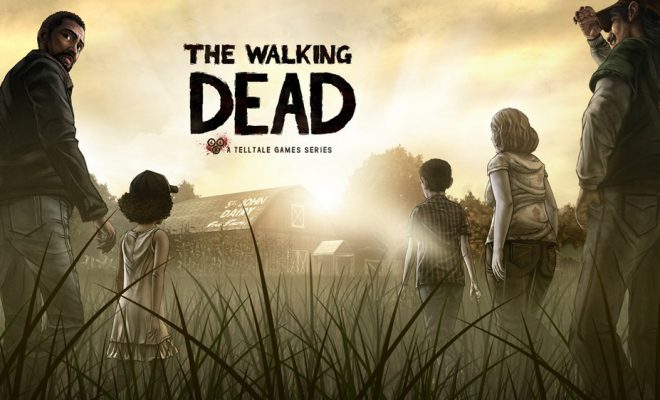
The Walking Dead game series revolutionized storytelling in video games, particularly in the adventure genre. From its first season in 2012 to its final installment in 2018, the series consistently pushed the boundaries of narrative-driven gameplay.
At the heart of The Walking Dead’s storytelling prowess is its emphasis on player choice. Unlike many games that offer binary “good” or “evil” options, The Walking Dead presents players with morally ambiguous decisions that often have no clear right answer. These choices range from deciding who to save in life-or-death situations to determining how to ration limited supplies among survivors. The game’s “choice and consequence” system ensures that players’ decisions have far-reaching impacts, shaping both the immediate narrative and future events.
Another key aspect of the game’s storytelling is its episodic format. Borrowing from television series structures, each season of The Walking Dead is divided into episodes, creating natural cliffhangers and maintaining player engagement over time. This format allows for deeper character development and more nuanced storytelling, as players have time to reflect on their choices between episodes.
The series also excels in creating memorable, complex characters. From the protagonist Lee Everett in Season One to the young Clementine, who grows from a scared child to a hardened survivor over the course of the series, the characters in The Walking Dead are multifaceted and relatable. Their personal growth and the relationships they form (or break) drive the narrative forward, often overshadowing the zombie threat itself.
Moreover, The Walking Dead game series isn’t afraid to tackle difficult themes. It explores concepts like the loss of innocence, the nature of humanity in extreme circumstances, and the weight of leadership. The game doesn’t shy away from depicting the harsh realities of a post-apocalyptic world, including death, betrayal, and moral compromise.
As the series progressed, it continued to refine its storytelling techniques. Later seasons introduced more dynamic action sequences and expanded dialogue options, allowing for even greater player agency. The final season, which focused on a teenage Clementine as the protagonist, brought the series full circle, showcasing how far both the characters and the storytelling had come.
The Walking Dead’s approach to storytelling has had a lasting impact on the gaming industry. It demonstrated that players are willing to engage with complex narratives and make difficult choices, paving the way for other story-driven games. Its success also highlighted the viability of episodic gaming, a model that has since been adopted by many other developers.
In conclusion, The Walking Dead game series represents a significant evolution in video game storytelling. By combining player choice, episodic structure, complex characters, and mature themes, it created a narrative experience that resonated deeply with players and influenced the broader gaming landscape.