The Development and Release of Wii Play
Introduction
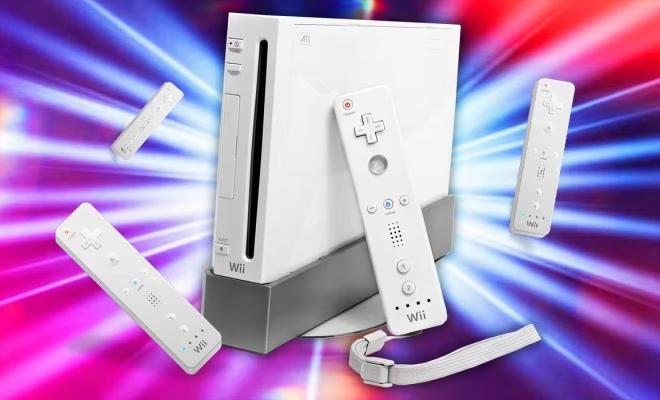
In the mid-2000s, Nintendo was on the cusp of revolutionizing the gaming industry with its innovative Wii console. Amidst this exciting period, a small but significant project was taking shape: Wii Play. This article delves into the development process and release of this mini-game collection that would become one of the best-selling video games of all time.
Conception and Development
The idea for Wii Play emerged from Nintendo’s desire to create a game that would showcase the versatility of the Wii Remote. The development team, led by Takashi Tezuka, aimed to create a collection of simple yet engaging mini-games that would appeal to both casual and hardcore gamers. The project began shortly after the completion of Wii Sports, with many team members transitioning directly from one project to the other.
Nintendo’s philosophy of “gaming for everyone” heavily influenced the development of Wii Play. The team focused on creating games that were easy to understand but difficult to master, ensuring that players of all skill levels could enjoy the experience. This approach aligned perfectly with the Wii’s broader strategy of expanding the gaming market to include demographics traditionally overlooked by the industry.
The Mini-Games
Wii Play features nine mini-games, each designed to highlight different aspects of the Wii Remote’s functionality:
- Shooting Range
- Find Mii
- Table Tennis
- Pose Mii
- Laser Hockey
- Fishing
- Billiards
- Charge!
- Tanks!
Each game was crafted to be simple enough for newcomers to pick up quickly while offering enough depth to keep experienced players engaged. The variety of games ensured that there was something for everyone, from action-oriented shooters to more cerebral puzzle games.
Release and Bundling Strategy
Wii Play was released in Japan on December 2, 2006, coinciding with the launch of the Wii console. It was subsequently released in other regions throughout 2007. What set Wii Play apart from many other game releases was Nintendo’s innovative bundling strategy. In most regions, the game was sold packaged with an additional Wii Remote.
This bundling approach served multiple purposes:
- It provided an incentive for consumers to purchase the game, as they were essentially getting a discounted controller with their purchase.
- It encouraged multiplayer gaming by ensuring more households had multiple controllers.
- It helped Nintendo increase the install base of Wii Remotes, which was crucial for the success of their motion-control focused console.
Reception and Sales
Upon release, Wii Play received mixed reviews from critics. Many praised its accessibility and the value provided by the bundled Wii Remote, while others criticized the simplicity of the mini-games and lack of depth compared to Wii Sports. However, the game’s reception among consumers told a different story.
Wii Play became a massive commercial success, selling over 28 million copies worldwide. This made it one of the best-selling video games of all time and the best-selling game on the Wii that wasn’t bundled with the console itself. The game’s success was largely attributed to its bundling strategy and its appeal to casual gamers.
Conclusion
The development and release of Wii Play marked a significant moment in Nintendo’s history. It demonstrated the company’s commitment to expanding the gaming market and showcased the innovative potential of the Wii Remote. While it may not have been the most critically acclaimed title, its commercial success and impact on casual gaming cannot be understated. Wii Play helped pave the way for a new era of accessible, family-friendly gaming that would define much of the Wii’s lifespan.