Looksmaxxing’s Dangers: Social Media’s Grip on Young Boys’ Mental Health
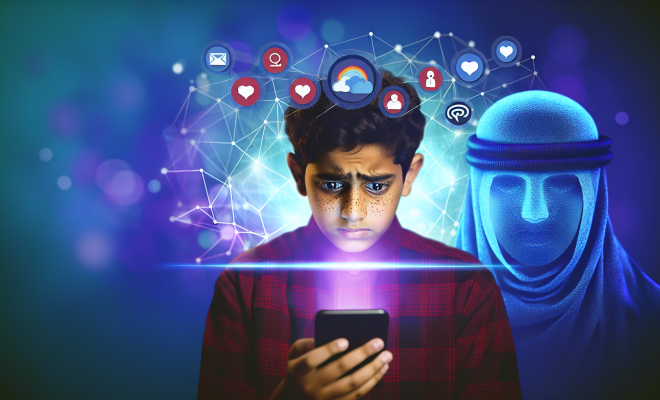
In today’s digital age, the influence of social media on young minds has become a topic of critical concern, particularly concerning body image and self-esteem. One such trend gaining traction is ‘looksmaxxing,’ which emphasizes maximizing physical appearance. This phenomenon is not only affecting young men in their teens but has reached alarming levels where boys as young as 10 are becoming part of this narrative. As a result, a growing body of evidence suggests that this trend is leading to severe mental health impacts, including anxiety, eating disorders, and a distorted sense of self-worth.
Understanding Looksmaxxing
Looksmaxxing is a term that originated in online communities and forums, where individuals discuss various methods to enhance their physical appearance. The focus is on achieving an idealized version of beauty often influenced by societal standards and media portrayals. For many young boys, the pressure to conform to these ideals can lead to a relentless pursuit of perfection, fostering a cycle of dissatisfaction with their natural appearance.
The Role of Social Media
Platforms like Instagram, TikTok, and YouTube play a significant role in propagating the looksmaxxing trend. With the constant flow of curated images and videos presenting unattainable beauty standards, young boys are exposed to a barrage of idealized images. These platforms not only promote physical appearance but often glorify superficial qualities, encouraging users to focus on looks over personal attributes such as kindness, intelligence, or creativity.
The Psychological Impact
The psychological repercussions of looksmaxxing are profound. Experts note that the pressure to achieve an ideal appearance can lead to:
- Eating Disorders: Many young boys find themselves engaging in unhealthy dieting practices to lose weight or gain muscle. This can lead to conditions such as anorexia, bulimia, or binge eating.
- Body Image Issues: Constant comparison with others can result in a negative body image, where boys feel dissatisfied with their own bodies.
- Anxiety and Depression: The fear of not measuring up to societal standards can trigger anxiety and feelings of inadequacy, leading to depression.
- Diminished Self-Esteem: When appearance becomes the primary measure of worth, self-esteem can plummet, making it challenging for young boys to develop a healthy self-image.
Statistics and Trends
Recent studies have highlighted the alarming rise in mental health issues among adolescents linked to social media use. According to mental health professionals, there has been a marked increase in cases of anxiety and depression among young boys, with many attributing their struggles to the pressures of looksmaxxing and similar trends. For instance, research indicates that:
- Over 30% of young boys report feeling unhappy or dissatisfied with their appearance.
- One in five adolescents has experienced symptoms of an eating disorder, with boys increasingly falling into this category.
- Social media usage among boys aged 10-15 has increased by over 60% in recent years, correlating with rising mental health concerns.
Parental Awareness and Intervention
Given the profound effects of looksmaxxing, it is crucial for parents and guardians to be vigilant. Understanding the trend and its implications can help adults guide their children through these challenging messages. Here are some strategies for parents to consider:
- Open Communication: Encourage discussions about body image and self-esteem. Ask your child about their thoughts on appearance and the influences they encounter online.
- Educate on Media Literacy: Teach children to critically analyze the content they consume. Help them understand that images on social media are often filtered and edited, portraying unrealistic standards.
- Promote Healthy Habits: Encourage a balanced approach to health and wellness that focuses on physical activity and nutrition without emphasizing weight or appearance.
- Be a Role Model: Demonstrate healthy attitudes towards body image and self-worth. Share your own experiences with body image and emphasize the importance of self-acceptance.
Professional Guidance and Support
In cases where the impact of looksmaxxing is severe, seeking professional help is essential. Mental health practitioners can provide the necessary support and intervention to help boys navigate their feelings about appearance and self-worth. Therapies such as cognitive-behavioral therapy (CBT) have shown effectiveness in treating body image issues and related disorders.
Community Resources
Many communities offer resources, including counseling services, support groups, and workshops focused on body positivity and mental health. Connecting with these resources can provide additional support for both parents and children facing the pressures of looksmaxxing.
Conclusion
The looksmaxxing trend is a complex issue that affects young boys at a critical stage in their development. With the overwhelming influence of social media and prevailing beauty standards, it is essential to recognize the risks associated with this trend. By fostering open conversations, promoting healthy habits, and seeking professional support when needed, we can help mitigate the negative impacts of looksmaxxing and support young boys in developing a positive self-image.
As we navigate this challenging landscape, it is clear that addressing the mental health impacts associated with looksmaxxing will require a collective effort from parents, professionals, and society as a whole. With awareness and proactive measures, we can work towards a future where young boys feel valued for who they are, not just how they look.