Climate Shift 2026: La Niña Ends, El Niño Looms
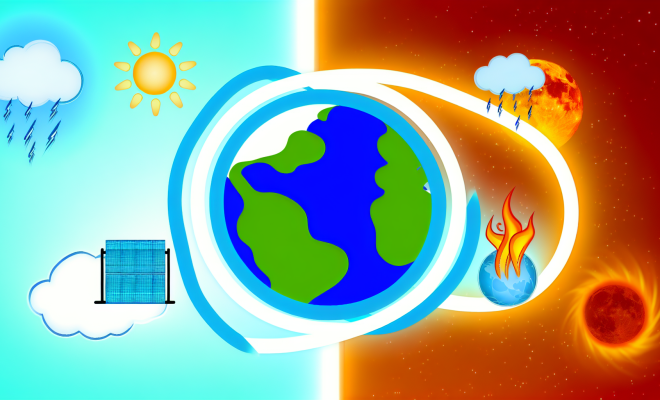
The world is on the brink of a significant climatic shift as the extended weak La Niña event of 2025-2026 draws to a close. Recent updates from leading meteorological agencies for March and April 2026 indicate that the tropical Pacific is rapidly transitioning towards an ENSO-neutral (El Niño-Southern Oscillation) state. This transition carries profound implications for global weather patterns, agriculture, and ecosystems.
Understanding La Niña and El Niño
To comprehend the upcoming climatic changes, it’s essential to understand the phenomena of La Niña and El Niño. Both are phases of the El Niño-Southern Oscillation (ENSO), which significantly influences weather patterns across the globe.
- La Niña: Characterized by cooler-than-average sea surface temperatures in the central and eastern tropical Pacific, La Niña typically leads to wetter conditions in some regions, such as Southeast Asia and Australia, while causing drier conditions in others, like the southern United States.
- El Niño: In contrast, El Niño is marked by warmer sea surface temperatures in the same regions. This phenomenon is often associated with increased rainfall across the southern United States and drier conditions in the western Pacific.
The Fading of La Niña
The La Niña event that has persisted through 2025-2026 has been classified as weak. Meteorological data now point to its official end, with a notable shift towards an ENSO-neutral state. The National Oceanic and Atmospheric Administration (NOAA) and the International Research Institute for Climate and Society (IRI) both predict a 60% likelihood of this neutral state continuing through May 2026.
This transition is crucial as it sets the stage for the potential emergence of El Niño, which is forecasted to develop with increasing probability as we approach the Northern Hemisphere summer. The climate models indicate a growing chance—estimated at 60%—that we will see El Niño conditions take shape.
Forecasting El Niño: What Lies Ahead?
As we move closer to summer, predictions regarding the intensity of the forthcoming El Niño have garnered significant attention. The IRI models suggest that sea surface temperature anomalies could reach as high as +2.0°C by the end of the year. Such a rise in temperature would signal a substantial El Niño event, with significant implications for global weather.
NOAA has also provided forecasts indicating a 25% probability of experiencing a ‘very strong’ El Niño event. Historically, such events have occurred only three times since 1950, making them a rare and impactful phenomenon.
The Significance of a ‘Super El Niño’
While media headlines may sensationalize the term ‘super El Niño,’ it is important to clarify what qualifies as such. For an El Niño event to be officially categorized as ‘very strong,’ it must sustain a three-month average temperature anomaly for at least three consecutive overlapping seasons. This rigorous standard helps distinguish between varying intensities of the El Niño phenomenon.
Historical Context and Impacts
Understanding the potential impacts of a strong El Niño requires a look at historical precedents. The last significant El Niño events, particularly those categorized as very strong, have had widespread effects on weather patterns, agriculture, and even economies around the world.
- 1997-1998 El Niño: One of the strongest on record, it caused widespread flooding in California, droughts in Australia, and significant disruption to global weather patterns.
- 2015-2016 El Niño: This event was notable for its intensity, contributing to severe droughts and wildfires in Indonesia and heavy rainfall in the southern United States.
- Potential Repercussions: A strong El Niño can exacerbate climate-related challenges such as food security, increased frequency of extreme weather events, and shifts in marine ecosystems.
Global Weather Patterns: Anticipated Changes
The potential return of El Niño has prompted meteorologists and climate scientists to closely monitor various regions for anticipated weather changes. These shifts can have far-reaching effects, impacting everything from agriculture to disaster preparedness.
North America
In North America, forecasts suggest a likely increase in precipitation across the southern United States during the winter months due to El Niño. This could lead to a higher risk of flooding in some areas, while the Pacific Northwest might experience drier conditions.
South America
Countries along the western coast of South America, particularly Peru and Ecuador, often see significant changes during El Niño events. Increased rainfall can lead to flooding and landslides, while fishing industries may suffer due to changes in ocean temperatures.
Australia and Southeast Asia
In Australia, El Niño is typically associated with drier conditions, which can exacerbate droughts and increase the risk of wildfires. Southeast Asia may experience similar trends, affecting agriculture and water supplies.
Preparing for the Impacts of El Niño
With the potential for a strong El Niño on the horizon, preparation is key. Governments, farmers, and communities must take proactive steps to mitigate the impacts that this climatic phenomenon may bring.
Monitoring and Early Warning Systems
Effective monitoring and early warning systems are crucial for minimizing the impacts of El Niño. Meteorological agencies are ramping up efforts to provide timely updates and forecasts to help communities prepare.
Agricultural Adjustments
Farmers are encouraged to adapt their practices based on seasonal forecasts. This may include altering planting schedules, selecting drought-resistant crop varieties, and implementing water conservation measures.
Disaster Preparedness
Communities in regions likely to be affected by flooding or drought need to develop disaster preparedness plans. This includes establishing evacuation routes, emergency supplies, and community awareness programs.
Conclusion: The Road Ahead
The transition from La Niña to El Niño marks a pivotal moment in the global climate landscape. As we brace for potential shifts in weather patterns, it is crucial to stay informed and prepared for the impacts that may arise. While forecasts suggest a growing likelihood of a strong El Niño event, the scientific community emphasizes the importance of rigorous criteria in categorizing its intensity.
As we move into the summer of 2026, the world will be watching closely, ready to adapt to the climatic changes that lie ahead. Staying informed and prepared will be essential in navigating the challenges posed by this climatic rollercoaster.